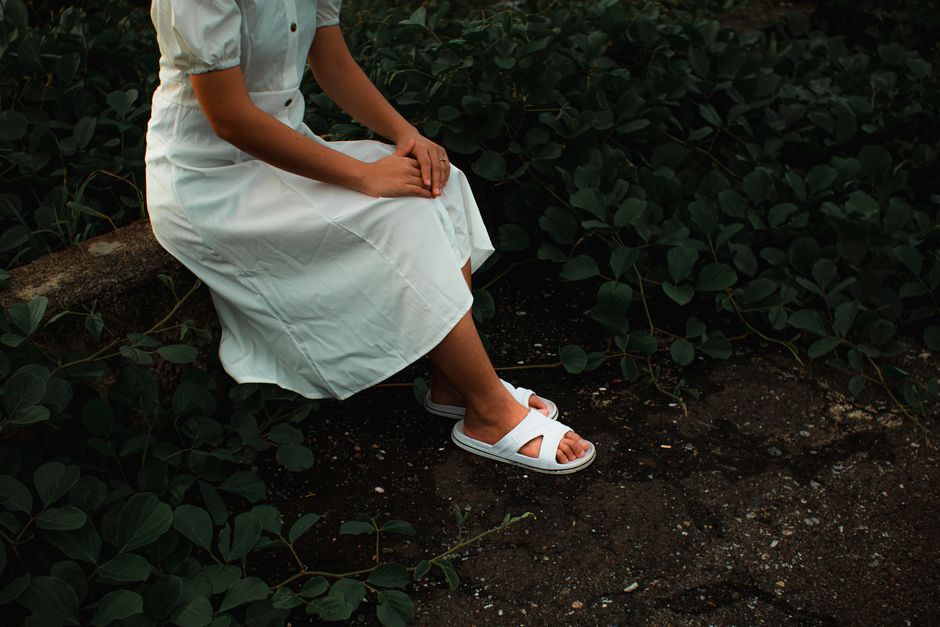
You can spot them in every airport terminal: women in beautiful sandals, wincing with every step. The problem isn’t their feet — it’s the shoes. Most sandals sold as “stylish” use flat, thin soles with zero arch support. After three hours of museum queues and cobblestone streets, your feet feel like they’ve been through a meat grinder. The good news: you don’t have to choose between looking put-together and walking pain-free. These eight sandals prove it.
What Makes a Walking Sandal Actually Comfortable for All-Day Wear?
Most people assume cushioning is the only thing that matters. It’s not. A sandal that feels soft in the store can wreck your feet by noon. Here’s what actually determines whether a sandal works for 8+ hours of walking.
Arch Support Is Non-Negotiable
Flat sandals force your foot to pronate (roll inward) with every step. Over a full day, that micro-movement strains your plantar fascia, Achilles tendon, and lower back. Look for sandals with a molded footbed that lifts the arch — not a flat slab with foam glued on top. Birkenstock’s cork footbed and Chaco’s LUVSEAT platform are two industry benchmarks. They contour to your foot shape over time.
Outsole Grip Matters More Than You Think
Wet pavement, gravel paths, polished hotel floors. A sandal with a smooth rubber sole is a liability. The best walking sandals use a lugged or textured outsole with at least 3mm of tread depth. Teva’s Spider Rubber and Keen’s non-marking rubber outsoles grip well on slick surfaces without looking like hiking boots.
Adjustable Straps Prevent Blisters
A sandal that fits perfectly at 9 AM will be too loose by 2 PM (feet swell during the day). Straps you can tighten — velcro, buckles, or laces — let you adjust as your feet change. Fixed straps that rely on elastic are a gamble. If they’re too tight in the morning, you’re stuck. If they’re too loose in the afternoon, you’ll slide and blister.
The Weight Penalty
Every extra ounce on your foot multiplies fatigue over distance. A single sandal weighing over 12 ounces (340g) will noticeably drag you down after 5 miles. The lightest options here — like the Teva Tirra — come in at 8.5 ounces per sandal. That’s worth paying attention to.
Three Mistakes That Ruin Walking Sandal Purchases (and How to Avoid Them)
I made all three of these mistakes before I learned. You don’t have to.
Mistake 1: Buying the wrong size for your foot width. Sandals that are too narrow cause pinching and blisters between the toes. Too wide, and your foot slides forward, jamming your toes into the front edge. Measure your foot width at a shoe store before ordering. Most brands offer wide-width versions — Birkenstock has regular and narrow, Chaco offers standard and wide on several models.
Mistake 2: Ignoring the break-in period. Some sandals — especially those with cork or molded footbeds — need 20-30 hours of wear before they conform to your foot. If you buy a pair the day before a trip and wear them for 10 hours straight, you will get blisters. Wear them around the house for a week first. Naot sandals are notorious for a stiff break-in that rewards patience.
Mistake 3: Choosing style over strap placement. A sandal that looks gorgeous but has a strap rubbing directly over a bunion or a metatarsal head will cause pain within 20 minutes. Try the sandal on and walk for 5 minutes in the store. Feel for any spot that presses or rubs. If it bothers you in the store, it will be unbearable on day three of a trip.
8 Walking Sandals That Balance Comfort and Style
These are not hiking sandals. They’re designed for city streets, beach boardwalks, and casual dinners — with enough support to keep you going all day. Prices are approximate and vary by retailer.
| Sandal | Price Range | Weight (per sandal) | Best For | Arch Support |
|---|---|---|---|---|
| Teva Tirra | $60-$75 | 8.5 oz | Warm-weather city walking | Medium |
| Chaco Z/Cloud | $100-$130 | 10.2 oz | All-day walking, wet conditions | High |
| Birkenstock Arizona | $100-$140 | 9.8 oz | Casual wear, wide feet | High |
| Ecco Yucatan | $90-$120 | 11.5 oz | Wet/dry conditions, water activities | Medium |
| Vionic Tide II | $65-$85 | 9.0 oz | Flat feet, plantar fasciitis | Very High |
| Keen Rose | $85-$110 | 10.5 oz | Rough terrain, light hiking | Medium |
| Naot Kayla | $130-$160 | 11.0 oz | Dressier occasions, narrow feet | High |
| Clarks Breeze Sea | $55-$75 | 9.5 oz | Budget-friendly, casual | Low-Medium |
Teva Tirra — The Lightweight All-Rounder
The Tirra is Teva’s most popular women’s sandal for a reason. At 8.5 ounces, it’s the lightest option here. The Mush midsole provides good shock absorption without feeling squishy. Three adjustable velcro straps let you dial in the fit. The outsole has enough texture for light trails but is smooth enough for city sidewalks. Best for travelers who want one sandal for both walking and casual evenings. Downside: the arch support is moderate — fine for normal feet, not enough for flat feet or plantar fasciitis.
Chaco Z/Cloud — The Heavy-Duty Walker
The Z/Cloud uses Chaco’s LUVSEAT platform, which has a pronounced arch that many podiatrists recommend. The outsole has deep 3.5mm lugs that grip wet tile and loose gravel equally well. It’s heavier than the Teva at 10.2 ounces, but the trade-off is stability. Best for travelers who plan to walk 8+ miles daily or who have known foot issues. Downside: the toe loop can feel restrictive if you prefer open-toe sandals. Also, the straps are not adjustable in length — you choose your size based on foot length, which means narrow-footed women may find them loose.
Birkenstock Arizona — The Timeless Classic
The Arizona needs no introduction. The cork-latex footbed molds to your foot over time, creating a custom fit that nothing else matches. It comes in two widths (regular and narrow). The single-buckle strap is simple and adjustable. Best for travelers who prioritize long-term comfort over weight. Downside: the cork footbed is not waterproof — avoid wearing it in heavy rain or on beaches. Also, the break-in period is real. Plan for it.
Ecco Yucatan — The Water-Friendly Option
Ecco makes the Yucatan for wet conditions. The upper is a single piece of soft leather with no seams, so it won’t rub. The outsole has a deep tread pattern that works on boat decks and wet streets. The molded footbed has decent arch support. Best for travelers doing water activities or visiting rainy destinations. Downside: the leather upper is stiff when new and takes about 10 hours to soften. Also, it runs slightly large — size down half a size.
Vionic Tide II — The Podiatrist-Approved Choice
Vionic builds its sandals around orthotic-grade arch support. The Tide II has a deep heel cup that cradles the foot and prevents over-pronation. The EVA midsole is firm, not soft. Best for women with flat feet, plantar fasciitis, or heel pain. Downside: the styling is utilitarian — it looks more like a recovery sandal than a fashion piece. Also, the arch support can feel aggressive if you’re not used to it. Start with 2-hour wear sessions.
Keen Rose — The Trail-Ready Sandal
Keen’s Rose sandal has a closed toe and a rugged outsole with 4mm lugs. It’s the best choice here for uneven terrain. The washable polyester upper dries quickly after getting wet. The metatomical footbed has decent arch support and a pronounced toe bump for protection. Best for travelers who plan to do light hiking or walk on cobblestone streets. Downside: it’s bulky — 10.5 ounces — and the closed toe can feel warm in extreme heat. Also, the toe bumper can catch on stairs if you’re not careful.
Naot Kayla — The Dressy Comfort Sandal
Naot’s Kayla is one of the few sandals that looks elegant enough for a nice dinner but has genuine arch support. The cork and latex footbed is wrapped in suede and molds to your foot. The leather upper has an adjustable buckle. Best for travelers who need one sandal for both walking and dressier occasions. Downside: the price is high ($130-$160), and the break-in period is longer than Birkenstock — expect 30+ hours. Also, the footbed runs narrow, so women with wide feet should look elsewhere.
Clarks Breeze Sea — The Budget-Friendly Starter
The Breeze Sea is Clarks’ entry-level walking sandal. It has a cushioned Ortholite footbed and a lightweight EVA outsole. The straps are synthetic and adjustable. Best for travelers on a tight budget or who only need a sandal for short walking days (under 4 miles). Downside: the arch support is minimal, and the outsole wears down faster than rubber alternatives. It’s comfortable for the price, but not a long-term investment.
When Not to Buy a Walking Sandal (and What to Buy Instead)
Walking sandals are not universal. There are situations where they’re the wrong choice, and buying one anyway will ruin your trip.
Scenario 1: You’re hiking technical trails with steep grades and loose rocks. Sandals expose your toes to stubs and your ankles to twists. Even the most rugged walking sandal can’t protect you like a low-top hiking shoe does. Buy a pair of Merrell Moab 3 hiking shoes ($120) or Salomon X Ultra 4 GTX ($160) instead. They weigh about 12 ounces each and give you full ankle support and toe protection.
Scenario 2: Your trip involves cold weather or extended rain. Wet sandals plus cold feet equals misery. The evaporative cooling effect drops your skin temperature by 10-15°F. If temperatures are below 60°F, or if rain is forecast for more than one day, choose a waterproof walking shoe like the Ecco Biom 2.1 ($170) or Vionic Walker ($130).
Scenario 3: You have severe foot deformities (bunions, hammertoes, Charcot foot). Most walking sandals have a single strap across the midfoot that can’t accommodate significant width changes. Custom orthotic sandals or extra-wide walking shoes are safer. Look at Orthofeet’s extra-wide sandals ($120) or Propet’s TravelActiv sandals ($90), which offer multiple width options and deeper toe boxes.
Scenario 4: You’re traveling to a destination with dress codes (fine dining, religious sites, formal events). No walking sandal passes as formal footwear. Pack a separate pair of dressy sandals or flats for those occasions. The Naturalizer Morrison ($80) or Clarks Arla Glison ($70) offer better arch support than most dress sandals while still looking appropriate.
How to Break In Walking Sandals Before Your Trip
This is the step most people skip. Then they blame the sandal when their feet hurt. The sandal isn’t the problem — your impatience is.
Week 1 (Days 1-3): Wear the sandals around the house for 30-60 minutes. No walking outside. Your feet need time to adjust to the new arch support. If you feel hotspots or rubbing, mark those spots with a piece of tape and apply a thin layer of moleskin inside the sandal.
Week 1 (Days 4-7): Wear them for short errands — grocery store, coffee run, 15-minute walks. Pay attention to where your foot slides or where straps dig in. Adjust the straps. If the sandal has a cork footbed, wear them with thin socks to reduce friction during the break-in.
Week 2: Increase to 2-3 hour wear sessions. Walk on different surfaces — pavement, grass, carpet. If you still feel discomfort, apply heat to the stiff areas with a hair dryer on low for 30 seconds, then wear the sandals immediately while the material is warm and pliable.
Week 3: Do a test walk of 4-5 miles in a single day. If your feet feel fine, the sandals are ready for travel. If you still have issues, consider whether the sandal is the right shape for your foot. Some foot types simply don’t work with certain brands.
Walking sandals have improved dramatically in the last decade. Brands like Teva, Chaco, and Vionic now offer genuine biomechanical support without making you look like you’re about to summit a mountain. The trick is matching the sandal to your specific foot shape and your specific itinerary. One pair won’t work for everyone. But one pair can work perfectly for you.