
The evolution of denim from 19th-century workwear to the cornerstone of the modern masculine wardrobe is a testament to the fabric’s unique ability to age alongside its owner. Unlike a suit that degrades with wear or a t-shirt that loses its shape after a dozen cycles in the wash, a high-quality pair of jeans is one of the few garments that actually improves with time. However, navigating the market in 2024 requires a discerning eye for technical specifications. The most versatile pair of jeans for the average man is a mid-weight, 12oz to 14oz slim-straight fit in a dark indigo wash. While trends fluctuate toward extreme baggy or skin-tight silhouettes, the data on garment longevity and styling versatility consistently points toward the middle ground. To find the best jeans for men, one must look past the brand name and examine the specific technical specifications: fabric weight, weave density, and hardware composition.
The Engineering of Premium Denim: Materials and Construction
Quality in denim is not a subjective metric; it is an engineering standard. When evaluating a pair of jeans, the first technical detail to inspect is the fabric weight, measured in ounces per square yard. Most mass-market jeans fall into the 8oz to 11oz range. These are lightweight, comfortable from the first wear, but prone to premature failure in high-friction areas like the inner thighs. High-quality denim typically starts at 12oz and can go as high as 25oz. Heavier fabric uses thicker yarns, which naturally offer more resistance to tearing and general wear and tear.
Beyond weight, the method of spinning the yarn dictates the texture and durability. Ring-spun cotton is superior to open-end yarn. In ring-spinning, the fibers are continuously twisted and thinned, creating a stronger, smoother yarn that develops more interesting character as the indigo dyes fade. You should also look for 3×1 right-hand twill construction, which is the industry standard for durability. This refers to the number of warp threads (the indigo ones) crossing over the weft threads (the white ones). A 3×1 weave is denser than the 2×1 weave often found in cheaper, lighter denim.
Hardware is the final frontier of quality. Genuine copper rivets are preferred over aluminum or plastic-core buttons. High-end manufacturers like Iron Heart or The Flat Head often use hidden rivets on the back pockets to provide structural reinforcement without scratching furniture. Look at the stitching: a high stitch-per-inch (SPI) count indicates a slower, more precise manufacturing process. Chain-stitching on the hem is a hallmark of quality, allowing the denim to contract and expand naturally, creating the desirable “roping” effect after washing. Furthermore, premium brands often employ “sanforization,” a process that pre-shrinks the fabric to ensure that a size 32 remains a size 32 after the first wash.
Key Technical Specifications to Check
- Fabric Weight: 12oz–16oz is the sweet spot for year-round durability and comfort.
- Material: 100% long-staple cotton (e.g., Supima or Zimbabwe cotton) for strength and softness.
- Weave: Selvedge (finished edge) typically indicates a slower, higher-quality loom process on vintage shuttle looms.
- Hardware: Solid brass or copper buttons and rivets; avoid “branded” plastic caps.
- Thread: Poly-core cotton thread is the industry secret for combining the look of cotton with the strength of polyester.
The Raw Denim Journey: Selvedge and Investment Pieces
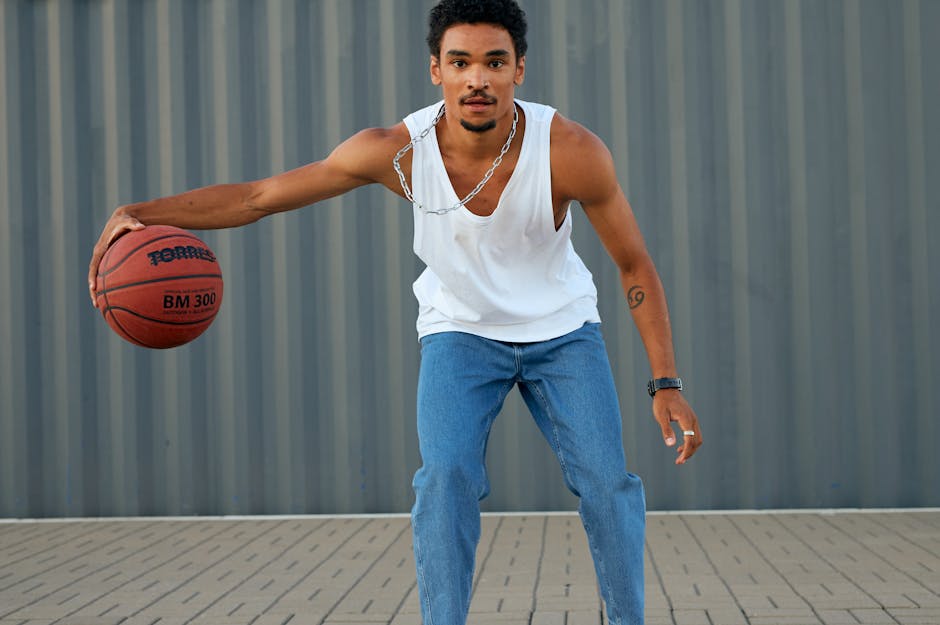
Raw denim—denim that has not been pre-washed or distressed—is the gold standard for enthusiasts who want a pair of jeans that molds to their body. The primary advantage of raw denim is the personalization of the fade patterns, which are dictated by the wearer’s specific movements. However, this requires a “break-in” period that can be uncomfortable, lasting anywhere from two weeks to two months. Selvedge denim, woven on traditional shuttle looms, is often associated with raw denim. The finished edge (the “self-edge”) prevents the fabric from unraveling and serves as a visual indicator of a more deliberate manufacturing process.
For those seeking the pinnacle of durability, the Iron Heart 634S (21oz Selvedge) is a dominant choice. Priced at approximately $350, these are an investment in longevity. The fabric is treated to be surprisingly soft despite its weight, but it remains nearly indestructible.
Pros: Extreme durability, beautiful high-contrast fades, and heavy-duty hardware.
Cons: High price point, very hot in summer months, and a significant break-in period.
On the other end of the spectrum, the Uniqlo Stretch Selvedge offers an entry point at roughly $50. It uses a 12oz fabric with 2% spandex.
Pros: Immediate comfort, low cost, and a clean aesthetic.
Cons: Thinner fabric prone to “blowouts” in the crotch within 18 months, and less character in the aging process.
Mid-tier options like Rogue Territory (RGT) Stanton ($240) or Naked & Famous Weird Guy ($150-$180) provide a balance. Naked & Famous is particularly known for experimenting with fabric compositions, offering everything from recycled ocean plastic blends to 32oz “heavyweight champion” denim. These brands provide a significant step up from mall brands without hitting the $400+ price tag of high-end Japanese artisan labels like Pure Blue Japan or Momotaro.
| Model | Approx. Price | Weight | Key Pro | Key Con |
|---|---|---|---|---|
| Iron Heart 634S | $350 | 21oz | Extreme durability | Heavy/Expensive |
| Uniqlo Selvedge | $50 | 12oz | Affordable entry | Lower longevity |
| Rogue Territory Stanton | $240 | 15oz | Exceptional fit | Stiff break-in |
| Naked & Famous Weird Guy | $165 | 14.5oz | Unique fabrics | Shallow pockets |
| Levi’s 501 STF | $80 | 12.5oz | Classic silhouette | Inconsistent sizing |
Performance and Stretch: The Modern Utility Revolution
Not every man wants a rigid, cardboard-like fabric that takes six months to feel comfortable. This is where technical stretch denim excels. Modern stretch denim has evolved beyond the thin, “jeggings” style fabrics of the past. The best jeans in this category use a small percentage of elastane or Lycra (usually 1-2%) wrapped in high-quality cotton. This allows the denim to maintain the appearance of traditional rugged twill while providing the mobility required for active commutes or office environments.
The Levi’s 511 Slim Fit with Warp Stretch is a staple in this category. Retailing between $70 and $90, these jeans are designed to stretch vertically as well as horizontally, which prevents the “bagging out” at the knees that plagues cheaper stretch fabrics.
Pros: Accessibility, wide range of washes, and reliable slim silhouette.
Cons: Synthetic fibers can trap heat, and they are more susceptible to damage from high-heat drying.
Another high-performer is Duer Performance Denim ($130). Duer integrates a signature gusset in the crotch, which virtually eliminates the risk of blowouts—a common failure point in slim-fitting jeans. Their fabric blend includes Coolmax fibers, making them ideal for men who bike or walk frequently.
Pros: Superior range of motion, moisture-wicking properties, and reinforced seams.
Cons: Doesn’t “fade” like traditional denim; looks more like a technical chino over time.
When selecting stretch denim, the “recovery” of the fabric is the most important metric. Cheap stretch jeans will lose their shape after four hours of wear, leaving you with saggy pockets and a loose waist. Premium stretch denim, such as that from AG Jeans or Mott & Bow, uses dual-core yarn technology to ensure the fabric snaps back to its original shape. Mott & Bow’s Dynamic Stretch ($120) is particularly noted for its ability to maintain a sharp silhouette through multiple wears between washes.
A common mistake when buying stretch denim is sizing up for comfort. Because the fabric contains elastane, it will naturally expand. Buy them snug; if they are loose in the dressing room, they will be falling off by noon.
Architectural Fits: Rise, Taper, and Body Proportions
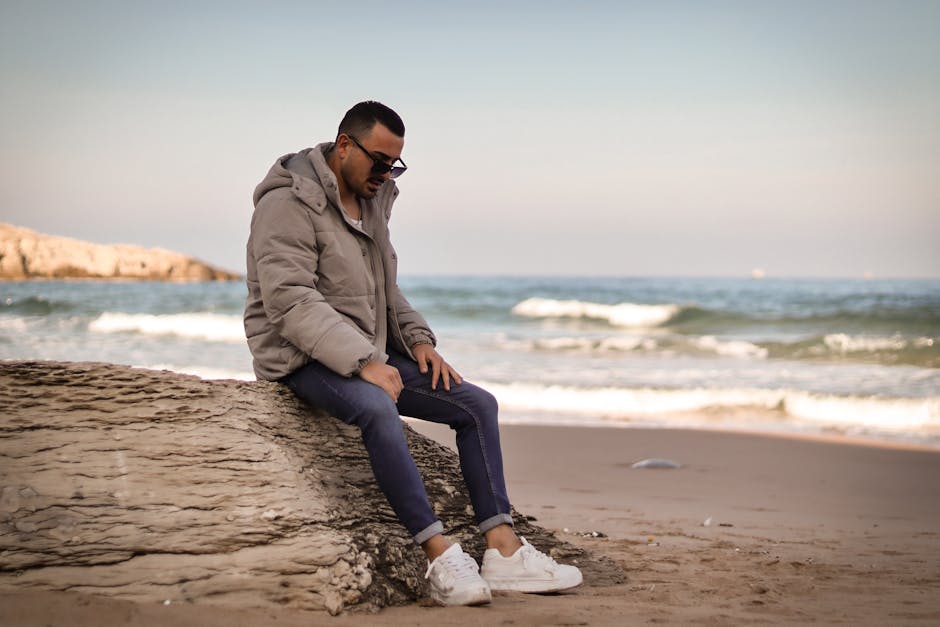
The “best” fit is determined by your body proportions, not current fashion trends. A man with a “cyclist build” (larger thighs and glutes) will find slim-fit jeans restrictive and likely to fail at the seams, whereas a very thin man might look swallowed by a relaxed-fit Jean. One often overlooked aspect of fit is the “rise”—the distance from the crotch seam to the top of the waistband. A low rise can be uncomfortable for taller men, while a high rise offers a more vintage, structured look that elongates the legs.
The industry-standard Straight Fit, exemplified by the Levi’s 501, features a consistent width from the knee to the ankle. This is the safest choice for most body types and offers the most traditional masculine silhouette. The 501 Original ($80) remains a benchmark because of its mid-rise, which sits comfortably at the natural waist. For those with larger builds, the Athletic Taper fit (like the Levi’s 541 or Bonobos Athletic Fit) provides extra room in the seat and thigh while narrowing at the ankle to maintain a modern look.
The Slim-Straight Fit is the modern update. It offers a slightly tapered leg and a narrower thigh without being tight. This fit is ideal for the office, as it pairs well with both boots and dress shoes. The OrSlow 105 Standard Fit ($280) is a premium Japanese take on this silhouette, offering a slightly more nuanced taper that flatters a variety of heights. For those who prefer more room, the Relaxed Fit has seen a resurgence. Brands like Carhartt and Dickies offer heavy-duty relaxed denim for under $60. The pro is maximum comfort and airflow; the con is that they can look sloppy if not paired with structured upper-body garments like a chore coat or a heavy flannel.
Fit Comparison Guide
- Straight Fit: Best for average to muscular builds. Leg opening: 16–18 inches. Pairs well with boots.
- Slim Fit: Best for lean builds. Leg opening: 14–15 inches. Ideal for sneakers and loafers.
- Athletic Taper: Best for large thighs and narrow ankles. Roomy seat with a sharp taper. The “gym-goer’s” choice.
- Relaxed Fit: Best for comfort or work-heavy tasks. Leg opening: 18+ inches. Requires bulkier footwear to balance the silhouette.
The Science of Denim Maintenance and Longevity

The longevity of your jeans is determined as much by your laundry habits as by the initial purchase quality. The primary enemy of denim is the mechanical agitation and high heat of a washing machine and dryer. Heat breaks down the elastane in stretch jeans and causes excessive indigo loss in raw denim. To preserve the color and structural integrity, jeans should be washed as infrequently as possible. For most users, this means once every 10 to 20 wears, unless they are visibly soiled or develop an odor.
When it is time to wash, the process should be deliberate. Turn the jeans inside out to protect the surface fibers from abrasion. Use cold water and a mild, bleach-free detergent. Avoid fabric softeners, as they coat the fibers and can actually weaken the weave over time. For raw denim enthusiasts, a “soak” in a bathtub with a small amount of wool-safe detergent is often preferred over a machine wash. This minimizes agitation and preserves the high-contrast fade patterns that many buyers pay a premium for. There is a common myth that putting jeans in the freezer kills bacteria; while it may temporarily stun them, it does not clean the fabric or remove oils. A gentle wash is always superior to the freezer method.
Drying is where most people ruin their denim. You should never put high-quality jeans in a tumble dryer. The heat will shrink the cotton fibers unevenly and “cook” any elastic components, leading to wavy seams and loss of shape. Instead, hang them to air dry or lay them flat. If the denim feels stiff after air drying—which is common with 100% cotton—simply wear them for 30 minutes, and your body heat and movement will naturally soften the fabric. If you develop a small hole, seek out a “darning” service. Darning uses a specialized sewing machine to weave new thread into the existing fabric, creating a repair that is nearly invisible and much stronger than a standard patch.
Ultimately, the best jeans for men are those that balance technical durability with a fit that complements the wearer’s daily lifestyle. Whether you opt for the indestructible nature of 21oz Japanese selvedge or the daily utility of a performance stretch blend, prioritizing fabric weight, hardware quality, and proper maintenance will ensure your purchase remains a staple in your wardrobe for years rather than months. Investing in one $200 pair of jeans that lasts five years is not only more stylish but also more economically and environmentally sound than replacing a $40 pair every six months.