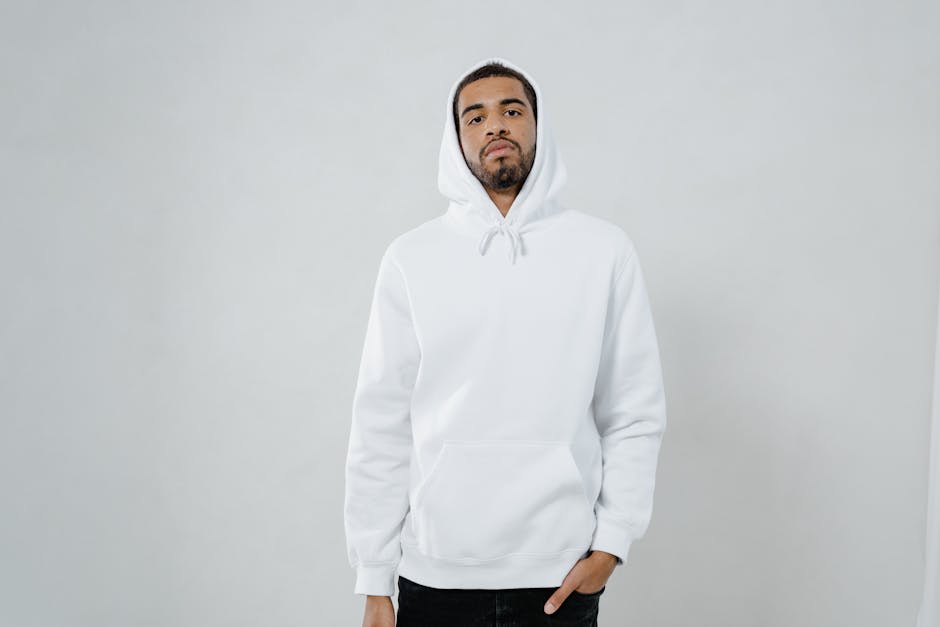

You’ve been there. You buy a new hoodie, it feels great for a week. Then the pilling starts. The seams twist. The color fades. After three washes, it looks like something you pulled out of a lost-and-found bin. You’re shelling out $40, $60, sometimes even $80 for something that barely outlasts a cheap t-shirt. It’s a waste. Most people are stuck in this cycle, buying what’s trendy or convenient, only to be disappointed. They then hop on Reddit, searching for answers, only to drown in a sea of conflicting opinions and outdated threads.
Forget the influencer hype and the glossy brand websites. When it comes to real product quality, the internet’s collective hive mind on Reddit cuts through the noise. People there don’t hold back. They name names. They show receipts. They’ve tested these hoodies in real life, through countless washes and wears. This isn’t about fashion trends. This is about durability, construction, and value. You want a hoodie that lasts years, not months. You want something that holds its shape, feels substantial, and doesn’t look like a ragged dishcloth after the first wash. That’s what we’re tackling.
The Hoodie Quality Myth: What Most People Get Wrong
Most people think a hoodie is just a hoodie. Wrong. This thinking is why your wardrobe is full of sad, stretched-out fabric. The biggest misconception is that price equals quality, or that a brand name guarantees anything. Not true. Fast fashion brands, and even some supposedly premium labels, are notorious for cutting corners. They use cheaper fabrics, weaker stitching, and questionable dyes. You get what you pay for, but only if you know what you’re actually paying for.
Fabric Blends: Your First Mistake
Cotton is king for hoodies, but not all cotton is equal. Many brands use a high percentage of polyester or other synthetics to cut costs. Polyester pills relentlessly. It traps odors. It feels cheap. A good quality hoodie will be mostly 100% cotton, or a very high cotton blend (80% minimum) with something like French Terry or fleece on the inside. Avoid anything that feels too slick or too thin. That’s usually your first red flag. If it feels like a gym shirt, it’s not a hoodie for the long haul.
Stitching and Construction: Where it Fails
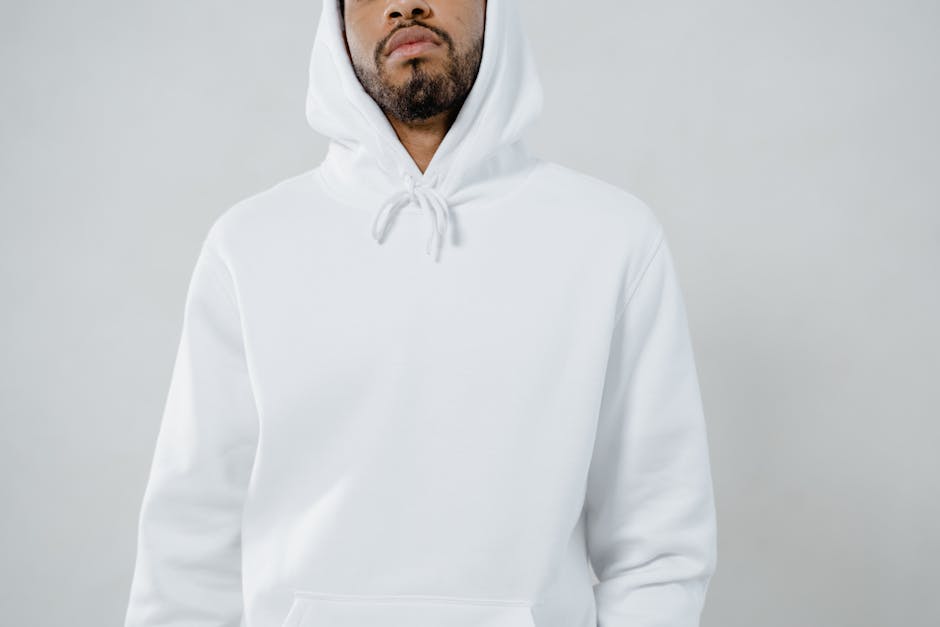
Take a hard look at the seams. Are they clean and tight? Or do they look loose, with threads already trying to escape? Double-needle stitching, especially around the cuffs, hem, and pockets, indicates durability. Single stitching is a sign of cost-cutting. Also, check the ribbing. Is it thick and substantial, or flimsy? Flimsy ribbing stretches out fast, making your cuffs and hem look like a deflated balloon. The hood itself should have some structure, not just be a thin floppy piece of fabric. A two-ply hood is always better than a single layer.
Washing Instructions: You’re Doing it Wrong
You bought a quality hoodie. Great. Now ruin it by washing it incorrectly. Most people blast their hoodies with hot water and high heat in the dryer. This shrinks cotton, breaks down fibers, and accelerates pilling. Wash hoodies inside out, on cold, with similar colors. Tumble dry on low heat, or even better, hang dry. This alone will extend the life of any hoodie, even a mediocre one, by a significant margin. Don’t be lazy; follow the care label. It’s there for a reason.
Why Reddit is the Only Review Source You Need

Forget the sponsored posts. Ignore the perfectly lit product shots. Reddit is where real people talk about real products. They don’t get paid to praise. They rip into bad quality with brutal honesty and celebrate true value. It’s the ultimate unfiltered consumer report.
The Unanimous Picks: Brands That Nail It
Look, if you want a hoodie that actually holds up, you’ve got to stop buying the same trash. The community has spoken. There are clear winners, and they aren’t always the biggest names in fashion. These brands consistently get high marks for fabric, construction, and longevity.
Mid-Range Powerhouses: Reigning Champ & American Giant
For serious quality without going full luxury, Reigning Champ and American Giant are the undisputed champions. Reigning Champ, particularly their Midweight Terry hoodies, are known for exceptional craftsmanship, soft yet durable fabric, and a fit that lasts. Expect to pay around $160-$180, but it’s an investment. American Giant’s Classic Full Zip and Pullover are legendary for their heavy-duty cotton and construction. These things are built like tanks, made in the USA, and genuinely last a decade if cared for. Their Classic Full Zip often runs around $140, sometimes less on sale. They’re thick. They’re stiff when new. They soften beautifully.
Budget-Friendly Durability: Uniqlo & Hanes Beefy-T
Not everyone can drop $150 on a hoodie. If you want solid quality that won’t break the bank, Uniqlo offers surprising value. Their basic hoodies, especially the heavy-weight cotton options, are consistently praised for good fabric and decent construction at around $40-$50. Don’t expect American Giant levels of thickness, but for the price, they’re hard to beat. Another dark horse is the Hanes Beefy-T hoodie line. Yes, Hanes. Their Beefy-T collection uses a heavier cotton, and while basic, they’re surprisingly robust for a $25-$35 price point. They’re no-frills, but they hold their shape and resist pilling better than many competitors at twice the cost.
Luxury Workhorses: Comfort Colors & Shaka Wear
Sometimes you want that broken-in, vintage feel straight out of the package. This is where blanks like Comfort Colors and Shaka Wear shine. Comfort Colors are garment-dyed, giving them a unique, faded look and incredible softness. Their heavy-weight hoodies are thick, durable, and often used by custom screen printers. Expect to find them for $30-$50 depending on the retailer. Shaka Wear offers incredibly heavy, boxy, and durable hoodies, often referred to as ‘pro-club style.’ They’re built for street wear, incredibly thick, and resistant to wear and tear. You can snag these for around $40-$60. Both are great options if you prefer an oversized, substantial fit and excellent fabric.
Hoodie Fabric Face-Off: Cotton, Blends, or Something Else?

The type of fabric dictates everything: how it feels, how it wears, how long it lasts. Don’t just pick based on color. Understand what you’re buying.
Cotton: The Gold Standard?
Pure cotton is the ideal choice for comfort and breathability. But there are types. French Terry, with its looped back, is a top pick for softness and moisture-wicking. It’s usually lighter than fleece but still substantial. Heavyweight fleece, like that used in Champion Reverse Weave, offers maximum warmth and durability. Always look for a high GSM (grams per square meter) in cotton hoodies, ideally 300 GSM or higher for a truly substantial feel. Lower GSM means thinner fabric that will pill and lose shape faster.
Synthetics: Avoid Unless…
Polyester and poly-blends are cheap. They pill. They trap sweat. Avoid them for your everyday, quality hoodie. The only exception? Performance hoodies designed for specific athletic activities, where moisture-wicking synthetic blends are actually beneficial. But for a casual, durable hoodie? Stick to cotton. A small percentage of polyester (5-10%) can sometimes help with shape retention, but beyond that, you’re sacrificing comfort and longevity.
Fleece Types: What Actually Matters
Standard fleece is warm, but can be prone to pilling if it’s low quality. French Terry is smoother on the outside and has loops on the inside, making it breathable and comfortable year-round. Reverse Weave fleece, patented by Champion, is cut against the grain to prevent shrinking and stretching. It’s a for durability, but it’s also a heavier, stiffer fabric. Understand the difference before you buy.
| Fabric Type | Pros | Cons | Typical Price Range | Best Use Case |
|---|---|---|---|---|
| 100% Cotton (French Terry) | Soft, breathable, durable, holds shape well | Can shrink if not washed correctly, can be heavy | $50 – $180+ | Everyday wear, moderate climates |
| 100% Cotton (Fleece) | Very warm, soft interior | Can be bulky, prone to pilling if low quality | $40 – $150+ | Cold weather, lounge wear |
| Cotton/Poly Blend (80/20) | Good balance of durability & comfort, less prone to shrinking | Can pill more than 100% cotton, less breathable | $30 – $100 | Workwear, budget-friendly |
| Champion Reverse Weave | Exceptional durability, resists shrinking/stretching | Heavy, can feel stiff initially, specific fit | $60 – $100 | Heavy duty, long-lasting, casual |
How to Spot a Quality Hoodie (Without Trying it On)
You’re not always going to be able to try on a hoodie before you buy it. Sometimes you’re ordering online, or just doing a quick check in a store. Here’s how to quickly assess quality.
- Check the GSM (Grams per Square Meter): This is crucial. For a genuinely substantial, durable hoodie, aim for 300 GSM or higher. Anything below 280 GSM is generally on the thinner side and won’t hold up as well. Brands usually list this in the product description. If they don’t, it’s often a sign they’re trying to hide a lower weight.
- Examine the Ribbing: The cuffs and hem ribbing should be thick, firm, and elastic. If it feels thin, flimsy, or stretched out already, move on. Quality ribbing snaps back. It prevents sagging and maintains the hoodie’s shape over time. A good cuff will be a minimum of 2 inches high.
- Stitching Inspection: Look for tight, even stitching. Double-needle stitching is a big plus, especially on critical areas like the armholes, pockets, and hood seams. Loose threads or uneven lines are immediate red flags. This is where cheaper production shows its hand.
- Hardware (Zippers, Drawstrings): If it’s a zip-up, the zipper should be robust, preferably YKK brand, and operate smoothly. Cheap plastic zippers break fast. Drawstrings should be thick, not flimsy shoelaces, and preferably have metal eyelets to prevent tearing.
- Hood Structure and Lining: A good hood will be two-ply (double-layered) and have some structure when not on your head. A single-ply hood is often thin and flimsy, offering little warmth or shape.
- Feel of the Fabric: Even without trying it on, a good quality hoodie will feel substantial and soft, not scratchy or thin. Give it a gentle stretch; it should resist and snap back, not stretch out permanently.
Your Hoodie Questions, Answered
Is Reverse Weave Worth the Hype?
Absolutely, if you want durability. Champion’s Reverse Weave hoodies are cut against the grain, which drastically reduces vertical shrinkage. They’re heavy, tough, and last forever. They also have a distinctive, often boxy fit that some people love and others find too stiff. For a workhorse hoodie, yes, it’s worth the slightly higher price and specific feel. If you prefer a lighter, softer, more flowing hoodie, it might not be for you.
What’s the Deal with Pilling?
Pilling happens when short, loose fibers on the surface of fabric rub together, forming tiny balls. It’s an indicator of lower quality short-staple fibers, or too much friction. Polyester blends are notorious for it. To minimize pilling, choose hoodies made from long-staple cotton, wash them inside out on a gentle cycle, and avoid abrasive surfaces. A fabric shaver can remove existing pills, but it’s a temporary fix if the fabric itself is poor.
How Do I Wash My Hoodie to Make It Last?
Simple. Turn it inside out. Wash on a cold, gentle cycle with similar colors. Use a mild detergent. Skip the fabric softener, it can break down fibers. The most important step: air dry or tumble dry on a very low heat setting. High heat is the enemy of cotton, causing shrinkage and fiber damage. If you want it to last, treat it like a delicate. It’s not hard, just requires a bit of thought.