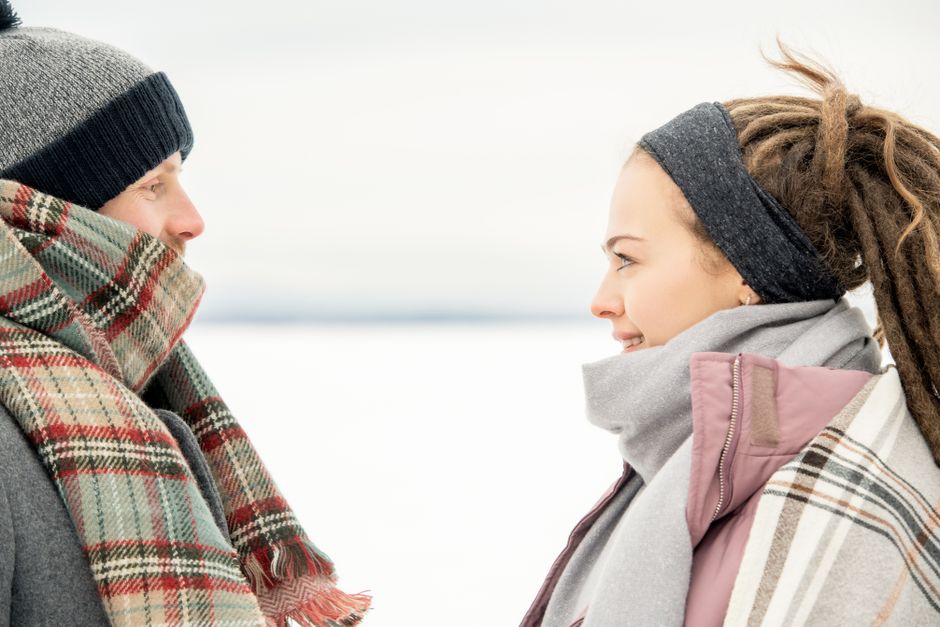

Does your winter scarf keep you warm but leave your neck red, itchy, or covered in tiny rough patches? The problem may not be wool itself. Fiber thickness, yarn quality, loose ends, dyes, washing products, and the way the scarf rubs against your skin all matter.
Why do wool scarves irritate sensitive skin?
The first question is not simply “Is wool itchy?” The better question is: how thick are the fibers, and how much friction will they create? A wool fiber with a diameter above roughly 30 microns can bend less easily against the skin. Its tip presses into the surface instead of lying flat. That pressure can feel prickly, especially around the neck, where movement creates constant rubbing.
Fiber diameter matters more than the word wool
Merino wool usually feels smoother than standard coarse wool because fine merino fibers can measure about 17 to 24 microns. Traditional lambswool often feels softer than regular wool, but the label does not guarantee a specific micron count. A scarf labeled “100% wool” could contain a soft fine grade or a coarse fiber that feels rough after ten minutes.
Cashmere feels softer because its fibers are fine, often around 14 to 19 microns, and the yarn has less of the springy, prickly feel linked with coarse wool. Alpaca can also feel smooth, but some alpaca yarns have a dry, fuzzy surface that catches on dry skin. Softness depends on the finished fabric, not just the animal fiber.
Warmth and irritation are different problems
A thick scarf can trap heat while still causing irritation. That heat may increase sweating, and sweat can make friction feel worse. A loose, breathable weave often works better than a dense, heavy scarf pressed tightly under a coat collar. For sensitive skin, the best fabric is the warmest one you can wear without constant rubbing, not the thickest one on the rack.
My clear verdict: fine merino is the safest starting point for shoppers who want wool’s warmth, while cashmere is the better choice for necks that react to most wool. Persistent swelling, hives, or burning calls for medical advice rather than another scarf purchase.
How should you choose a scarf that will not itch?

Buy for low friction first, then add warmth. A soft label means little if the scarf has scratchy seams, dry fibers, or a tight knit that drags across your neck. Check the surface, construction, and care instructions before judging the fiber name.
Use this five-step label and texture check
- Run the scarf across the inside of your wrist for at least 30 seconds. The wrist is more sensitive than your palm and can reveal roughness quickly.
- Look for fiber details. “100% cashmere,” “100% fine merino,” or a stated micron count gives more useful information than “luxury blend.”
- Check the ends and seams. Fringe knots, exposed stitching, metallic threads, and stiff labels can create localized irritation even when the main fabric feels soft.
- Hold the scarf under light. A slightly open weave usually feels lighter and breathes better than a dense, heavily brushed surface that traps heat and lint.
- Wash it before wearing it against bare skin. Manufacturing oils, dye residue, and scented finishing products can cause a reaction that you may wrongly blame on the fiber.
Match the knit to your winter routine
Choose a smooth jersey or fine rib knit for commuting, because it moves with the neck and creates less drag than a bulky cable knit. Pick a loosely woven merino or cashmere blend for indoor-outdoor days when overheating is common. A dense felted wool scarf suits cold, windy walks but may feel too warm and abrasive under a high collar.
Layering also changes the answer. If you need a thick wool scarf for outdoor warmth, wear a smooth cotton, silk, or bamboo-viscose neck layer underneath. That barrier reduces direct contact without forcing you to abandon wool completely.
Which scarf fabrics are least irritating?
The table gives the clearest answer: fine cashmere wins for maximum softness, while fine merino wins for durability and easier care. No fiber guarantees comfort for every person, so the weave and finish still deserve a hand-feel check.
| Fabric or product | Typical 2026 price | Useful specification | Best use | Main drawback |
|---|---|---|---|---|
| Quince Mongolian Cashmere Scarf | About $49.90 | 100% Mongolian cashmere, approximately 12 x 72 inches | Very sensitive necks seeking soft daily warmth | Can pill and needs careful washing |
| Uniqlo Cashmere Scarf | About $59.90 | 100% cashmere, approximately 25 x 180 cm | Light layering and polished everyday outfits | Thin feel may not suit severe cold |
| Everlane Cashmere Scarf | About $98 | 100% cashmere, approximately 12 x 72 inches | Soft, simple wardrobe staple | Higher cost for a delicate fiber |
| Patagonia Recycled Wool Scarf | About $69 | Recycled wool blend with synthetic reinforcement | Outdoor wear and hardier styling | More texture than cashmere |
| Fine merino scarf | About $35–$90 | Look for 17–24 micron merino yarn | Warmth, breathability, and regular wear | Some finishes still feel prickly |
The best value is fine merino
For most shoppers, fine merino offers the strongest balance. It resists odor better than many synthetics, regulates warmth, and handles regular use more easily than cashmere. Choose a smooth merino scarf under $90 if you commute, travel, or wash your accessories often.
The softest choice is cashmere
For a neck that reacts to ordinary wool, the Quince Mongolian Cashmere Scarf is my value pick at about $49.90. The Everlane Cashmere Scarf is the better minimalist upgrade at about $98. Cashmere wins on softness, but it loses on rough-use durability, so it should not be your choice for backpack straps, heavy rain, or daily machine washing.
What mistakes make a winter scarf feel worse?
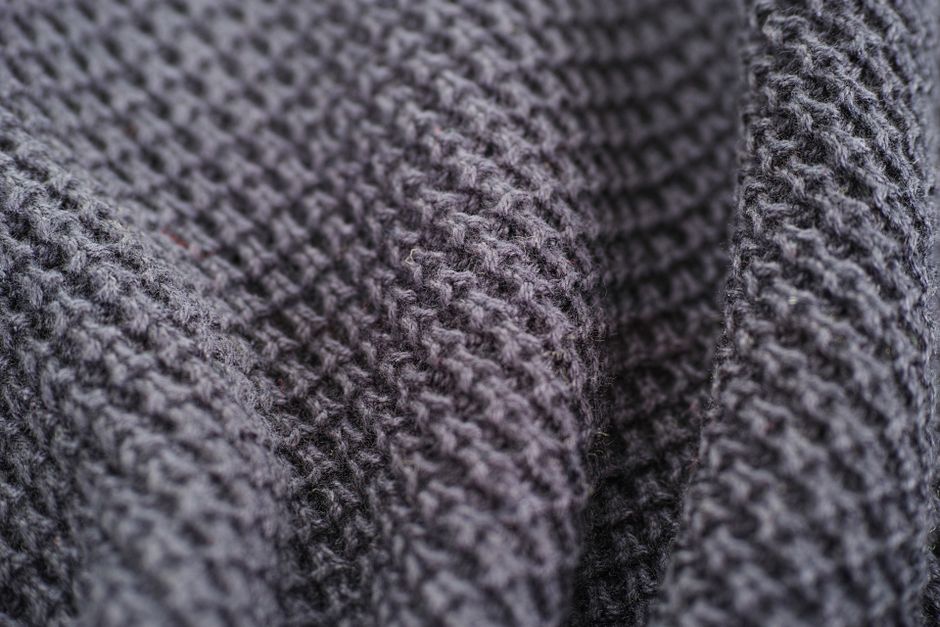
The most common mistake is blaming the fiber before checking friction. A scarf can feel fine in a store and irritating after eight hours of movement, sweat, and pressure from a coat.
Avoid these four buying and care errors
- Choosing “soft” by touch alone: Store lighting and fabric softener can hide a rough finish. Test the scarf on bare skin and move your neck while wearing it.
- Buying a tight, bulky wrap: Compression increases heat and rubbing. Leave enough room for one comfortable fold under the chin.
- Using hot water or a dryer: Heat can shrink animal fibers and make the surface feel denser. Wash cashmere and fine wool by hand or on a cold wool cycle, then dry flat.
- Ignoring detergent: Strong fragrance and residue can irritate skin even when the scarf itself is suitable. Use a small amount of gentle, unscented detergent and rinse thoroughly.
Know when not to buy wool
Skip wool if every fine merino or cashmere sample causes burning, hives, or swelling. Try a smooth silk scarf, Tencel, cotton jersey, or a soft synthetic fleece with a brushed inner surface instead. People who react to lanolin may also want to avoid untreated wool, although a suspected allergy needs proper medical testing rather than guesswork.
Do not buy a heavily brushed scarf simply because it looks plush. Brushing can create a fuzzy halo that feels soft at first but sheds fibers and traps sweat against the neck. A smooth, fine-gauge knit is the stronger choice for long indoor days.
What should you buy for sensitive winter skin?

Is cashmere better than wool for an itchy neck?
Yes, cashmere is the clear winner for maximum softness. Choose the Quince Mongolian Cashmere Scarf if you want the lowest price among the named options, or the Everlane Cashmere Scarf if you prefer a cleaner, structured look. Wash either one gently and keep it away from rough bag straps that can pull the fibers.
Is merino better for daily wear?
Yes. Fine merino is my best overall recommendation for commuters and travelers because it balances softness, warmth, odor control, and durability. Look for 17–24 micron yarn, a smooth knit, and no scratchy trim. If a merino scarf feels prickly on your wrist, it will not improve after eight hours around your neck.
What is the final fabric verdict?
For the most sensitive skin, choose cashmere; for repeated everyday wear, choose fine merino; for the lowest irritation risk when animal fibers fail, choose smooth silk or cotton jersey. The Patagonia Recycled Wool Scarf makes sense only when outdoor durability matters more than a perfectly soft surface.
The single most important takeaway: choose the finest smooth fiber you can afford, because low friction matters more than the word “wool” on the label.