
You arrive at the venue looking polished, then spend the first hour clutching your coat because your dress has no sleeves and your shoes cannot handle wet pavement. That is the winter wedding problem: the outfit must respect the dress code, survive the weather, and still look deliberate in photographs.
The answer is not piling on random layers. Build the outfit around the venue, the ceremony time, and one warm fabric that looks refined. Velvet, wool, satin, and lined crepe do more work than thin polyester with a decorative shawl.
Read the Dress Code Before Choosing Warmth
Start with the invitation, not the temperature. A warm outfit that looks too casual can miss the event just as badly as a beautiful dress that leaves you shivering. The dress code sets the ceiling for formality, while the location tells you how much insulation you need.
What the invitation really tells you
Black tie calls for a floor-length gown or a very polished formal jumpsuit, usually with dressy heels or elegant flats. Formal attire allows a long dress, a sophisticated midi, or a tailored suit in a rich winter color. Cocktail attire gives you more freedom, but the fabric still matters: a velvet midi looks more seasonally appropriate than a thin cotton sundress.
How the venue changes the plan
A city hotel may require only a wool coat between the car and the ballroom. A country barn, garden ceremony, or historic building can mean cold floors, gravel, wind, and long outdoor photographs. For those settings, choose sleeves, a higher neckline, closed-toe shoes, and a coat that covers the dress hem. The strongest winter wedding outfit looks complete with the coat on, because guests often wear it for arrival photos and outdoor conversations.
Choose the Right Winter Wedding Outfit Formula
Use the table as a quick filter. The best formula matches the dress code and the amount of time you will spend outside.
| Dress code or setting | Best outfit base | Warmth strategy | Clear verdict |
|---|---|---|---|
| Black tie ballroom | Floor-length velvet or satin dress | Long wool coat and pointed pumps | Choose velvet if the room may feel cold |
| Formal hotel wedding | Long-sleeve midi or tailored jumpsuit | Silk camisole under the jumpsuit or a lined coat | A long-sleeve midi gives the safest balance |
| Cocktail reception | Velvet midi with sheer or opaque tights | Ankle boots or closed-toe heels | Velvet beats a short satin dress in cold weather |
| Daytime semi-formal | Jewel-tone crepe dress or trouser suit | Short wool jacket and block heels | Use color and texture instead of sparkle |
| Outdoor ceremony | Long-sleeve dress or suit | Thermal base layer, wool coat, stable shoes | Comfort wins; skip exposed toes and thin stilettos |
My strongest product picks
For a polished cocktail wedding, the Adrianna Papell Velvet Burnout Long Sleeve Midi Dress is the best all-rounder at a recent listed price of $169. Its sleeves and midi length solve the cold-weather problem without looking office-like. The Vince Camuto Velvet Flocked Mesh Dress, listed around $99, works for guests who want a lower-cost party dress with texture. For fuller formal coverage, the Alex Evenings Pleated Long Sleeve Velvet Gown sits around $189. The splurge option is the Mac Duggal Embroidered Velvet High Neck Sleeveless Midi Dress at about $498, but buy it only when the embroidery and high neckline suit several future events.
Layer for Heat Without Ruining the Silhouette
The secret to staying warm is placing insulation where it cannot distort the outfit. A bulky cardigan over a formal dress usually looks accidental. Thin layers under the dress and one structured outer layer look intentional.
Build a hidden base layer
Choose a close-fitting camisole, smoothing slip, or fine merino tee in a shade close to your skin or the dress. A long-sleeve thermal top works under a high-neck dress or jumpsuit when the fabric stays smooth at the wrists and neckline. Avoid thick cotton: it can bunch under fitted crepe and hold moisture if you walk outside.
Pick a coat with enough room
Your coat should allow two fingers of space over the shoulders and close without pulling across the bust. A knee-length wool coat works with almost every dress hem. A cropped jacket suits a wide-leg suit but can expose the waist during outdoor photos. Match the coat’s formality to the outfit: wool, cashmere blend, or brushed structured fabric looks better than a shiny puffer at a formal venue.
Protect the lower half
Opaque tights add warmth and make a short cocktail dress feel more winter-ready. Choose 60 to 100 denier for real insulation. With a midi dress, wear closed-toe pumps, dressy ankle boots, or block heels with a rubber sole. Pack a second pair of shoes if the ceremony includes grass, gravel, or snow. Wet feet can ruin the evening faster than a slightly imperfect hem.
Build the Look in Five Practical Steps
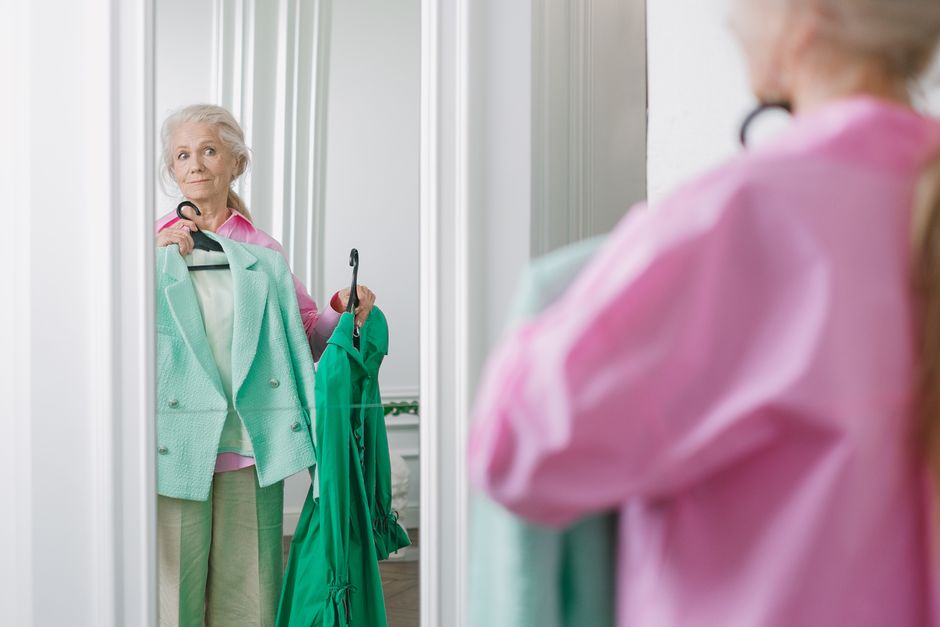
Follow this order when you are getting dressed. It prevents the common mistake of buying a dress first and discovering that the coat, shoes, and underlayers do not work together.
- Confirm the dress code. Check the invitation, wedding website, and venue. A black-tie hotel wedding needs a different finish from a daytime ceremony in a heated barn.
- Choose the coverage first. Decide on sleeves, neckline, hem, and tights before choosing color. For an outdoor ceremony, full-length sleeves and closed shoes are more useful than a dramatic back.
- Add one winter texture. Velvet, wool, satin, jacquard, or a subtle metallic thread gives the outfit seasonal depth. One strong texture looks richer than several competing details.
- Set the shoe limit. If you will walk over ice, cobblestones, or lawn, choose a block heel no higher than 3 inches. The Vince Camuto velvet dress at about $99 looks more modern with a stable pointed ankle boot than with a fragile summer sandal.
- Test the complete outfit. Put on the base layer, dress, tights, coat, shoes, and bag. Sit down, raise your arms, walk ten minutes, and take a flash photograph. If the fabric rides up or the coat crushes the sleeves, fix it before the wedding day.
When not to buy a new dress
Do not buy another one-event outfit if you already own a dark midi dress, a wool coat, and formal shoes that meet the invitation. Spend the money on alterations instead. A $30 hem adjustment or sleeve repair can make an existing dress look sharper than a rushed online purchase. Buy new only when your current wardrobe misses the dress code, the weather protection, or the right fit.
Winter Wedding Guest Questions, Answered
Can I wear black to a winter wedding?
Yes, unless the couple has requested a specific color theme or the invitation sets a cultural dress rule. Black works especially well for evening weddings when you add texture through velvet, satin, lace, or a small metallic accessory. Keep the look festive rather than funeral-like with a bright lip, polished jewelry, or a jewel-tone bag.
What should I wear to a winter wedding when I hate dresses?
Choose a tailored jumpsuit or a suit with a silk blouse. A wide-leg trouser, pointed shoe, and fitted wool coat create the same formal line as a long dress. For black tie, use fluid fabric, elegant jewelry, and a floor-skimming hem so the outfit reads as eveningwear rather than officewear.
How do I stay warm during outdoor photographs?
Wear the coat you plan to keep on for photographs, and carry discreet hand warmers in the bag. Ask the photographer for a short outdoor window instead of standing in the cold for every group shot. A lined slip, opaque tights, and a stable closed shoe provide more useful warmth than a thin decorative wrap.
| Your situation | Best choice | Skip |
|---|---|---|
| Cold ballroom | Long-sleeve velvet midi and wool coat | Thin satin with bare sandals |
| Formal evening | Floor-length dress or fluid jumpsuit | Casual knitwear and daytime boots |
| Outdoor ceremony | Covered shoulders, tights, stable closed shoes | Stilettos, exposed toes, short unlined jackets |
| Budget-conscious guest | One versatile velvet dress under $200 | A novelty dress that works once |