

Hat brims usually warp because pressure, heat, and uneven support act on the same area for weeks or months. The most reliable solution is simple: support the crown and brim across a flat surface, leave room for air, and avoid stacking weight on top. No state law is being discussed here. This is not legal advice — consult a licensed attorney.
Why hat brims warp in storage
Flat, full-surface support is the controlling rule. A brim made from straw, felt, wool, cotton, or synthetic fiber keeps the shape it holds for long periods. If one side rests on a narrow shelf edge, the material slowly takes that bent position. Heat speeds up the change by softening adhesives, stiffening agents, and some plastic-based materials.
Pressure changes the brim first
A wide brim needs support at several points, not just at the center. When a hat sits upside down on its crown, the brim hangs unsupported and can develop a shallow dip. When it sits right-side up with another hat on top, the lower brim carries the load. Both arrangements can leave permanent waves. A storage area should give the brim at least 2 inches of clearance on every side, with no object pressing against its edge.
Humidity and heat weaken shape
Most closets do not need a special climate system, but they do need stable conditions. Keep hats away from radiators, sunny windows, bathroom steam, and laundry rooms. A dry, shaded room around 60 to 75 degrees Fahrenheit is usually safer than a hot attic or damp basement. If a hat feels damp, let it air out completely before closing it in a container. Trapped moisture can create odor, mildew, and stains, especially on natural fibers.
The crown and brim need different support
The crown can support the hat if it rests on a broad, smooth form that matches its shape. The brim should lie flat or sit on a circular support with a similar diameter. Do not use a thin wire hanger, a single hook, or a tight elastic band as the only support. Those points create concentrated pressure. The practical verdict is clear: store structured hats in a rigid space that supports both the crown and the brim, with enough height to prevent contact with the lid.
Which hat storage method protects the brim best?
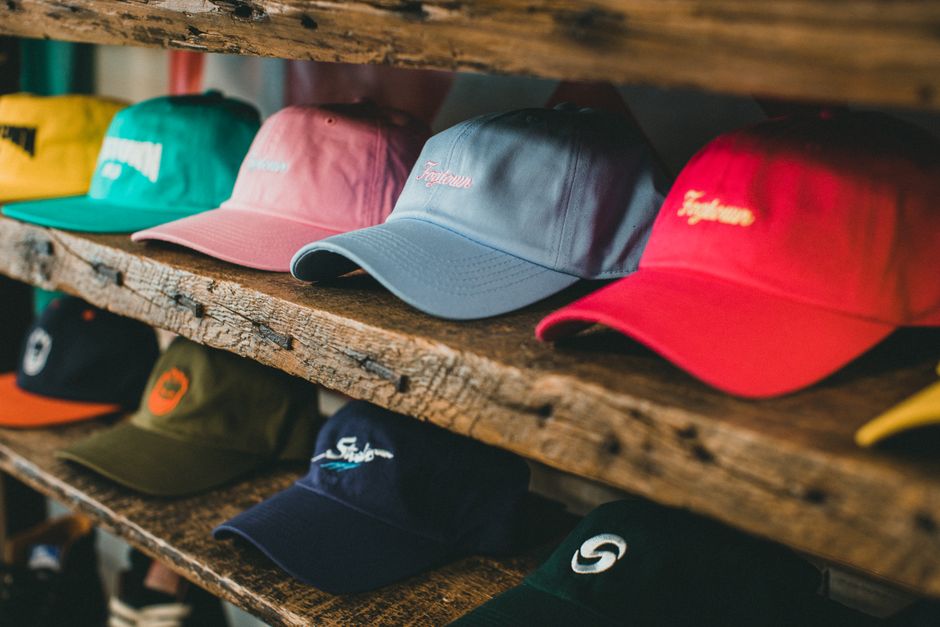
The storage method should match the hat’s structure, material, and frequency of use. A daily baseball cap can tolerate a different setup from a rigid wool fedora or a large straw sun hat. The table below gives a practical ranking based on support, airflow, and space use.
Storage methods compared
| Method | Brim support | Airflow | Best use |
|---|---|---|---|
| Rigid hat box | Full support when sized correctly | Moderate | Structured felt, wool, and straw hats |
| Open shelf with a flat divider | Good if the hat sits flat | High | Frequent-use hats in a dry closet |
| Wall hook | Limited to crown or hang point | High | Soft caps and short-term display |
| Soft fabric bin | Weak unless reinforced | Low to moderate | Unstructured knit or packable hats |
| Stacking hats directly | Poor for lower hats | Low | Only soft hats with no fixed brim |
The clear winner for shaped brims
A rigid box is the best choice for a hat that must keep a set shape. It blocks accidental pressure and creates a predictable storage boundary. Choose a box at least 2 inches wider than the brim and 2 inches taller than the crown. For hats used every week, an open shelf with a rigid divider may be more convenient, but it still needs a flat base and enough vertical clearance. Direct stacking is the method to reject because it transfers the weight of every upper hat to the lowest brim.
How to choose a rigid hat box by measurement
My recommendation is to measure the hat before buying the container. A box that looks generous online can still flatten a brim if its interior measurements are smaller than its listed exterior size. The right box is not the largest box available; it is the smallest rigid container that leaves safe clearance around the hat.
Use this four-step sizing test
- Measure the brim from its widest point. Record the diameter for round hats and the length and width for oval or irregular shapes.
- Measure crown height from the brim to the highest point. Include decorative bands, bows, feathers, and other raised details.
- Add 4 inches to the brim’s widest measurement. This creates about 2 inches of side clearance on each side.
- Add 2 inches to the crown height. That gap keeps the lid from touching the crown or pressing the brim through the container.
Three real containers worth comparing
The IKEA KUGGIS box with lid, in its 26 by 35 by 15 centimeter size, works for compact hats with modest brims, but it is too shallow for many tall fedoras. The Sterilite 66-Quart ClearView Latch Box, measuring about 23 5/8 by 16 1/8 by 13 1/2 inches, gives more height and is the stronger choice for large seasonal hats, provided the brim fits without bending. The Bigso Oskar Hat Box, commonly sold at roughly 15 3/4 inches square and 7 7/8 inches high, suits a single structured hat with a medium brim. These dimensions matter more than the brand name. The verdict: choose the Sterilite box for a large sun hat, Bigso for a medium structured hat, and IKEA KUGGIS for compact storage where the measurements genuinely clear the brim.
Hat storage questions that prevent common mistakes

Can I stack hats inside one box?
Only if every hat is soft, unstructured, and free of a fixed brim. For felt fedoras, straw hats, and molded wool styles, use one hat per compartment. If two hats must share a box, place a rigid divider between them and fill the lower crown with acid-free tissue paper so the upper hat does not press directly on the brim. The lower hat should still have a flat support under its brim.
Should a hat sit upright or upside down?
For a structured hat, place it in the position that keeps the brim flat without forcing the crown against the lid. Many broad-brim hats do well with the crown facing upward and a soft, clean support inside the crown. Some narrow-brim hats fit better upside down if the box has a raised center support. There is no universal orientation; the measurable test is whether the brim remains level and untouched after the lid closes.
What should I avoid before closing the box?
Do not store a wet hat, a hat with fresh hairspray, or a hat covered in dust. Moisture and residue become harder to remove in a sealed space. Brush loose dirt away with a soft garment brush, let perspiration dry, and remove removable pins or metal decorations that could leave pressure marks. Keep cedar blocks and scented sachets away from direct contact with light-colored felt because oils and dyes can transfer. The practical verdict is one hat, one clean support, and no compressed accessories inside the box.
When a hat box is the wrong solution
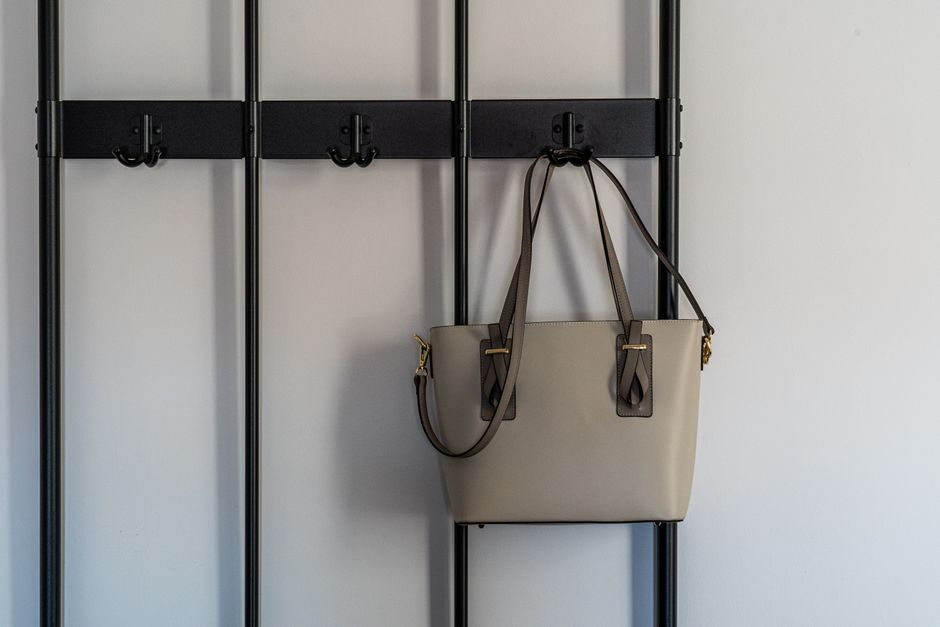
Do not buy a hat box for every hat you own. A rigid box is the right tool for a shaped brim, but it wastes space for soft caps and can trap moisture when the hat is stored before it dries. A wall-mounted rack is better for five-panel caps that you wear several times a week. An open shelf is better for a dry, ventilated closet where you can keep each hat flat and separated. A fabric bin is acceptable for knit beanies, packable nylon hats, and other styles designed to fold.
Failure modes to rule out
- A box that is too small presses the brim against the sides and creates a permanent curl.
- A box that is too tall allows the hat to slide and strike the lid when the container moves.
- Direct stacking transfers weight to the lowest brim.
- A wire hook leaves a sharp pressure point in the crown or sweatband.
- Plastic bags block airflow and can trap moisture against natural fibers.
- Sunlight fades straw, felt, and dyed fabric even when the hat is neatly arranged.
The final recommendation
For a structured wide-brim hat, buy one rigid box with interior clearance of at least 2 inches around the brim and 2 inches above the crown. For a medium everyday hat, the Bigso Oskar Hat Box is the best named option in this comparison because its dedicated shape and moderate height reduce shifting. For a large sun hat, choose the Sterilite 66-Quart ClearView Latch Box after measuring the interior, not the advertised exterior. For soft caps and knit hats, skip the box and use an open rack or ventilated shelf. That matching process gives each hat the support it needs without paying for storage that creates new pressure points.