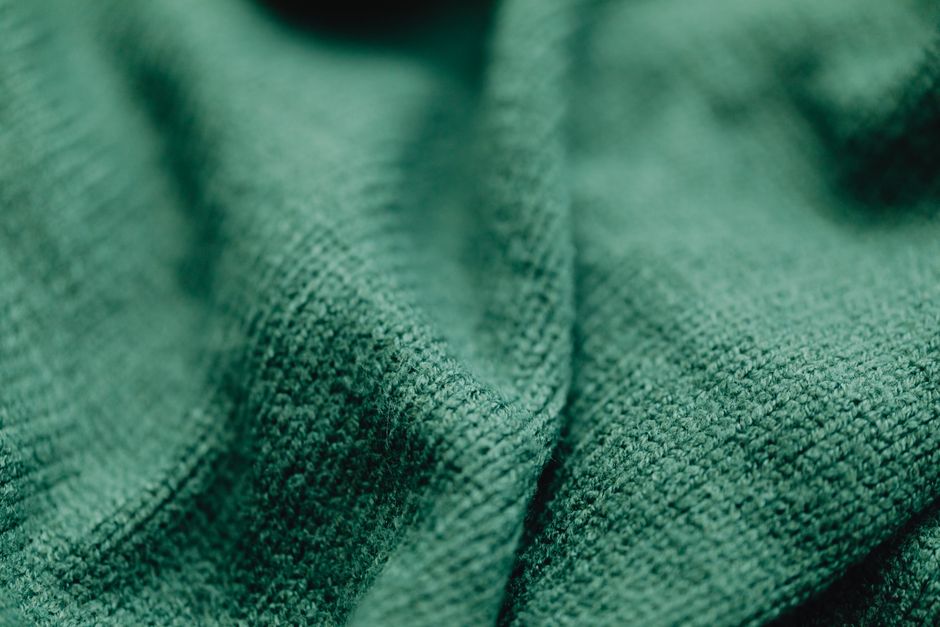

Most winter knitwear does not need more washing. It needs less friction, faster drying and better storage. Wash wool and cashmere only when they are dirty or smell stale, lay them flat while damp, and remove pills before they spread. That routine protects the shape, softness and useful life of a sweater far better than expensive detergent alone.
How to wash wool sweaters without shrinking them
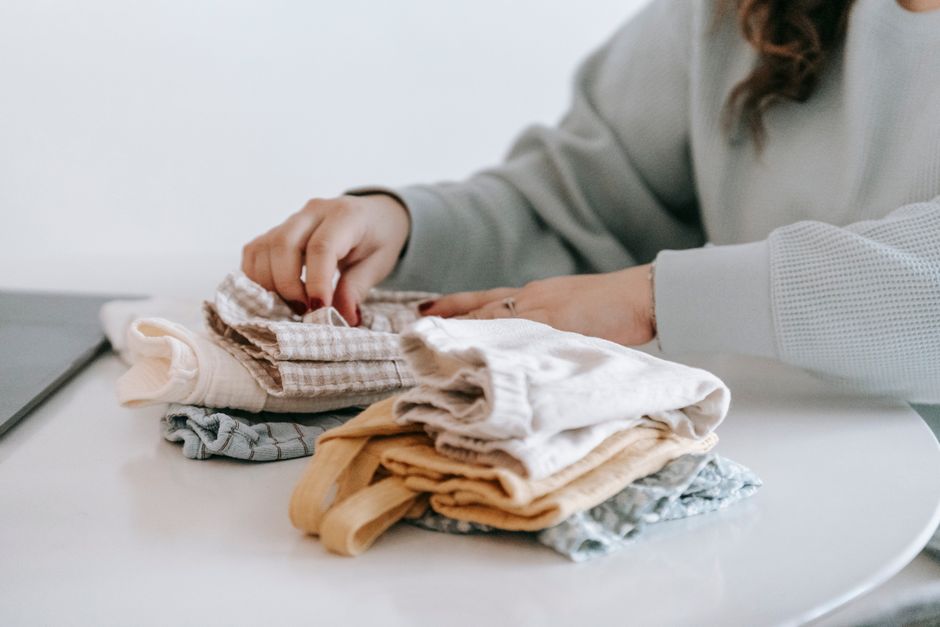
Use the care label as the starting point, then choose the gentlest process that removes the actual dirt. Wool does not shrink because water exists; it shrinks when heat, moisture and agitation make the scales on the fibers lock together. Cashmere needs the same caution, with even less rubbing.
Follow this washing order
- Check the label first. If it says dry clean only, do not test a delicate sweater in the washing machine. The label may reflect dyes, linings or construction that need professional handling.
- Close zippers and turn the garment inside out. Empty pockets, remove belts and fasten loose buttons. This cuts down on snagging and surface abrasion.
- Use cool water and a wool detergent. Keep the water below 30°C. Choose a small dose of a low-foam wool wash rather than standard biological laundry detergent, which can contain enzymes that weaken animal fibers.
- Keep agitation short. Hand wash for five minutes with gentle pressing, or use a machine’s wool or delicate cycle at low spin. Never twist the sweater to force water out.
- Rinse at a similar temperature. A sudden change from warm wash water to cold rinse water can shock some fibers and encourage distortion.
Hand washing is not automatically safer
People often scrub harder when washing by hand. That defeats the point. A washing machine wool cycle can be safer than a sink if the machine keeps the water cool, limits movement and spins gently. The winning method is the one that creates the least rubbing. Press the garment between clean towels to remove water, then move straight to flat drying.
For most washable wool, one careful wash after several wears is enough. Spot-clean a small mark with cool water instead of running the entire sweater through another cycle.
Drying decides whether a good sweater keeps its shape
Flat drying is the only dependable method
Never hang a wet wool or cashmere sweater from the shoulders. Water adds weight, and that weight pulls the armholes downward while the knit is weak. Lay the sweater on a dry towel or mesh drying rack, restore the shoulder seams and gently pat the body back to its original measurements. Keep the sleeves straight and let air reach both sides. A thick sweater may take 24 hours to dry, so turn it once halfway through.
Keep heat and sunlight away
Radiators, tumble dryers, hair dryers and strong window sun can shrink, fade or stiffen knitwear. A fan in the room is useful; hot air blowing directly onto the garment is not. If the sweater still feels cool and damp at the cuffs, it is not ready for the wardrobe. The verdict: flat drying matters more than the detergent brand. Get this step wrong and even a $200 cashmere sweater can come out short, tight and permanently misshapen.
Which pilling tools actually work?

Buy a tool that matches the knit. A sharp fabric shaver is fast on sturdy merino and cotton, while a manual comb gives better control on loose cashmere. Do not attack pills with scissors unless you can see the base of every pill. Cutting into the surface creates holes.
Tool comparison for winter sweaters
| Product | Type | Typical price | Best use |
|---|---|---|---|
| Steamery Pilo 2 Fabric Shaver | Rechargeable electric shaver | About $65 | Large areas of merino, lambswool and cotton |
| Gleener On the Go Fabric Shaver | Manual edge tool | About $15 | Travel repairs and precise spot work |
| Conair Fabric Shaver and Lint Remover | Battery-powered shaver | About $15 | Budget care for dense everyday knits |
| Soak Wash Delicate Laundry Detergent | No-rinse liquid wash | About $18 for 375 mL | Low-agitation washing of wool and cashmere |
The best overall choice for a regular sweater wardrobe is the Steamery Pilo 2 because its guard and rotating blades cover a broad surface quickly. For one delicate cashmere sweater, the Gleener is the safer purchase because your hand controls the pressure. The Conair is fine for occasional use, but expect less even results and replace batteries before a long repair session.
Use a shaver in short passes
Place the dry sweater on a flat surface. Stretch the fabric lightly with one hand and move the shaver in short, straight passes without pressing down. Empty the lint chamber often. Stop when the surface looks clean; chasing every tiny fiber can thin the knit. Pilling control should remove loose pills, not shave away the sweater itself.
How should you store knitwear between wears?
Fold knitwear for storage. Hanging is acceptable for a few hours of airing, but it is a poor long-term plan for heavy wool, chunky cotton or cashmere. Shoulder bumps are not a styling flaw you can steam away forever; repeated stretching changes the shape of the knit.
Should sweaters be folded after every wear?
Yes, after the garment has aired and dried. Fold the sleeves across the back, then fold the body once or twice so the weight stays supported. Do not cram the sweater beneath jeans or shoes. Compression creates deep creases and makes pills more likely along the folds. Leave enough room for air to move around the stack.
Can cedar protect knitwear from moths?
Cedar blocks and sachets can help inside a clean, dry wardrobe, but they do not replace washing and vacuuming. Moth larvae feed on sweat, skin flakes and food traces, not just on neglected clothing. Clean the shelf before storing seasonal pieces, and use sealed garment bags for long-term protection. Avoid plastic dry-cleaning bags because they trap moisture. A breathable cotton cover is the better choice.
Do not store a sweater while it is damp, stained or still carrying body odor. That is how mildew, yellow marks and moth damage begin.
What should you buy for wool, cashmere and cotton?

Buy the fiber for the job, not the softest sweater in the shop. Very soft knitwear feels luxurious on day one but often needs more careful handling. For a commuter who wears one sweater several times a week, merino is the clear winner. For maximum softness at home, cashmere wins, but it demands gentler washing and more frequent pill removal.
Merino is the best daily winter layer
Merino wool regulates temperature well, resists odor and recovers its shape better than many loose fashion knits. Look for a dense gauge, reinforced cuffs and a stated fiber percentage. A 100% merino sweater is not automatically superior to a strong merino blend; nylon can improve abrasion resistance, while synthetic content may reduce softness and breathability. Pick merino for commuting, travel and repeated wear between washes.
Cashmere is a comfort purchase, not a low-maintenance purchase
Cashmere works best as a lighter layer under a coat, not as a rough daily workhorse. Keep bags and coarse outerwear away from it, and use a manual comb for early pills. If you wash clothes in a hurry, buy merino instead. Cotton knitwear is easier to wash and handles more friction, but it can hold moisture and stretch when wet. It is the better option for mild winters and indoor wear.
- Choose merino for odor control and frequent wear.
- Choose cashmere for softness when you will handle it carefully.
- Choose cotton for easier washing and lower maintenance.
- Skip delicate cashmere if you need a sweater that survives rough bags, crowded commutes and weekly machine cycles.
The strongest buying signal is construction: dense knit, even seams and clear fiber labeling beat a vague luxury claim.
When a sweater is already damaged, use this rescue order
Do not throw out a sweater because of surface pills, and do not keep wearing one that has lost its shape. Most winter knitwear problems fall into a few repairable categories. Start with the least aggressive fix.
Match the damage to the fix
- Loose pills: Lay the sweater flat and use a fabric shaver or manual comb with light pressure.
- Small stains: Blot with cool water and a tiny amount of wool detergent. Do not rub outward from the stain.
- Stretched shoulders: Rewash only if the label allows it, then reshape the damp sweater flat to its original dimensions.
- Snags: Push the loose loop to the inside with a blunt needle. Never pull the loop from the front.
- Holes: Stop wearing the garment and take it to a knitwear repair specialist. A professional can match yarn and rebuild the area before the hole spreads.
Know when replacement is the smarter choice
Replace a sweater when the body has become thin, the cuffs stay stretched, or pills return immediately after removal. A cheap acrylic knit with widespread fuzz may cost less to replace than to repair, while a well-made wool or cashmere piece deserves professional mending. Do not buy another delicate sweater to solve a lifestyle problem. If your routine involves heavy bags and frequent machine washing, choose dense merino or cotton instead.
The single most important takeaway: wash knitwear rarely, dry it flat, remove pills gently and store every sweater clean and completely dry.