

The Best Trouser Break for Loafers Is a Slight Break
My verdict: choose a slight break with most loafers. The hem should touch the top of the shoe, create one small crease at the front, and sit just above the heel counter at the back.
Loafers expose more of the foot than boots, so trouser length becomes easier to see. A hem that covers half the vamp makes the shoe look buried. A hem that stops well above the shoe can look like an accidental crop, especially with a traditional office trouser. The slight break solves both problems: it gives the leg a clean finish while leaving enough leather visible to show that you chose a loafer on purpose. The target is usually a hem that sits about 0.25 to 0.5 inches above the floor when you stand naturally, though the exact number changes with your rise, posture, and shoe shape.
The deeper principle is simple. Boots add height and visual weight below the ankle, so they can support a longer trouser. Loafers are lower and lighter. They need a cleaner hem to keep the lower half of the outfit balanced. Start with the shoe you will actually wear, then alter the trousers. Do not take measurements in socks or dress shoes and assume the result will carry over.
Use This Break Chart Before You Alter the Hem
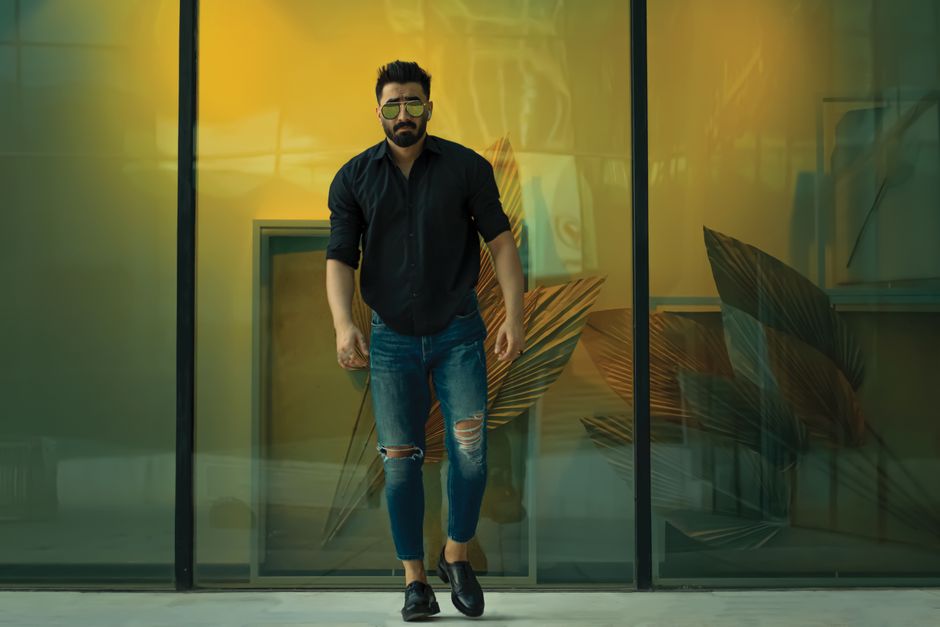
Measure the trouser against the shoe, not the ankle
Stand straight in the loafers with your weight spread across both feet. Let the trousers fall without pulling the fabric down. Check the front crease, the side seam, and the back of the hem. One view can look correct while another reveals excess cloth.
| Break | Front appearance | Best loafer pairing | Typical hem position |
|---|---|---|---|
| No break | Clean line with no front crease | Sharp leather penny loafer | About 0.5 to 0.75 inches above the heel |
| Slight break | One small crease across the vamp | Most penny, tassel, and horsebit loafers | Touches the shoe with a small heel gap |
| Medium break | Two or more visible folds | Chunkier casual loafer | Nearly touches the heel counter |
| Full break | Heavy stacking at the shoe | Usually better with boots | May fold over the heel |
Read the hem from three angles
From the front, the crease should look deliberate rather than collapsed. From the side, the trouser should cover the top of the sock while leaving the loafer shape readable. From behind, the fabric should not pool on the heel. A small gap is fine, but a high floating hem makes formal trousers look shrunken. For most people, the slight break is the safest starting point because it tolerates normal movement without turning into visible stacking.
Bottom Line: a no-break hem is crisp, a slight break is versatile, and a full break usually asks for more shoe underneath it. Loafers rarely need the extra fabric that boots can carry.
Which Loafers Work With Each Break? My Picks
The shoe changes the answer. A slim leather loafer can handle a shorter hem, while a thick rubber sole needs more trouser coverage to stop the outfit from looking top-heavy. These are typical US retail prices around 2026, not guaranteed sale prices.
G.H. Bass Larson Weejuns for the safest casual pairing
The G.H. Bass Larson Weejuns, usually about $110, are the easiest place to start. Their moc-toe shape and moderate sole work with a slight break and a clean no-break hem. Use them with cotton chinos, lightweight wool trousers, or dark denim with a narrow opening around 7 to 7.5 inches. For this shoe, a medium break usually looks dated because it hides the penny strap and makes the foot appear shorter. My pick: a slight break for everyday wear.
Allen Edmonds Randolph for dress trousers
The Allen Edmonds Randolph, often around $395, is a more formal leather penny loafer with a welted construction and a leaner profile. It earns a no-break or very slight-break trouser. The dressier the fabric, the cleaner the hem should be. A 9-inch opening can drown this style, while a 7.25 to 7.75-inch opening keeps the silhouette controlled. My pick: a slight break for business clothing and a no-break hem for a sharper evening outfit.
Dr. Martens Adrian and Gucci Horsebit 1953 for different extremes
The Dr. Martens Adrian, usually about $170, has a chunky rubber sole and tassel detail. It needs more coverage than a slim penny loafer, so a medium break works best, especially with heavier cotton or flannel. The Gucci Horsebit 1953, often priced near $1,250, sits at the opposite end: its low-profile leather shape looks best with a no-break or slight-break hem. The Sebago Classic Dan, around $150, lands between them and works well with a slight break in relaxed chinos.
These are cash prices, not financing offers. If you carry $110 at 20%-30% APR, one month costs about $2-$3 in interest; a $15-$25 return label, or a $35-$41 late fee on a card, can erase a sale discount.
Bottom Line: choose the G.H. Bass Larson Weejuns for the broadest casual use, the Allen Edmonds Randolph for tailored trousers, and the Dr. Martens Adrian only when the outfit can support extra sole weight.
Five Trouser-Break Mistakes That Make Loafers Look Wrong
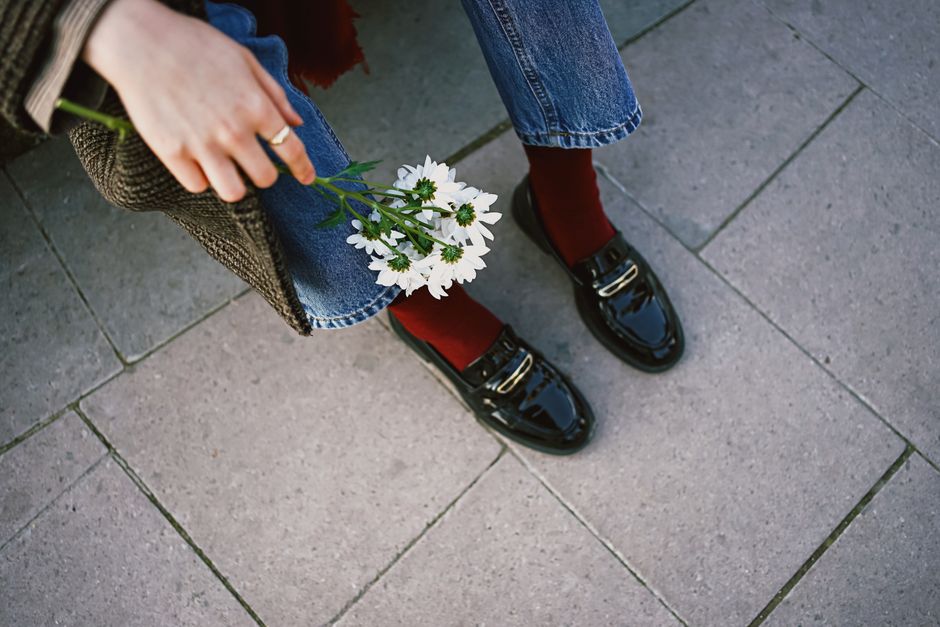
Fix the failure points before buying another pair
- Measuring in the wrong shoes: Boots raise the heel and add volume below the ankle. If you hem trousers while wearing boots, the same length may collapse over loafers. Put on the actual loafer and walk for five minutes before pinning the hem.
- Confusing a narrow leg with a short leg: A narrow trouser opening can make a normal break look larger because the fabric has less room to spread. Do not keep shortening the trousers to solve an opening-width problem. Check the leg shape first.
- Showing too much sock: A small flash of sock appears when you sit. A visible band of sock while standing usually means the hem is too short for the setting. This is especially risky with tailored wool trousers, where the cropped effect reads as a mistake rather than a style choice.
- Ignoring the rise: Low-rise trousers and high-rise trousers can have the same inseam but sit at different points on the body. Judge the break after the waistband sits where you normally wear it. Tailors need the true wearing position, not a guessed measurement.
- Pairing every loafer with one length: A flat leather shoe, a tassel loafer, and a heavy rubber-soled model do not create the same visual line. Keep one core length, then allow a small adjustment of about 0.25 inches for a much chunkier shoe.
When not to shorten the trousers
Do not chase a no-break hem if the trousers are wide, heavily pleated, or made from a fabric that collapses easily. The shorter length may expose too much ankle and make the leg look wider than intended. Keep a slight break when the garment has generous volume. The goal is not the shortest possible hem; it is a controlled transition from trouser to shoe.
Loafer Trouser Break Questions, Answered Directly
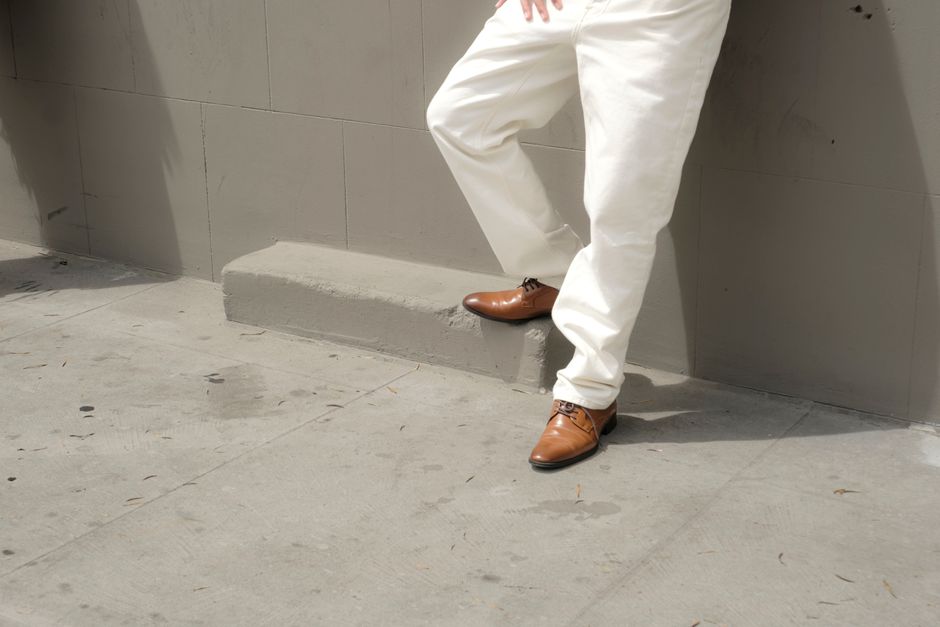
Should loafers show the ankle?
Only slightly, and mainly in casual outfits. With chinos or summer trousers, a narrow strip of ankle can look intentional. With office wool, show the shoe rather than the ankle. A slight break should cover the sock while keeping the loafer visible.
Is a no-break hem too modern for classic trousers?
No, but it is less forgiving. The trousers need a clean taper, a stable fabric, and a shoe with enough visual shape. If the cloth wrinkles easily or the leg is wide, a slight break will look more polished. My clear preference for classic tailoring is a slight break because it survives sitting, walking, and normal posture better.
Can one pair of trousers work with loafers and boots?
Yes, if the difference in heel height is small and the trouser has a slight break. A boot with a tall shaft may still require a longer hem, while a low loafer may reveal a little more ankle. Keep the trousers for the shoe you wear most. Altering every pair for two very different shoes usually produces a compromise that looks mediocre with both.
When boots go away, the wardrobe does not need a full reset. Start with the slight break, check the hem in the actual loafers, and change the length only when the shoe shape demands it. That small adjustment keeps the outfit grounded, so the loafers read as a deliberate replacement rather than a consolation prize.