

You are standing outside a train station in a wool coat, two sweaters and a scarf that keeps sliding loose. Your arms feel trapped, your waist looks wider than it is, and the first heated room will turn the whole outfit into a sauna. The fix is not wearing fewer layers. It is giving each layer one clear job.
Winter layering without bulk works when the base layer manages moisture, the mid layer adds warmth and the shell blocks wind or rain. Each piece should fit over the one below it without fighting for space. The result is warmer, easier to move in and much sharper than piling on oversized knits.
Build a Three-Layer Outfit in Five Steps
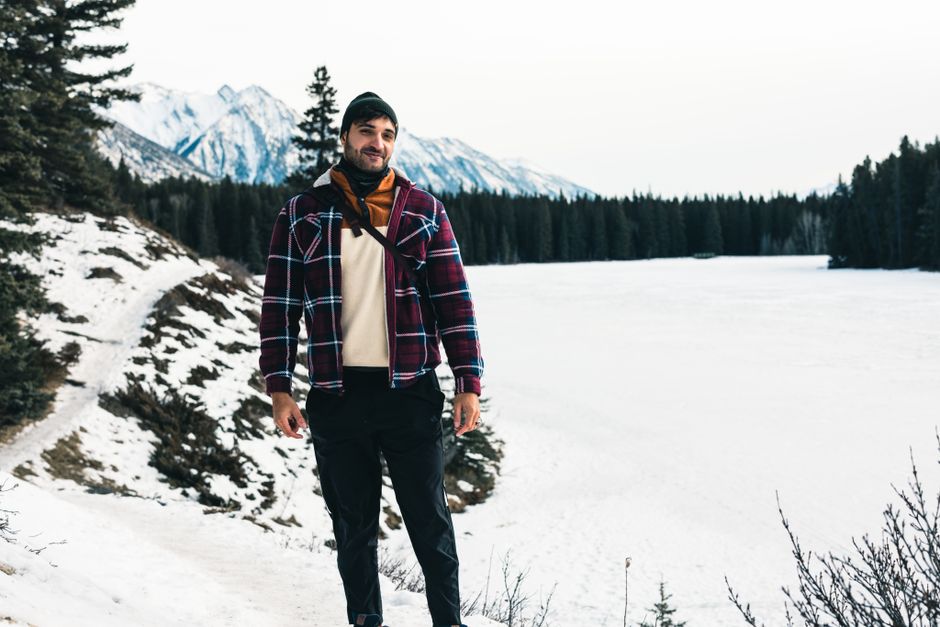
Use this sequence when getting dressed. It takes less than five minutes and stops you from adding random pieces at the door.
Step 1: Start with a smooth base
- Choose a close-fitting long-sleeve top in merino wool, synthetic performance fabric or a blend.
- Keep the neckline low enough to disappear under your shirt or sweater.
- Check the sleeve length. It should reach the wrist bone without pushing a shirt cuff upward.
The base layer should feel almost boring. If it has thick seams, a loose hem or a high collar that shows under every outfit, it will make the rest of the wardrobe harder to style.
Step 2: Add warmth where your body needs it
- Pick a mid layer with enough space for the base but no more than 3 to 5 centimetres of spare room at the chest.
- Use a fine merino sweater, compact fleece, quilted liner or lightweight overshirt.
- Choose one visual texture only. A smooth base under a textured mid layer looks deliberate; three competing textures look crowded.
For office clothes, a fine-gauge crew neck or cardigan sits more cleanly under a coat than a thick cable knit. For casual outfits, a fleece or quilted liner gives warmth without adding the wide shoulders of a heavy sweater.
Step 3: Finish with a protective shell
- Choose a shell that covers your seat and closes comfortably over the mid layer.
- Look for a two-way zip if you sit or cycle, and a hood that adjusts around the face.
- Check the hem and cuffs for wind control. Small gaps can make a warm outfit feel cold.
A shell does not need heavy insulation. Its job is to stop wind and rain from stripping away the warm air held by your base and mid layers. A clean, lightly structured shell often looks smarter than a puffy coat because it keeps the shoulder line controlled.
Step 4: Balance the lower half
Do not put all the volume on top of slim trousers. If the upper layers are relaxed, use straight-leg trousers or dark denim with enough room for thermal tights. Trousers that cling at the thigh make the top half look larger by contrast.
Step 5: Remove one piece before entering heat
Take off the shell in a heated room before unzipping the mid layer. This keeps your outfit intact and prevents sweat from soaking the base. If the room is warm, remove the mid layer too and let the base work as a normal long-sleeve top beneath a shirt or jacket.
Common Layering Problems: Quick Answers
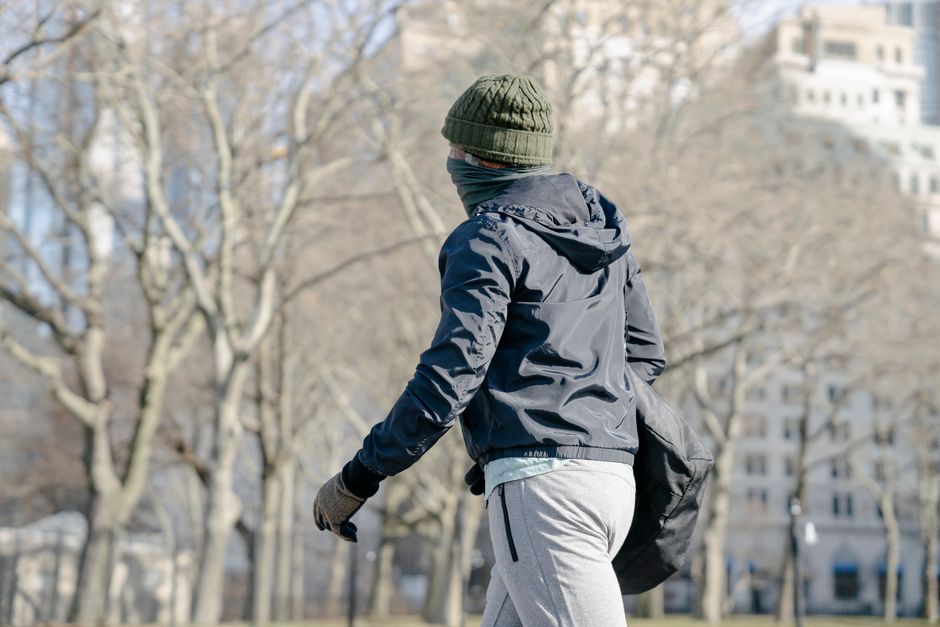
These are the mistakes that make a sensible three-layer system feel uncomfortable or look careless.
Why do my layers pull across the chest?
The mid layer is too small, or the shell has a narrow armhole. Do not solve this by sizing up every piece. Keep the base close, move up one size in the mid layer if needed, and choose a shell with a straighter cut. You should be able to zip the shell while wearing the mid layer with your arms crossed in front of you.
Why do I sweat even when the temperature is low?
You are probably wearing too much insulation during movement. Open the shell vents before removing the mid layer, and use a base that moves moisture away from the skin. Cotton is the weakest choice for an active base because it absorbs sweat and dries slowly. If the problem continues, replace the thick mid layer with a lighter one rather than adding a more breathable shell on top of excessive warmth.
Why does my outfit look like outdoor equipment?
Technical details are stacking up. If your shell has a shiny finish, visible cords, large pockets and a bright logo, keep the other layers quiet. Use one technical piece and two ordinary wardrobe pieces. A matte shell over a plain knit and straight trousers looks more intentional than a full outfit of matching performance gear.
When should I skip the three-layer system?
Skip it for short indoor trips, mild weather or formal events where a tailored coat already provides enough warmth. Three layers are not a badge of discipline. They are useful when temperature, wind and activity change throughout the day. For a dry 10°C afternoon, a long-sleeve shirt and wool coat may be cleaner and more comfortable than forcing a base, mid and shell into the outfit.
Best Sharp Layering Kits for Work, Travel and Cold
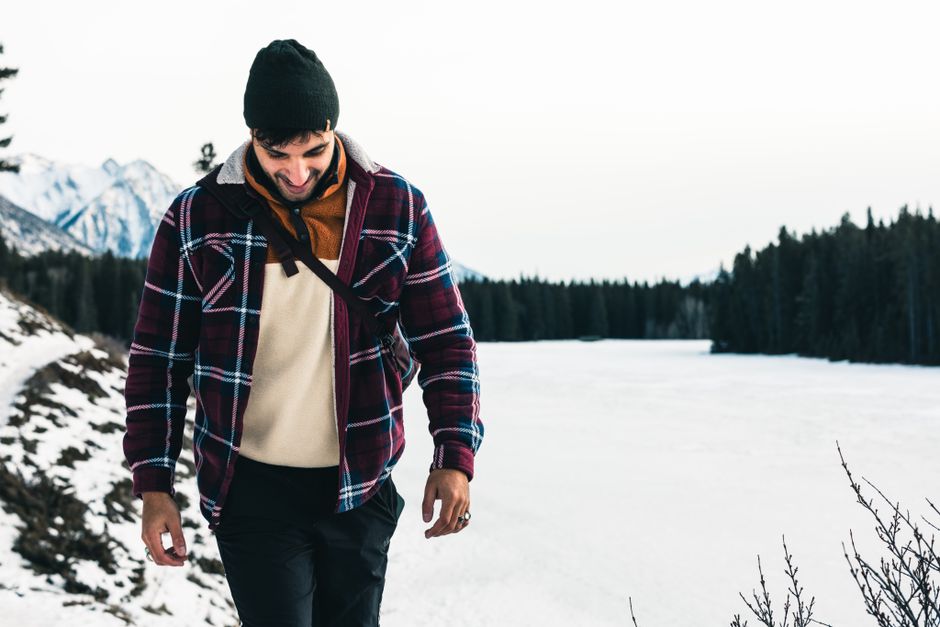
My clear recommendation: use a thin merino or synthetic base, one structured mid layer and a quiet shell. That combination gives the best balance of warmth, mobility and appearance. The winning outfit is not the one with the most insulation. It is the one that keeps its shape after you sit, walk, remove a layer and put it back on.
For a smart office commute
Wear the Uniqlo HEATTECH Extra Warm Crew Neck beneath a cotton shirt or fine merino sweater, then add a tailored wool coat. Keep the base hidden at the collar and cuffs. This setup is best for train platforms, sidewalks and heated offices because the coat carries the visual authority while the thin base adds warmth quietly.
Choose this kit when rain is light and your destination rewards a polished appearance. Do not add the Outdoor Research shell over the wool coat unless the forecast demands it; the extra technical layer will usually make the shoulders look crowded.
For travel days with changing temperatures
Use the Smartwool Classic All-Season Merino Base Layer, Patagonia Better Sweater Jacket and a lightweight water-resistant shell. The merino base handles long wear, the fleece gives a comfortable layer on a cold platform and the shell protects against wind or light rain. Fold the fleece rather than rolling it tightly so the shoulders keep their shape in a suitcase.
This is the best travel kit because every piece can work alone. The base can pass as a simple top, the Better Sweater works at a casual restaurant and the shell covers the outfit when weather turns.
For genuinely cold outdoor days
Choose the Smartwool base, Arc’teryx Atom Hoody and Outdoor Research Foray shell. This is the strongest low-bulk combination for walking, waiting outdoors and active sightseeing. The Atom Hoody provides more warmth than a bulky sweater at a similar visual thickness, while the Foray lets you vent heat during movement.
Balance the technical upper half with plain dark trousers, a simple beanie and low-profile boots. Leave the bright hiking accessories at home unless they serve a real purpose.
| Situation | Best base | Best mid | Best outer layer | Best choice |
|---|---|---|---|---|
| Office commute | Uniqlo HEATTECH Extra Warm | Fine knit | Wool coat | Sharpest appearance |
| Travel day | Smartwool Classic All-Season | Patagonia Better Sweater | Light rain shell | Best flexibility |
| Cold outdoor day | Smartwool Classic All-Season | Arc’teryx Atom Hoody | Outdoor Research Foray | Best warmth-to-bulk ratio |
The short version: keep the base close, keep the mid layer structured and keep the shell quiet. If one piece makes the outfit look wide, replace that piece instead of adding another. That is how winter layers stay warm, mobile and sharp.