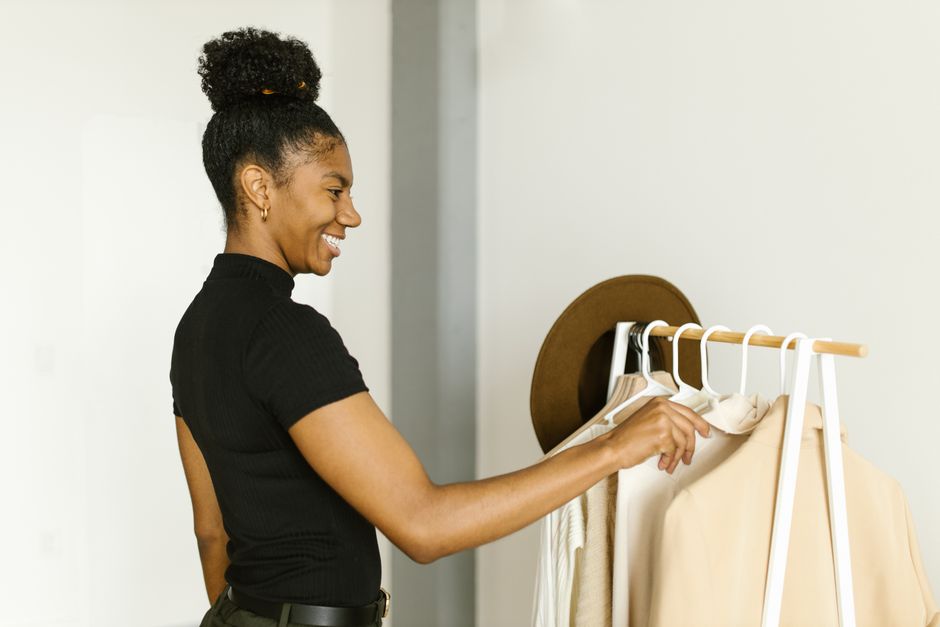

The fastest way to build an ethical wardrobe is to stop treating it like a shopping challenge. Buy less, keep what already works, repair before replacing, and set a clear standard for new clothes. That approach saved me more money than a closet full of expensive “sustainable” labels ever could.
My biggest change was not finding a perfect brand. It was learning how to judge a garment before paying for it. The checks below helped me avoid greenwashing, reduce impulse purchases, and create a wardrobe that works for real mornings, workdays, weather changes, and special events.
Why an ethical wardrobe needs a limit, not a perfect score
An ethical wardrobe starts with a simple fact: every new garment uses materials, energy, labor, transport, and money. A new item can have better fabric and stronger labor standards, but buying it when you already own five similar pieces still creates extra demand. The most responsible garment in my closet became the one I did not need to replace.
The real problem was overbuying, not a lack of eco labels
Before changing my habits, I used ethical language to justify shopping. I bought organic cotton tops in colors I rarely wore, then searched for another “better” version when the first one felt slightly wrong. The label changed, but the behavior did not. I still had a crowded closet, unused clothes, and a long list of new purchases I believed would complete it.
A smaller wardrobe lowers the pressure on every later decision. If you own two reliable white shirts instead of seven average ones, you can spend more time checking where the fabric came from, how the factory operates, and how long the shirt will fit your life. That is a stronger ethical result than collecting certifications without changing your volume of buying.
My three-part standard for new clothes
I now approve a purchase only when it passes three tests: the item solves a real gap, the maker provides useful information about materials and production, and I can picture wearing it at least thirty times. The third test matters because a low-impact fabric cannot rescue a garment that stays at the back of the closet.
My verdict: reduce demand first, then improve the quality of what replaces worn-out pieces. A perfect score is impossible, but a strict buying limit creates a measurable improvement every month.
How I audited my closet before buying anything

The first useful step took less than an hour. I placed every garment into four groups: wear weekly, wear sometimes, repair or alter, and release. I did not start by judging fabric content. I started with evidence: what I actually wore during the last season, what made me uncomfortable, and what stayed untouched.
A practical closet audit sheet
Use a note on your phone or a sheet of paper. Count each category before making a wishlist. This sample shows the level of detail that helped me see the problem clearly.
| Category | Sample count | Keep now | Next action |
|---|---|---|---|
| Everyday tops | 12 | 7 | Repair 2, release 3 |
| Jeans and trousers | 7 | 4 | Tailor 1, stop buying |
| Knitwear | 6 | 3 | Replace one damaged piece later |
| Work dresses | 5 | 3 | Keep all three in rotation |
| Shoes | 8 | 5 | Resole 1, donate 2 |
Separate a genuine gap from a shopping mood
A genuine gap creates a repeated problem. For example, if you commute in rain twice a week and own no water-resistant outer layer, that is a useful purchase category. A shopping mood sounds different: “I want something fresh,” “this color is trending,” or “I deserve a treat.” Those feelings are real, but they do not prove that your closet needs another item.
My rule became a fourteen-day waiting list. If I still needed the garment after two weeks, I checked my existing clothes again, searched for secondhand options, and reviewed the maker’s supply-chain information. This pause removed most impulse purchases before they reached checkout.
How to test an ethical clothing claim
Trust traceable information over green wording. Words such as conscious, responsible, clean, and planet-friendly can appear without a clear definition. A useful claim tells you what the garment is made from, where it was cut and sewn, and which standard supports the claim.
- Check the fiber breakdown. Look for precise percentages instead of a vague phrase such as eco fabric. Organic cotton should identify a recognized standard such as GOTS when the brand makes a certification claim. Recycled polyester should state the recycled content, not only show a green leaf icon.
- Check factory information. A brand does not need to publish every worker’s name, but it should explain where production happens and how it monitors factories. Clear supplier lists, wage commitments, and repair programs are stronger evidence than a page filled with general promises.
- Check the care burden. A delicate item that requires frequent dry cleaning may create more cost and hassle than a durable machine-washable alternative. Read the care label before buying. The best ethical garment is one you can maintain with the time, equipment, and budget you actually have.
- Check the price against the use. A higher price does not automatically prove fair pay or better quality. Divide the cost by the number of wears you expect. A $200 pair of jeans worn 100 times costs $2 per wear; a $40 pair worn four times costs $10 per wear.
Real products that passed my practical test
For a warm layer, the Patagonia Better Sweater 1/4-Zip, usually priced around $139, is a strong pick when you will wear it often and want a repair-minded brand. For denim, the Nudie Jeans Lean Dean, often around $200, makes more sense for someone who wants free repair support and a long-term fit. People Tree organic cotton dresses, often priced in the $120 to $180 range, suit shoppers who want certified organic fibers and clear ethical-fashion positioning.
My winner is Nudie Jeans for everyday denim. It costs more at checkout, but the repair service changes the ownership model. Do not buy it if the cut does not fit your body or if you rarely wear jeans. An ethical brand cannot turn an unused garment into a good purchase.
Which ethical swaps paid off in my wardrobe

The best swap was a repairable everyday layer, not a dramatic closet makeover. I replaced items only after they failed, then chose one product that could handle repeated wear. That kept the product share of my spending close to thirty percent while most of my progress came from care, alteration, and fewer purchases.
| Wardrobe need | Product example | Approximate price | Best use |
|---|---|---|---|
| Everyday sneaker | Veja Campo | $175 | Clean casual outfits and regular walking |
| Warm sweatshirt | Pangaia 365 Hoodie | $115 | Travel, weekends, and layering |
| Silk base layer | Eileen Fisher washable silk tank | $198 | Work outfits and low-bulk layering |
| Repaired denim | Nudie Jeans Lean Dean | About $200 | Frequent wear with repair support |
Choose the swap that removes the most waste
If your shoes are uncomfortable, start there. A pair you avoid wearing creates more waste than an old shirt that still works. The Veja Campo is my pick for a simple everyday sneaker because its plain shape works with trousers, dresses, and jeans. Do not buy it for long-distance walking if you need running-shoe cushioning; choose a purpose-built performance shoe and keep it for as many seasons as possible.
Spend more only on the item you will repeat
The Eileen Fisher washable silk tank is a better investment for someone who wears silk under jackets every week. It is a poor choice for someone who dislikes hand washing or rarely dresses for work. The Pangaia 365 Hoodie is easier to justify for frequent casual wear, but a secondhand sweatshirt is the better option if you already own a comfortable one.
The clear rule is simple: buy the strongest solution to a repeated problem. Do not buy an ethical product just because its story sounds good.
What failed, and how I changed the rules
Did I replace everything too quickly?
Yes. My first mistake was treating old clothes as evidence of personal failure. I donated usable pieces and bought replacements with better labels. That created waste and emptied my budget. The correction was to keep anything that fit, felt comfortable, and could still serve a purpose. Ethics starts with extending use.
Did natural fiber always mean a better choice?
No. Cotton, linen, wool, and hemp can be useful materials, but the growing method, dyeing process, distance traveled, and garment lifespan still matter. I stopped judging a piece by one fiber name. A durable recycled blend that I wear for years can be a smarter choice than a delicate natural-fiber item that needs constant replacement.
What was the most expensive mistake?
Buying for an imaginary lifestyle. I purchased polished clothes for events I rarely attended and technical layers for trips I never planned. Now I match purchases to my calendar, climate, commute, and laundry routine. If a garment needs a fantasy version of my life to become useful, I leave it in the shop.
My verdict: repair, alter, borrow, or buy secondhand before replacing a serviceable item. That rule produced bigger gains than chasing a perfect material list.
What a fully ethical wardrobe means in practice

A fully ethical wardrobe is not a closet where every label is flawless. It is a wardrobe managed with clear limits. I know what I own, I maintain it, I question new claims, and I buy only when a specific need remains after a waiting period.
The routine I follow now
- Review the closet at the start of each season.
- Keep a repair list and book alterations before shopping.
- Use a fourteen-day waiting period for non-essential purchases.
- Search secondhand marketplaces before buying new.
- Read the fiber, factory, care, and return information.
- Choose one durable item instead of several cheaper substitutes.
- Track cost per wear for expensive purchases.
The recommendation I would give a friend
Start with one category that causes daily frustration, such as jeans, shoes, or work layers. Audit it, repair what you can, and replace only the weakest item. For most people, Nudie Jeans is the strongest ethical denim choice because repair support gives the garment a longer useful life; for a sneaker, Veja Campo is the better simple-style pick when the fit works and the shoe matches your actual walking needs.
Build slowly, keep wearing what already works, and let proof guide your spending. That is the most realistic path to an ethical wardrobe: fewer purchases, better questions, and clothes that stay in use.