

The easiest way to layer a sweater under a coat without looking padded is to control three things in order: fabric thickness, sleeve space, and coat shape. Start with a fine-gauge sweater, keep the sweater hem close to your body, then choose a coat with at least 2 inches of extra room across the chest. A bulky outfit usually comes from one tight layer trapping another, not from wearing too many layers.
How to Build a Warm Layering System Step by Step

- Choose the base layer first. Wear a close-fitting T-shirt, long-sleeve tee, or thin thermal top. The base layer should end smoothly at the waistband and should not have thick seams across the shoulders.
- Pick one sweater with a defined shape. A crew neck or shallow V-neck is the safest choice under most coats. Keep the shoulder seam close to your natural shoulder and avoid a dropped shoulder when the coat already has an oversized cut.
- Check the sleeve stack. Pull the base layer sleeve fully down before putting on the sweater. Then pull the sweater cuff flat. Two layers of wrinkled fabric at the wrist can make the coat sleeve feel tight even when the chest fits.
- Put on the coat without tugging. Slide your arms in slowly, one at a time. If the sweater rides up, take the coat off, smooth the sweater from the waist toward the shoulders, and try again. Do not keep tugging at the coat collar; that only moves the trapped fabric upward.
- Test the closed coat. Zip or button it, sit down, reach forward, and raise your arms. If the hem rises more than 3 inches when you sit, the coat may be too narrow through the hips or too short for the sweater length.
- Finish with one controlled accessory. Choose a thin scarf, compact gloves, or a narrow belt. A large scarf wrapped several times adds more neck and shoulder volume than most people expect.
Use the one-thick-layer rule
Keep only one layer visibly thick. If the sweater is heavy, make the coat smooth and unstructured. If the coat is padded or double-faced, use a fine sweater. This rule keeps warmth while preventing the shoulders and torso from competing for space.
Keep hems from fighting each other
The base layer should stay hidden under the sweater, and the sweater should either sit fully inside the coat or extend only 1 to 2 inches below it. A long shirt hem below a short sweater creates a stepped outline that makes the outfit look untidy. Tuck only the front of a thin base layer if the fabric keeps bunching at the waistband.
Which Sweater Fabrics Work Best Under a Coat?
The best fabric is not the warmest fabric on its own. It is the fabric that gives enough insulation while staying flat at the shoulders and underarms. For most wardrobes, fine merino is the strongest all-round choice because it regulates temperature, resists odor, and packs down better than thick wool. Cashmere feels soft and warm but needs careful handling and can stretch at the elbows. Cotton is easy to wash but loses warmth when damp.
| Sweater example | Useful specification | Best coat pairing | Main tradeoff |
|---|---|---|---|
| Uniqlo Extra Fine Merino Crew Neck | 100% fine merino wool; slim, fine-gauge knit | Single-breasted wool coat | Can show shoulder lines if the size is too small |
| J.Crew Cashmere Crewneck | Lightweight cashmere; smooth knit surface | Structured topcoat or trench coat | Needs gentle washing and careful storage |
| COS Fine-Knit Merino Wool Sweater | Fine merino knit; clean, minimal shape | Relaxed straight coat | May feel less warm than a dense knit |
| Lands’ End Supima Cotton Turtleneck | Soft Supima cotton; close neck and smooth surface | Roomy parka or quilted coat | Less insulating in wet, cold weather |
Choose merino for the widest range of temperatures
For commuting, travel, and indoor-outdoor days, the Uniqlo Extra Fine Merino Crew Neck is the clearest practical pick from this group. Its fine knit gives warmth without the raised texture of a cable sweater. A medium or large coat can usually cover it without visible bunching. Choose the sweater size that skims the body; sizing up can add folds at the waist.
Choose cashmere for softness, not for heavy layering
The J.Crew Cashmere Crewneck works best under a coat with smooth lining and enough chest room. It is a poor match for a tight coat because friction can pull at the knit and compress the fibers. For a soft, polished outfit, pair it with a structured wool coat and a thin base layer instead of adding a second sweater.
Choose cotton when easy care matters most
The Lands’ End Supima Cotton Turtleneck is useful for mild winter weather and indoor settings where a wool sweater feels too warm. It gives a clean neckline under a coat and creates less surface friction than a fuzzy knit. It is not the right pick for freezing rain or long outdoor walks because cotton holds moisture close to the skin.
Common Layering Problems and Their Fast Fixes
Why does my coat pull across the chest?
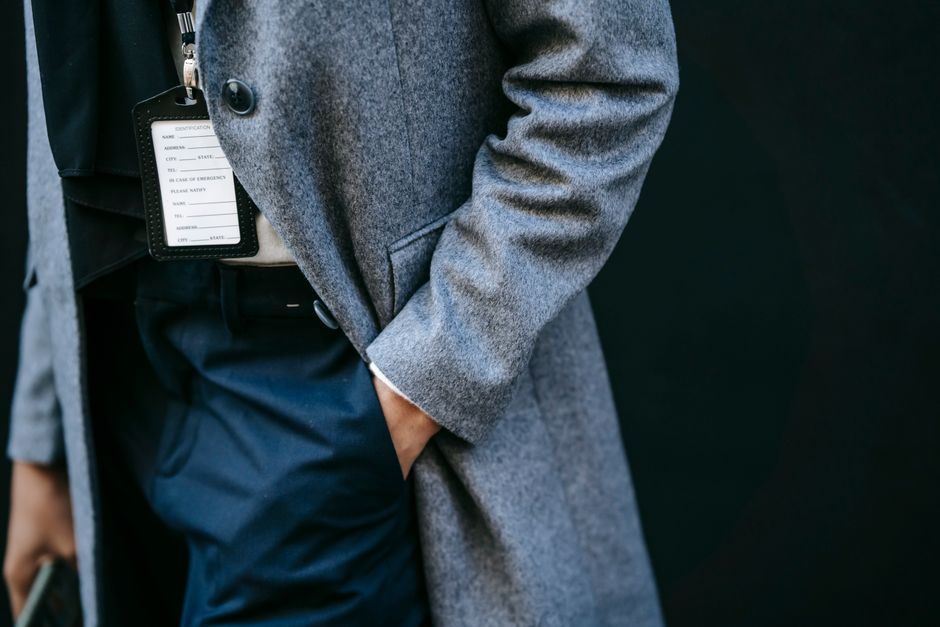
The sweater is probably too wide at the shoulder or the coat has too little chest ease. Remove the sweater and try the coat over a thin shirt. If the coat still pulls, the coat is the problem. If it closes smoothly, replace the sweater with a finer knit or choose one size smaller while keeping enough room to move.
Why do my sleeves bunch up?
Most sleeve bunching starts with the base layer. A loose shirt sleeve gets pushed toward the elbow as you put on the sweater, then the sweater pushes it higher when the coat goes on. Smooth each sleeve before adding the next layer. Thumb-hole thermals can help keep the base sleeve flat, but avoid thick cuffs under a narrow coat sleeve.
Why does the sweater ride up at the back?
A coat with a slippery lining can lift the sweater as you walk. A sweater that is too short or too tight at the hips can do the same. Choose a hem that reaches the upper hip, pull it down before closing the coat, and keep the base layer tucked smoothly. If the problem remains, wear a longer coat or switch to a sweater with side vents.
When should you not wear a sweater under a coat?
Skip the sweater when the coat is already heavily insulated, when the indoor destination is warm, or when the coat cannot close without strain. A thin thermal top under a lined coat often feels warmer and looks sharper than forcing a thick knit into a narrow silhouette. More layers do not automatically create more comfort.
The Best Simple Formula for a Streamlined Winter Outfit
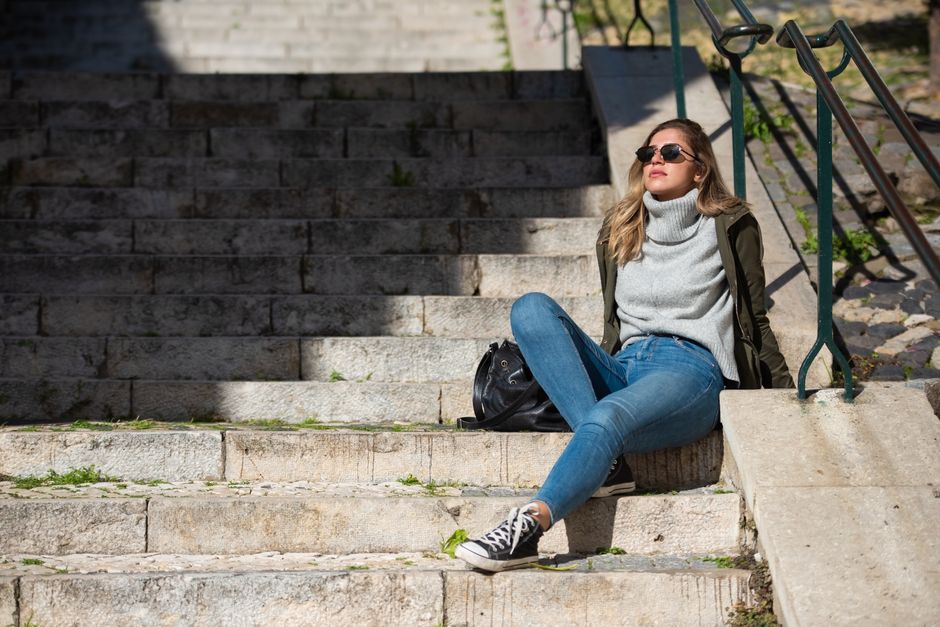
My strongest recommendation is a fine merino sweater under a straight, lightly structured coat. This combination handles the most situations, gives your arms room to move, and keeps the outfit warm without relying on oversized layers. Use a close base shirt, one fine sweater, and one coat with measurable space across the chest.
For commuting and daily errands
Wear a thin long-sleeve base layer, a fine-gauge crew neck, straight-leg trousers, and a single-breasted wool coat. Keep the sweater hem at the upper hip and the coat length near the knee. This creates a long vertical line and avoids fabric gathering at the waist when you sit on public transport.
For very cold outdoor days
Use a thin thermal base, a fine merino sweater, and a roomier insulated coat. Add warmth through a hat, gloves, and neck coverage instead of adding a second bulky sweater. Your hands, head, and neck lose comfort quickly in cold weather, but those accessories do not compress your torso or restrict your shoulders.
For a polished office outfit
Choose a smooth sweater in navy, charcoal, cream, or black, then match it with a coat that has a clean front and minimal hardware. Avoid combining a textured sweater, statement scarf, and oversized coat in one outfit. One visible texture looks intentional; three can look crowded.
The single most important rule is simple: match a fine sweater with enough coat room to move, because a smooth fit keeps you warmer and looks better than forcing a thick knit into a narrow coat.