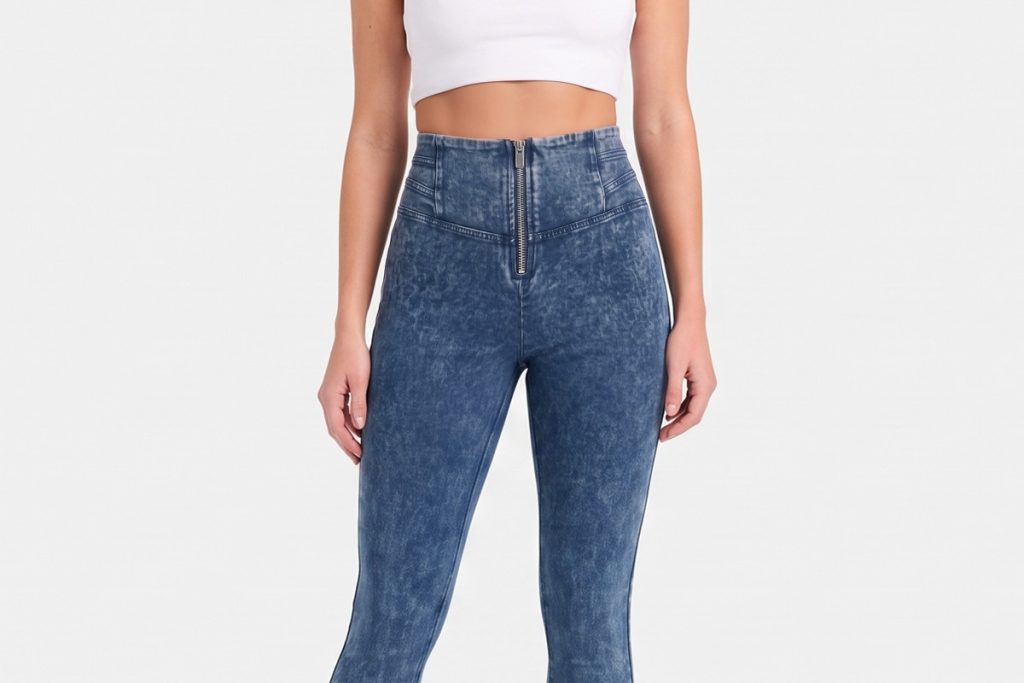

Rise is not only a measurement at the waist. It changes how long the torso appears, where a jacket ends and whether a top can be tucked without turning the centre of the outfit into a crowded zone.
Trouser shopping often begins with the size label and ends with the rear-view mirror. That leaves the most influential part of the cut underexamined. Rise determines where the garment begins, how the waistband meets the body and how much visual space remains between the waist and the neckline. Two trousers with similar legs can produce completely different outfits because one begins several centimetres higher.
Freddy's current range includes corset waists, high-rise fashion trousers, mid-rise denim and shorter lengths, which makes the proportion changes easy to compare. The point of this check is not to declare one rise universally flattering. Bodies, comfort and clothing layers differ. The useful outcome is knowing what each rise asks from the rest of the outfit.
Take the check beyond a standing pose. Sit, walk, reach, add the jacket you expect to wear and try the top tucked, half-tucked and untucked. A waistband that looks precise for thirty seconds may become the reason the outfit is abandoned after lunch. Fit has to survive the day it was bought for.
Mark the natural waist before reading the label
High, mid and low rise are relative terms. Brands measure differently, and the same labelled rise can land in different places depending on torso length and body shape. Begin by finding the narrowest or most comfortable bending point of your torso. Tie a soft ribbon there or note where the body creases when you lean sideways. That reference is more useful than the category printed on the tag.
Put on the trousers and measure the visual gap between the waistband and that reference point. A waistband above it can shorten the visible torso and lengthen the leg line. One below it leaves more torso visible and may reduce pressure around the upper abdomen. Neither effect is automatically better. The question is whether it supports the proportions of the tops and outerwear you actually own.
Check the side seam. If the front waistband appears level but the side pulls sharply upward or downward, the rise may be fighting the body's shape. Sizing up does not always solve this because extra width and different rise are not the same adjustment. Compare another cut before deciding the problem is your body or the size chart.
A corset waist becomes the centre of the outfit
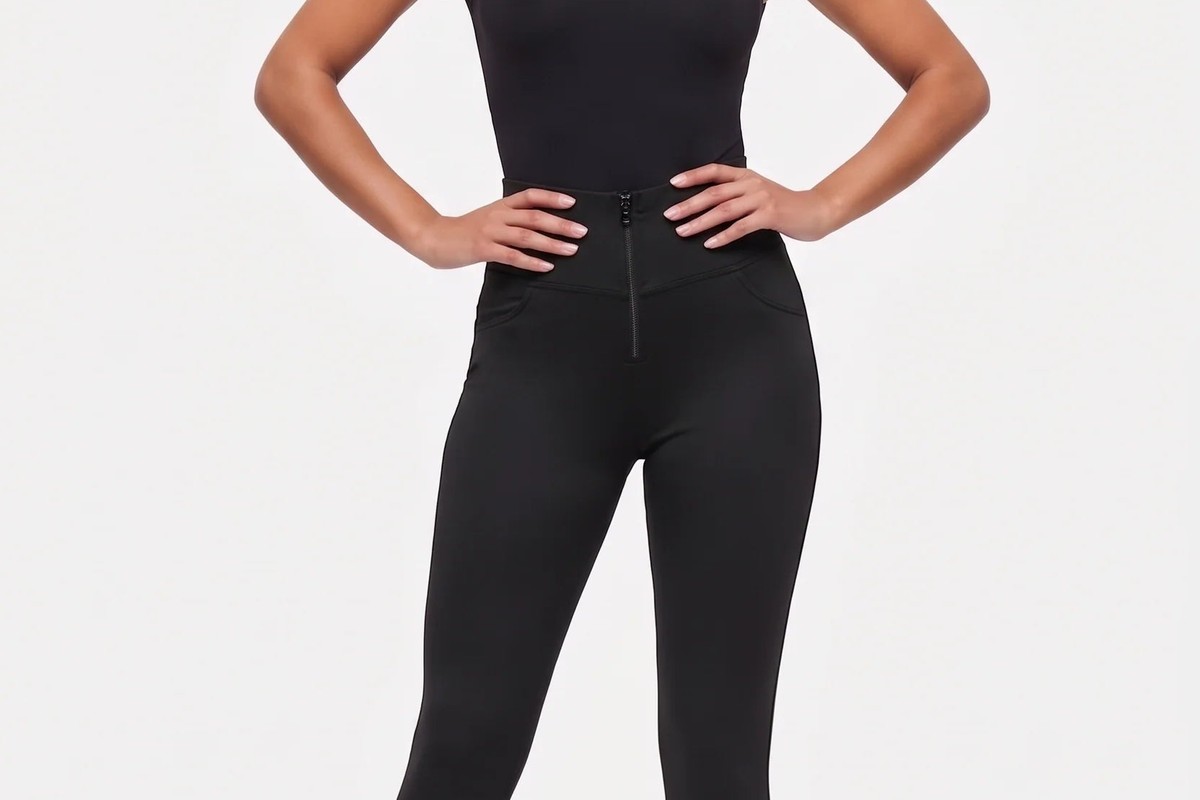
A shaped or detailed high waistband is not background structure. It is a visible design element, especially when the top is tucked. Treat it as the centre of the outfit. A plain fitted knit, compact T-shirt or clean shirt lets the line read. Adding a wide belt, bulky hem and short jacket at the same point can create several competing boundaries around the middle.
Notice where the waistband ends relative to the lower ribs. If it sits very high, test deep breathing and a seated position. A secure feeling is useful; restriction that changes your posture is not. Sit for several minutes rather than performing one quick bend. Pressure often appears after the fabric and body settle.
Outerwear length matters. A jacket ending exactly at the top edge can emphasise the waist, while one ending just below it may create a smoother continuation. This is not a shoe or hem question; it is about stacked horizontal lines. Photograph both jacket lengths and choose the version with the clearest centre.
Mid rise gives layers more negotiation room
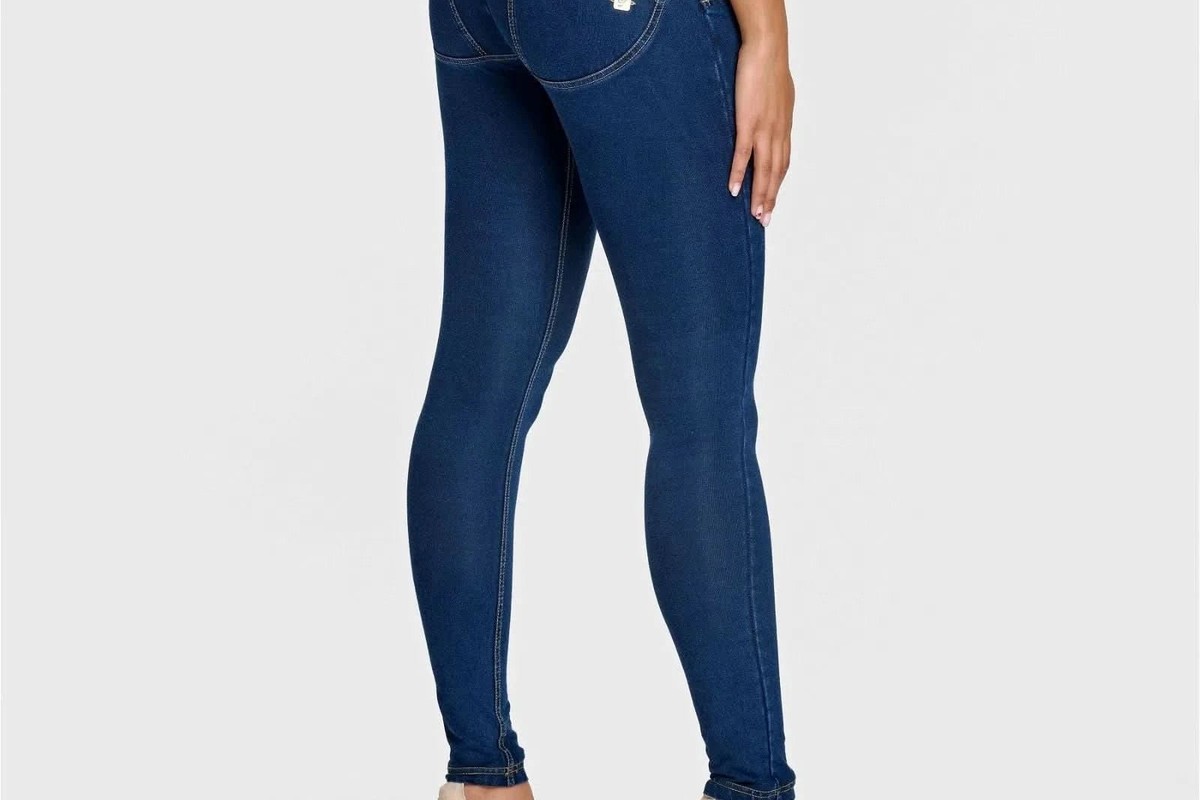
Mid-rise trousers often look less dramatic in the fitting room, but they can be easier to integrate. The waistband sits away from the lower ribs, a knit can overlap without forming a thick ridge, and a jacket at the natural waist does not meet another strong line in the same place. That flexibility is useful when outfits depend on layers rather than a tucked top.
Test the back rise while seated. Some mid-rise cuts feel comfortable at the front but pull downward behind when the knees bend. Sit on a firm chair, lean forward as if tying a lace, and check whether the waistband remains secure. The test is private and practical; it tells you more than repeatedly smoothing the fabric while standing.
If the mid rise makes the torso look longer than intended, do not immediately add a belt. First adjust the top length. A hem ending a little higher or a partial tuck may restore proportion without introducing another accessory line. The rise is one part of the composition, not a problem that always needs decoration.
Shorter lengths amplify the rise decision
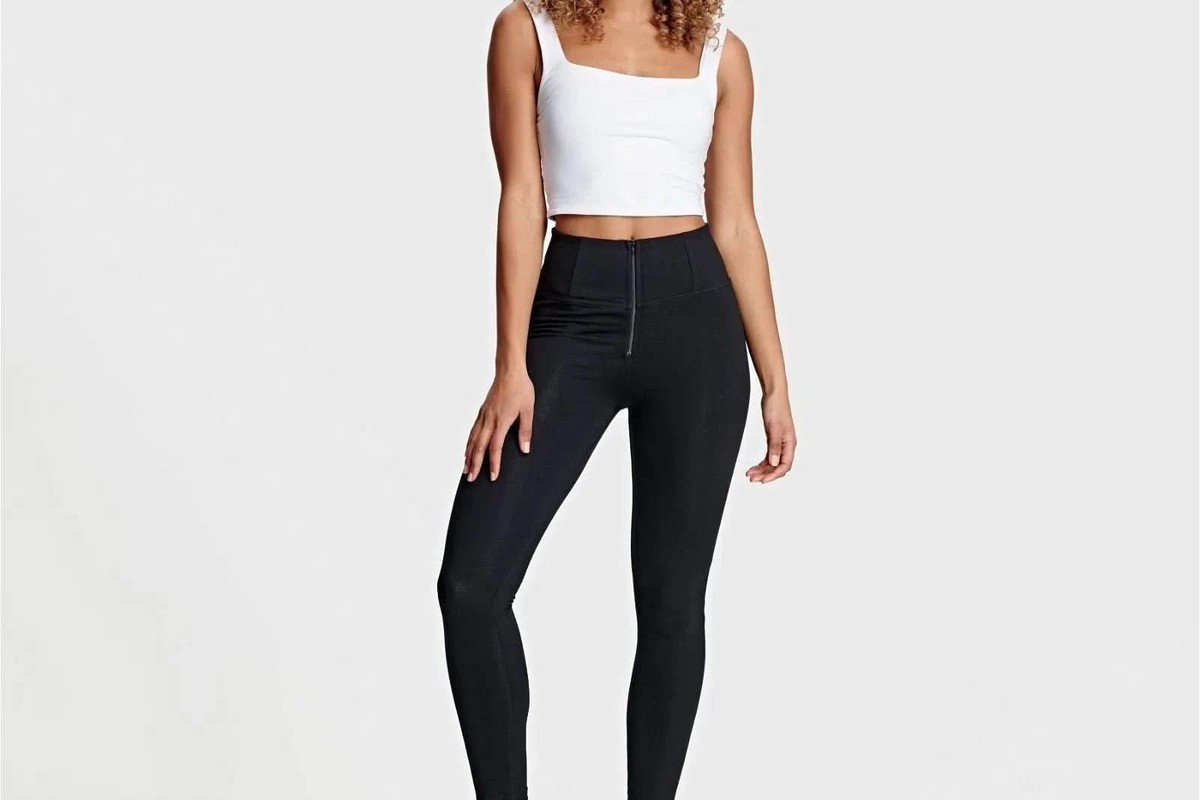
Seven-eighth and capri lengths reveal the ankle or lower leg, which changes the apparent vertical balance. Combined with a high waist, the garment creates a long central column with a deliberate break near the bottom. That can look crisp, but it also means the exact landing point becomes more noticeable than on a full-length trouser.
Judge the rise and length together in the mirror. Cover the lower break with a longer sock or boot and the high waist may feel more dominant. Show more ankle and the eye moves between the upper and lower boundaries. The trousers are producing two proportion signals at once, so it is misleading to evaluate the waistband in isolation.
Walk around the fitting area and watch whether the shorter leg climbs or twists. Movement can turn a carefully chosen crop into an uneven line. If the fabric repeatedly catches at the calf, the issue may be leg width rather than rise. Compare a different cut before changing size.
Use the three-position comfort check
Every candidate should pass three positions: standing naturally, sitting for several minutes and reaching upward. Standing shows the intended line. Sitting reveals pressure and back-rise security. Reaching shows whether the waistband and tucked layer travel together or separate. A trouser that only succeeds in the first position is a photograph, not a working garment.
Bring the underlayer you wear most often. Seamless underwear, a tucked shirt and a bodysuit can each change how a high waist feels. The fitting room's temporary styling may hide the friction or bulk that appears at home. Test the real combination before removing tags or planning alterations.
Record the useful facts, not a judgement about your body: waistband sits one centimetre above natural waist, comfortable after five minutes seated, jacket hem collides with top edge. Those notes make comparison possible across cuts and brands. They also prevent a vague feeling of failure from following you into the next fitting room.
Check where the top and jacket finish
The rise changes the apparent length of every layer above it. A top that finishes directly on the waistband can create a clean meeting point, while one ending a few centimetres lower may divide the torso at an awkward place. Try the trousers with the top untucked before deciding that tucking is required. Sometimes the simpler correction is a different top length rather than a more complicated styling method.
Outerwear adds another horizontal line. A cropped jacket can reinforce a higher rise and make the waist the clear centre of the outfit. A longer blazer may soften that emphasis, but only if its hem falls beyond the widest part of the waistband without bunching. Button the jacket, leave it open and sit down in both positions. The best combination should not depend on holding the layers in one carefully arranged pose.
Use the side view for this check. From the front, matching dark colours can hide several competing endpoints. The side reveals whether the top, waistband and jacket are stacking into a thick band. If three edges meet within the same narrow area, move one of them. That small adjustment often improves the outfit more than changing the trouser size.
Choose the rise that supports your existing layers
The best rise is the one that works with the torso, the intended top and the outer layer while remaining comfortable through sitting and movement. High rise can create a strong, clean centre; mid rise can make layering easier; shaped waists can become the main design feature. Each asks for a different supporting cast.
Freddy's range offers enough variation to run the comparison rather than guessing from a label. Use the natural-waist reference, test the three positions and judge the waistband as part of the whole vertical line. The right answer should make several outfits easier, not only one mirror angle more impressive.