
Listen, I’ve been through enough sandals to outfit a small village. I’ve wasted money on flimsy pairs, suffered through painful arches, and nearly taken a tumble more times than I care to admit. When you’re my age, comfortable and safe footwear isn’t just a preference; it’s a necessity. Forget those cute, minimalist straps or ultra-flexible soles. What you need are sandals that actively support your feet, help with stability, and keep you from slipping. I’m telling you, after all this time, I know what works and what doesn’t. And I’m not shy about sharing my picks for 2026.
My number one rule? Prioritize stability and support over everything else. That means a rigid sole, good arch contour, and secure straps. If a sandal doesn’t offer these, it’s not worth your time or your money, no matter how stylish it looks.
Forget Flexibility: Why a Stiff Sole is Your Best Friend (And What I Look For)
I cannot stress this enough: a truly flexible sandal is your enemy, especially as you get older. I see so many people falling for the idea that “flexible” equals “comfortable.” It rarely does for feet that need support. What you end up with is a shoe that forces your foot to do all the work, leading to fatigue, pain, and instability. Your foot needs a stable platform, not a hammock.
I’ve learned to test a sandal’s sole rigidity right in the store. Try to twist it. If it twists like a dish rag, put it back. Then, try to bend it in half. It should only bend at the ball of the foot, not in the middle. If it bends too easily or in the wrong place, it offers zero support for your arch and midfoot. This lack of structure leads to overpronation, which can cause knee, hip, and even back pain.
The Truth About Flexible Soles
A truly supportive sole, like those found in a good pair of Birkenstock Arizona sandals (expect to pay around $110-$150), is stiff. It’s designed to hold your foot in its natural position, distributing pressure evenly. The cork footbed molds to your foot over time, giving you custom support without being flimsy. This isn’t about cushioning; it’s about structural integrity. Too much soft cushioning can actually be detrimental, making you feel less grounded and stable. You want firm, resilient support, not something that compresses instantly.
My Pick for Uncompromising Stability: Aetrex Jillian Quarter Strap ($130)
When it comes to absolute, uncompromising stability, I always recommend looking at brands like Aetrex. Their Aetrex Jillian Quarter Strap sandals (typically around $130) are built like tanks in the best possible way. The Lynco orthotic footbed offers serious arch support and rearfoot stability. These aren’t the trendiest sandals, but they keep your feet happy and reduce strain. They prevent that wobbling feeling you get with less supportive shoes, which is crucial for preventing falls. The straps are also wide and adjustable, ensuring your foot stays put.
My Top Picks for Arch Support That Actually Works

If you have flat feet, high arches, or anything in between, good arch support isn’t optional. It’s mandatory. I’ve spent years chasing that perfect arch, and I can tell you, many brands claim it, but few deliver. You need something that cups your heel, supports your arch firmly, and doesn’t flatten out after a few weeks.
- Skechers Arch Fit Sandals: A Game Changer (Around $65)
I used to think Skechers was just for athletic shoes, but their Arch Fit line has been a revelation. The Skechers Arch Fit Footsteps – Glam Party model (around $65) has a podiatrist-certified arch support system that truly feels different. It’s not just a bump; it actually cradles the arch. I’ve found these incredibly comfortable for long walks, and they’ve held up surprisingly well. For the price, you can’t beat the immediate comfort and legitimate support you get. They’re a fantastic everyday option, especially if you’re on a budget but still need serious arch care. - Vionic: When You Need More Than Just a Little Lift (Starting at $80)
For those with more pronounced overpronation or persistent foot pain, Vionic sandals are often my first recommendation. Their Orthaheel technology is designed by podiatrists to provide biomechanical support. I’ve worn several Vionic styles, including the Vionic Tide II Toe Post Sandals (usually around $80-$90), and they consistently deliver excellent, firm support right where you need it. They realign your foot and ankle, which can significantly reduce discomfort in your knees and lower back. They do take a little breaking in, but it’s worth it. - Oofos: For Recovery and Cushioned Support (About $60)
Okay, these are a bit different. I wouldn’t wear Oofos OOriginal Sandals (around $60) for a long walk, but for around the house or after a day on my feet, they are incredible. Their OOfoam technology absorbs impact, and while they feel very soft, they still offer decent arch support for a recovery sandal. Think of them as a treat for your feet, not your primary walking sandal. They’re excellent for reducing stress on joints.
The Hidden Dangers of Poor Sandal Grip (A Deep Dive)
This is where many sandals fail, and it’s a critical oversight for older adults. A slip and fall can have devastating consequences. I’ve learned to scrutinize the outsole of every sandal I consider. It’s not just about the material; it’s the tread pattern, too. Smooth, flat soles are a red flag. Always.
Think about where you’ll be wearing your sandals. Are you walking on tiled floors? Pavement? Maybe a damp patio? Each surface presents different challenges, and your sandal’s outsole needs to be up to the task. Rubber is generally good, but not all rubber is created equal. You want a substantial, non-marking rubber with a multi-directional tread pattern. Deep grooves and varied patterns help displace water and grip uneven surfaces. Thin, hard plastic or smooth EVA foam outsoles are practically an invitation to slip.
The Material Science of Not Slipping
I’ve seen too many falls that could have been prevented with better shoe choices. Look for outsoles made of high-quality, durable rubber compounds. Some brands, like Keen, are known for their proprietary high-traction rubber. While many of their designs are more rugged, the principles of their outsole construction apply: deep, multi-lugged patterns, and a softer, grippier rubber composition that maintains traction even when wet. EVA foam is lightweight and cushioned, but if it’s the sole material itself, it can be extremely slippery on wet surfaces. Always check if the EVA is covered by a rubber outsole.
Why I Avoid Smooth Rubber Like the Plague
When the tread wears down on any shoe, it loses its grip. With sandals, this can happen faster because the soles are often thinner. I make it a point to regularly inspect the tread on my sandals. If it looks smooth, especially in high-wear areas like the heel and ball of the foot, it’s time for a new pair. It’s a small investment compared to a broken bone. A good rule of thumb: if the outsole doesn’t look like a mini car tire, it’s probably not safe enough. Textured patterns, even small ones, significantly increase friction and reduce the risk of hydroplaning on slick surfaces. Don’t compromise on grip; your safety depends on it.
Don’t Buy Sandal X, Get Sandal Y Instead.
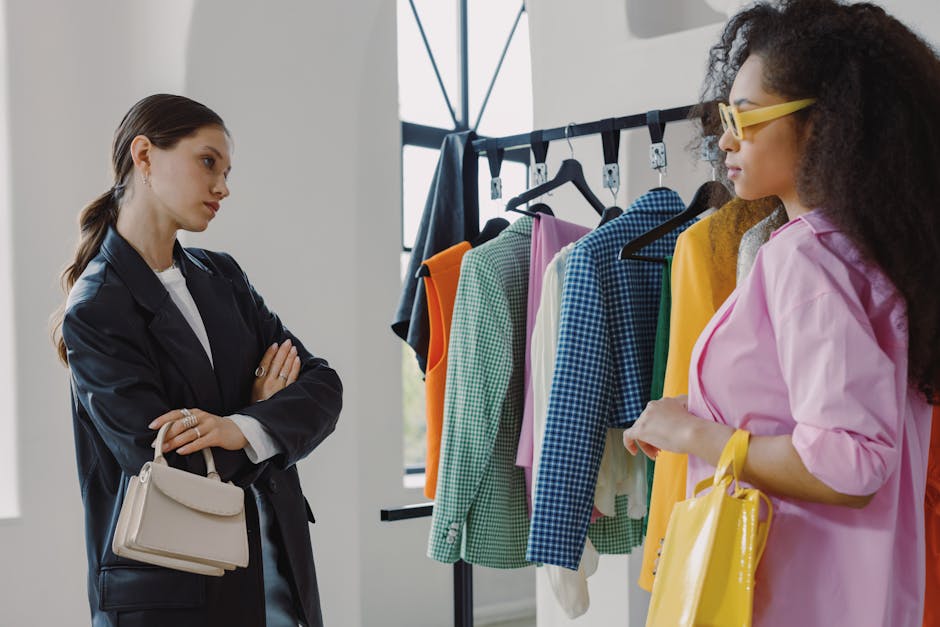
Don’t buy sandals with narrow, decorative straps that offer no real hold; get ones with wide, adjustable straps across the midfoot and ankle that keep your foot securely in place. Flimsy straps lead to unstable footing and can cause blisters.
Common Sandal Mistakes and How to Avoid Them (Q&A)
Over the years, I’ve seen some recurring issues with sandal choices. These are easy to fix once you know what to look for.
How tight should my straps be?
Your straps should be snug, but not constricting. You shouldn’t have your foot sliding around, but you also shouldn’t feel any pinching or rubbing. I like to adjust mine so I can comfortably slip one finger under the strap. This allows for slight swelling throughout the day without becoming too loose or too tight. Adjustable hook-and-loop closures (Velcro) are a lifesaver for this, much better than buckles that offer limited adjustment points.
Can I wear my walking sandals all day?
A good walking sandal, like the Skechers Arch Fit or Vionic models I mentioned, is designed for extended wear. However, even the best sandals allow more movement than a closed-toe shoe. If you plan on being on your feet for an entire day, especially on varied terrain, consider rotating your footwear. Giving your feet a break from one style can prevent fatigue and pressure points. For serious mileage, a supportive walking shoe might still be the better choice.
What about sandals for swollen feet?
This is a common issue, and adjustability is key. Look for sandals with multiple points of adjustment, not just one. For example, a sandal with adjustable straps over both the forefoot and the instep will accommodate swelling much better than a single-strap design. Material matters too; soft, flexible materials that won’t dig in are preferable. Some brands, like Orthofeet, specialize in extra-wide and highly adjustable footwear designed specifically for conditions that cause swelling.
Comfort vs. Style: My Real-World Trade-offs (2026 Comparison)
Let’s be honest, we all want to look good. But when it comes to sandals for elderly feet, comfort and safety absolutely trump fleeting fashion trends. I’ve tried to find that sweet spot over the years, and here’s what I’ve learned about making trade-offs that don’t compromise my well-being. Sometimes, you just have to accept that a truly supportive sandal might not be the daintiest thing in your closet. And that’s okay. A confident stride is far more attractive than a wobbly step.
My Test Criteria for Everyday Wear
When I pick out a sandal, I’m not just looking at how it feels right out of the box. I consider how it performs on different surfaces, how easily I can get it on and off, and how it holds up over time. Durability, ease of use, and consistent support are . I look for sandals that don’t require me to bend over much to fasten them, feature easy-to-grip straps, and have substantial, long-lasting outsoles. Aesthetics come last, always.
Here’s a quick comparison of what I prioritize:
| Feature | My ‘Must-Have’ (Prioritize) | My ‘Nice-to-Have’ (Compromise) |
|---|---|---|
| Sole Rigidity | Firm, unyielding arch and midfoot | Slight give at the ball of the foot |
| Arch Support | Pronounced, contoured, full contact | Moderate, supportive cushion |
| Strap Security | Multiple adjustable points (forefoot, instep, heel) | Two adjustable straps (instep, heel) |
| Outsole Grip | Deep, multi-directional rubber tread | Textured, non-slip synthetic |
| Heel Height | Flat to low wedge (1-1.5 inches max) | Slight platform for cushioning |
| Style | Functional, comfortable design | Neutral colors, classic shapes |
The Verdict on Heel Height
Avoid high heels or anything that significantly elevates your heel above your toes. A slight wedge, no more than 1 to 1.5 inches, can sometimes feel more comfortable than a completely flat shoe because it reduces strain on the Achilles tendon. However, anything higher shifts your center of gravity forward, increasing instability and putting undue pressure on the balls of your feet. I’ve found that a well-designed, low wedge or a completely flat sandal with excellent arch support provides the best balance of comfort and stability.
The single most important takeaway? Invest in your feet; they’re the foundation of your independence.