
Onehunga’s Main Street offers something most shopping precincts don’t: real street style in motion. The mix of independent boutiques, op shops, and the kind of layered personal aesthetic that develops in a neighbourhood with genuine foot traffic means you see frames in actual use — not on a shelf under fluorescent lighting. What photographs well in that environment, or any outdoor setting with natural light and real faces, turns out to be a narrower category than most buyers expect when they walk into a store.
Why Frame Geometry Matters More Than Lens Tint
Most buyers start with color. That’s the wrong entry point.
The frame silhouette — its geometry, proportions, and how it sits relative to your face — is what every camera and every person registers first. Lens tint is a finishing detail. Frame shape determines whether sunglasses read as deliberate or accidental on your face, and whether they scale correctly in a photograph versus how they appear in person during a mirror check.
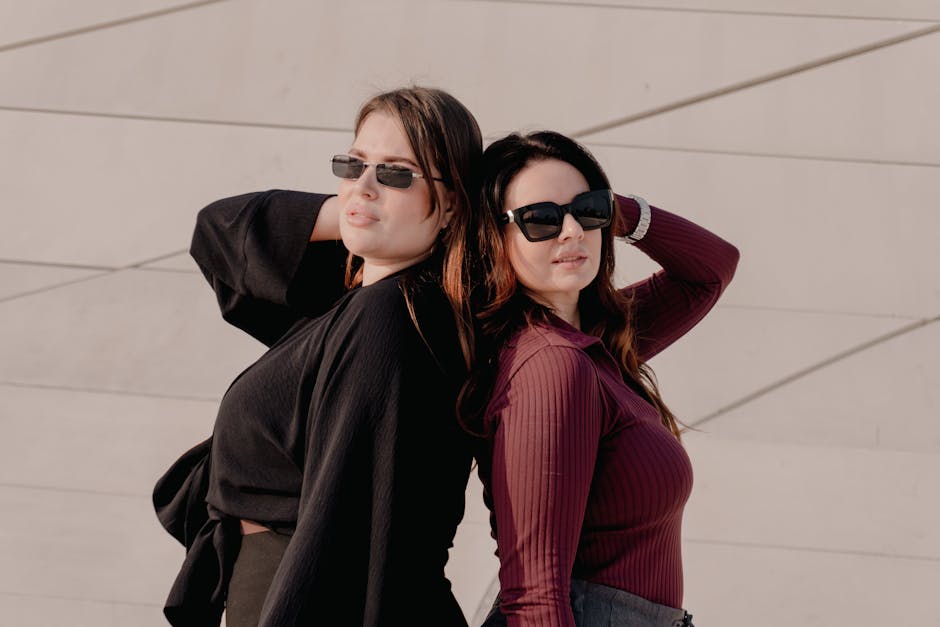
When a camera compresses three-dimensional space into a flat image, proportions behave differently than they do in real life. A frame that feels comfortable and proportional in person can photograph as oversized or narrow depending on how its width compares to your face at its widest point. The working rule: the outer edge of the frame should not extend more than 5–10mm past each side of your face. Wider than that and the frame reads as costume. Narrower and it gets visually lost.
How Bridge Fit Changes What the Camera Sees
A frame that slides down the nose — even slightly — creates the classic peering-over-the-top look in photos. It makes the sunglasses appear too small and the wearer appear caught off-guard. This happens most often with frames designed for a higher, more prominent nose bridge on faces where the bridge is lower or flatter. The result isn’t cosmetic failure on your part; it’s a fit problem built into the frame.
The Ray-Ban Classic Wayfarer RB2140 ($220 AUD) has a bridge that holds position through heat and movement because it’s engineered to, not because the material happens to grip. Many fashion frames at lower price points use bridges that are visually correct in product photography but shift under any real wear condition. Before buying, check that the bridge grips without pinching and that the frame doesn’t tilt when you lower your chin.
Lens Depth vs. Width: The Aspect Ratio Nobody Discusses
Very wide, very shallow lenses — the extreme horizontal style that dominated Instagram feeds from 2019 through 2026 — compress dramatically in photographs. They register as strips across the face rather than frames, and they provide almost no vertical coverage. The proportions that photograph most consistently are roughly square: as tall as they are wide, or close to it. Classic aviators, round frames, and standard cat-eye shapes hold this balance naturally. Extreme horizontal designs do not, regardless of how editorial they look in lookbook photography shot under controlled conditions.
What Mirror Lenses Do to Portrait Photography
Mirror lenses behave differently in every lighting condition. In direct sun, the reflective surface captures the surrounding environment and washes out the wearer’s upper face in photos. In shade or overcast light, they read as flat black and lose visual interest entirely. Unless the mirror finish is part of a deliberate editorial concept, polarized non-mirror lenses in brown, grey, or green photograph the most consistently across conditions. The Le Specs Air Heart in Toffee Tort ($95 AUD) is a good reference point — polarized, medium lens depth, and consistent whether the shot is taken in full Auckland sun or the kind of flat, diffused light you get on a cloudy afternoon along the Manukau Harbour.
The Four Core Sunglass Silhouettes Compared
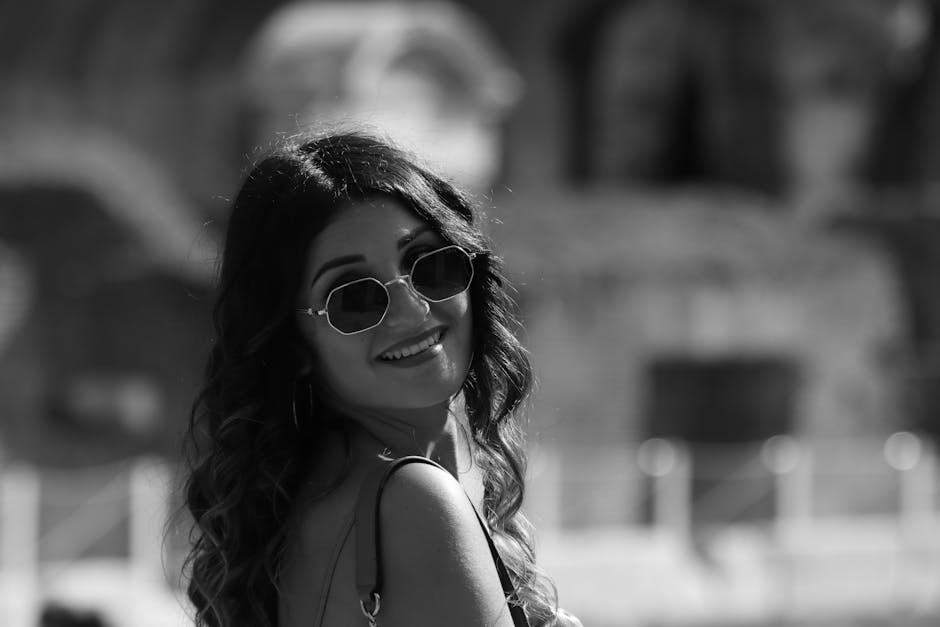
Before narrowing to a specific frame, knowing which category you’re shopping in — and what each silhouette actually delivers — saves time and reduces the chance of an expensive mistake.
| Silhouette | Best Face Shapes | Photographs Well In | Price Range (AUD) | Reference Frames |
|---|---|---|---|---|
| Wayfarer | Oval, heart, oblong | Outdoor casual, natural light | $80–$250 | Ray-Ban RB2140, Quay All In |
| Aviator | Square, round, oval | Most conditions; the most versatile silhouette | $120–$400 | Ray-Ban RB3025, Prada Catwalk |
| Oversized / Cat Eye | Square, diamond, oblong | Full-face portraits, golden hour, editorial | $70–$700+ | Celine Triomphe, Le Specs Bandwagon |
| Round / Circular | Square, angular | Close-up portraits, shade, overcast | $60–$500 | Ray-Ban RB2180, Quay Jezabell |
The aviator is the most forgiving silhouette in this category. It suits the broadest range of face shapes and holds up across more lighting conditions than any other style. The Ray-Ban RB3025 ($210 AUD) in silver or gold is the benchmark because the proportions were specifically calibrated over decades — not arrived at by accident. That’s why it appears in street-style photography from the 1970s and from last week without looking dated in either context.
Cat eye and oversized frames are the highest-risk, highest-reward category. When the proportions work for your specific face, they dominate a photo in the right way. When they don’t, the problem is immediately apparent to everyone looking at the image. Try these silhouettes in person before buying online. A return process is not a substitute for a fitting.
Round frames are frequently bought by people who want to break from the dominant rectangular aesthetic, but they’re the most face-shape-dependent of all four. A round frame on a round face creates visual monotony. On a square or angular face, it creates a genuine contrast that photographs with intention. Buy round frames last, after you understand your face proportions well.
Face Shape Matching: What the Standard Charts Miss
The face shape guide format used by most retailers — round face means angular frames, square face means curved frames — is directionally correct but practically useless. Two people with nominally oval faces can look completely different in the same frame depending on forehead width, cheekbone prominence, jaw definition, and overall face length. The useful breakdown operates at a more specific level.
Wide Foreheads and High Cheekbones
If your face is widest at the cheekbones — a heart or inverted triangle shape — frames that add horizontal visual weight at that level amplify the effect rather than balancing it. Heavy acetate in bold colors at cheekbone height competes with the face structure. Lighter frames with less visual mass work better here. The Oliver Peoples Gregory Peck ($550 AUD) is a round frame with minimal visual weight that doesn’t fight prominent cheekbone structure. Semi-rimless options also perform well in this scenario — the lens is present and functional but the frame itself doesn’t add bulk where the face is already doing the work. Avoid thick acetate cat-eye frames if your cheekbones are already prominent. The combination reads as competing elements rather than a cohesive look.
Flat Nose Bridges and Lower Bridge Profiles
This is the category that most sunglass guides skip entirely, which is why so many people buy frame after frame that never quite sits right. Standard frames are designed for a higher, more prominent nose bridge. For faces with a lower or flatter bridge — common across many East Asian, Southeast Asian, and Pacific Island facial structures — those frames tilt forward and sit too low, creating the over-the-frame effect in every photo.
The fix is not about face shape — it’s about bridge fit. Quay Australia builds several frames for lower bridge profiles. The Quay High Key Mini ($75 AUD) is specifically designed with this bridge geometry in mind. Japanese optical brands including BJ Classic and Masunaga build with the same consideration at higher price points ($300–$500 AUD). If multiple frames have all sat wrong in the same way, the bridge fit is the problem — not your face.
Narrow Faces and Small-Scale Features
Oversized frames on narrow faces read as editorial when the sizing stays within the temple width. Once the frame extends past the temples, it becomes impractical in motion and reads as costume in any photograph. For narrow faces wanting a larger frame aesthetic without losing wearability, the Le Specs Mama Mia ($90 AUD) is a better starting point than generic oversized options — it photographs as substantial without the frame scaling to an impractical size. The opposite mistake — buying frames that are too small in an attempt to appear subtle — also fails in photography. Undersized frames look forgotten, not considered.
Five Frames That Hold Up Outside of Product Photography
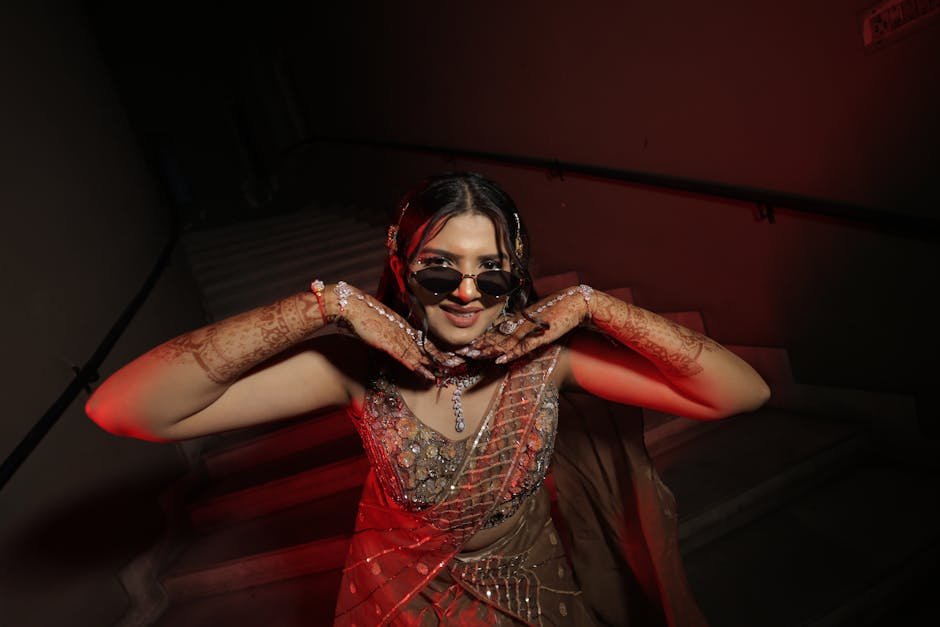
These aren’t picks based on lookbook shots or controlled studio lighting. They’re frames that appear repeatedly across street-style photography because they work in actual conditions: movement, variable light, and real faces.
Ray-Ban Wayfarer Classic RB2140 ($220 AUD) is the most photographed sunglass frame produced. The trapezoid shape broadens narrower faces without overwhelming them, the acetate construction holds color over years of use, and the frame holds its position because the bridge is properly engineered. Available in over 30 colorways. Black or classic tortoise are the two that don’t date. Every other colorway is a secondary purchase.
Le Specs Air Heart ($95 AUD) is the strongest value option in 2026. The heart-shaped lens with moderate size photographs well without demanding editorial styling to make it land. The polarized version adds $10 and is worth it for outdoor use. Toffee tort or black honey are the practical colorway choices — both hold their appearance across lighting conditions that other colorways don’t survive.
Celine Triomphe CL40194U ($580 AUD) is an investment piece that has held its visual relevance since 2018. The metal bar detail across the lens is subtle enough that it doesn’t age the way logo-heavy frames do. Best for oblong or square faces. The black acetate version is the most versatile across outfit contexts. It’s the frame that appears in Onehunga street-style photography alongside both vintage finds and new season pieces without creating a period conflict.
Quay High Key Mini ($75 AUD) is the entry-level pick for people who want something current without committing significant budget. The Mini scale photographs better than the original High Key, which reads as large in photos even when it doesn’t feel oversized in person. Worth buying if you want a fashion frame without the risk of a large investment.
Miu Miu Runway 04ZS ($620 AUD) is the statement frame for 2026. The geometric acetate silhouette is distinctive without being novelty. It photographs particularly well in warm golden-hour light — the thick frame edges catch tones in a way that thinner frames don’t. Not an everyday frame. For everyday wear across all conditions, the Ray-Ban Wayfarer is still the answer. For one frame that stops a scroll, the Miu Miu Runway is it.
The Tint Mistake That Shows Up in Every Outdoor Photo
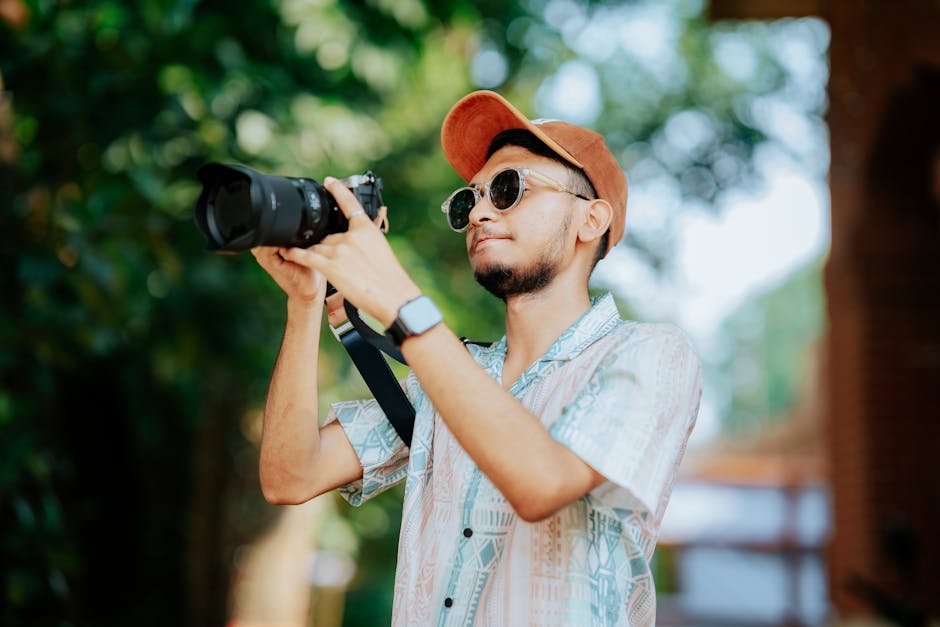
Yellow and blue-tinted lenses create skin-tone problems in outdoor photography that are invisible under retail store lighting — yellow lenses shift skin tones toward green in natural light, and blue lenses add a cold theatrical cast that reads as costume regardless of how well-styled the rest of the outfit is. Brown, grey, and green tints photograph true across conditions. If the frame you’ve found fits and suits your face shape, buy it in a neutral lens first. Tinted lenses are a second-frame decision — not a starting point.