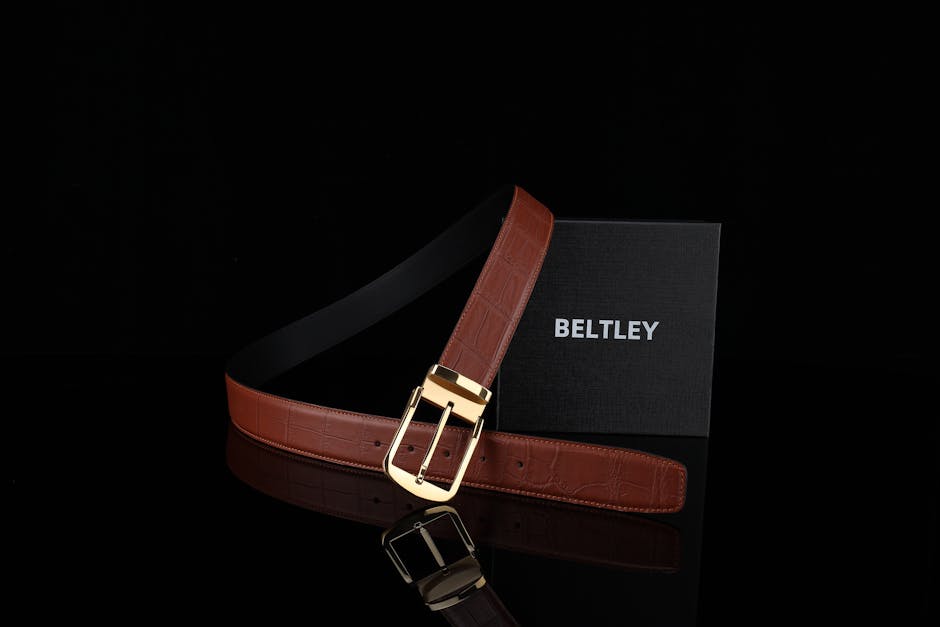

Did you know that over 60% of people wear belts that are the wrong size? It’s a staggering figure, often leading to discomfort, poor garment fit, and a compromised overall aesthetic. A belt might seem like a minor accessory, but its impact on your appearance and comfort is substantial. Choosing the right one goes far beyond just picking a color.
Imagine this common scenario: You’ve put together a sharp outfit. The shirt is pressed, the trousers fit well, and the shoes are polished. Then you add your belt. Perhaps it’s too wide for the loops, or too narrow. Maybe it’s cinched too tightly, or hangs loosely, causing your trousers to sag. Suddenly, the entire ensemble looks off. The belt, intended to complete your look, has instead become its weakest link. This is a problem many face, especially when navigating the diverse world of belts for various occasions, including specific style contexts often referred to as ‘kcd2’ aesthetics.
The solution isn’t about owning dozens of belts. It’s about understanding the core principles of fit, material, and style. With the right knowledge, you can select versatile, durable belts that elevate every outfit. This guide cuts through the noise, offering clear, actionable advice to help you master belt selection and avoid common pitfalls.
The Hidden Cost of the Wrong Belt: More Than Just a Bad Look
A poorly chosen belt does more than just look bad. It actively detracts from your entire outfit. Think of it as a foundational element. If the foundation is weak, the whole structure suffers. The wrong belt can create visual breaks, distort proportions, and even damage your clothing over time. It signals a lack of attention to detail, undermining an otherwise polished appearance.
For instance, a belt that’s too tight will bunch up fabric around the waist, causing discomfort and unflattering bulges. One that’s too loose fails its primary function: holding up your trousers. This constant adjustment disrupts your posture and concentration. The visual impact is significant. Your waistline, which a well-chosen belt should define and flatter, instead becomes a point of distraction. This is especially true in a "kcd2" context, where precision and intentionality often define the aesthetic.
Beyond aesthetics, there’s a practical cost. Cheap, poorly constructed belts wear out quickly. They crack, peel, and fray, requiring frequent replacement. Investing in quality, understanding proper fit, and matching the belt to the occasion are not just style choices; they are economic decisions that save you money and frustration in the long run.
Why Fit Matters More Than Brand
You can wear an expensive belt from a brand like Hermès or Gucci, but if it doesn’t fit properly, it still looks incorrect. Fit dictates function and form. The ideal belt fastens comfortably in the middle hole, typically the third hole from the end. This allows for flexibility – a notch looser or tighter – without leaving too much "tail" or having the belt barely reach. A belt that is too long will have excessive material flopping or needing to be tucked awkwardly. A belt that is too short won’t meet properly or will strain the buckle. Prioritize accurate sizing over brand prestige every single time.
The Unseen Damage of Poor Material Choices
Material quality is critical. A belt made from genuine full-grain leather, for example, will age beautifully, developing a rich patina. Brands like Tanner Goods or Filson are known for their durable leather goods. In contrast, "bonded leather" or "PU leather" belts, which are essentially scraps of leather glued together or plastic-coated fabrics, degrade rapidly. They crack, peel, and fray, often leaving unsightly marks on your clothing. These materials lack breathability and structure, leading to premature wear and a cheap appearance. The unseen cost is both in durability and the subtle way it cheapens your entire presentation.
Understanding Belt Anatomy: Widths, Materials, and Hardware

A belt is more than just a strap with a buckle. Each component plays a role in its function and aesthetic. Knowing these elements helps you make informed choices, ensuring your belt perfectly complements your outfit.
Consider the three main aspects: width, material, and hardware. Each has specific implications for formality, durability, and style. Different "kcd2" sub-styles might lean heavily into one type of material or a particular buckle design, so understanding the basics is fundamental.
Common Belt Widths for Every Occasion
- Dress Belts (1.25 inches / 3.2 cm): This is the standard width for formal and business attire. It’s sleek enough to pass through dress trouser loops easily and appears proportionate with suits and blazers. Brands like Brooks Brothers or Allen Edmonds typically offer belts in this classic width.
- Casual Belts (1.5 inches / 3.8 cm): The most versatile width. It works well with jeans, chinos, and most casual trousers. It’s substantial without being overly bulky. Many Levi’s or Carhartt belts fall into this category.
- Workwear/Utility Belts (1.75 inches / 4.4 cm and wider): These are robust belts, often found with thicker leather or canvas. Designed for durability and supporting tools, they are best paired with heavy-duty denim or cargo pants. Brands like Carhartt or even some tactical belts from Arc’teryx fit here.
- Narrow Fashion Belts (1 inch / 2.5 cm and narrower): Often used by women to cinch dresses or tunics, or as a subtle accent. Less common in men’s fashion but can be seen in specific high-fashion contexts.
Deciphering Leather Qualities: Full-Grain vs. Corrected Grain
-
Full-Grain Leather: This is the highest quality leather. It uses the entire grain of the hide, including its natural imperfections. It’s incredibly durable, develops a beautiful patina over time, and breathes well. Examples include high-end belts from Ferragamo or handcrafted pieces from smaller artisans. Full-grain belts are an investment, but they last decades.
-
Top-Grain Leather: Similar to full-grain but has had the outermost layer of the hide (the "grain") sanded or buffed off to remove imperfections. It’s still strong but less durable than full-grain and won’t develop as rich a patina. Most quality department store leather belts fall into this category.
-
Genuine Leather: A misleading term. This usually refers to leather made from the deeper layers of the hide, often buffed and treated to mimic a higher-grade appearance. It’s less durable, less expensive, and won’t age as gracefully. It often has a cardboard-like feel.
-
Bonded Leather: The lowest quality. Made from scraps of leather blended with adhesive and then pressed. It has very little durability and will crack and peel quickly. Avoid these if you want a belt that lasts.
Hardware, including buckles, loops, and rivets, also varies. Solid brass or stainless steel buckles are durable and resist tarnishing, common on quality items from brands like Coach or Filson. Plated buckles are less durable and may chip over time. Pay attention to the finish – polished, brushed, or matte – and ensure it complements other metal accessories you wear.
Your Ideal Belt Fit: A Size Guide for Every Waistline
Getting the right belt size can feel like a guessing game. It doesn’t have to be. The goal is simple: the belt should fasten comfortably in the middle hole (often the third of five holes). This provides flexibility without excessive length. Here’s how to measure accurately, ensuring your "kcd2" aesthetic isn’t undermined by poor fit.
How do I measure for dress belts?
For dress belts, measure your actual waist size where your trousers sit. Do not rely solely on your trouser size, as it can vary. Take a fabric measuring tape and wrap it around your waist, over your trousers, exactly where the belt loops are. Note this measurement. Most belt manufacturers list sizes in inches or centimeters, corresponding to the length from the buckle’s start to the middle hole. If your waist measures 34 inches, you generally want a belt sized 34. Brands like Brooks Brothers or Allen Edmonds will often provide detailed sizing charts based on this principle. If you’re between sizes, always size up. You can always add an extra hole, but you can’t add length.
What are casual belt sizing essentials?
Casual belts, such as those worn with jeans or chinos, follow a similar principle but might have slightly more leeway in terms of "tail" length. Again, measure your waist over the garment you intend to wear the belt with most often. A standard rule of thumb is to buy a belt that is one or two sizes larger than your pant size. So, if you wear size 32 pants, a size 34 belt is usually appropriate. However, this method is less precise than direct measurement. For brands like Levi’s or Carhartt, which cater to a rugged, practical audience, their sizing charts are usually very reliable and often align closely with direct waist measurement. Always check the brand’s specific sizing guide. The belt should never feel like it’s pinching or creating bulges, nor should it allow your trousers to slip.
The kcd2 Style Matrix: Matching Belts to Your Outfit Aesthetic
The "kcd2" aesthetic often implies a blend of thoughtful design, functional utility, and understated elegance. Matching your belt to this specific style requires careful consideration of its characteristics. Different belts inherently communicate different messages. A sleek, minimalist belt speaks to sophistication; a rugged, textured one suggests practicality and durability.
This table outlines how various belt characteristics align with different occasions and "kcd2" interpretations, helping you make choices that reinforce your intended style. Think about the overall vibe you want to achieve. Is it polished and refined, or relaxed and utilitarian?
| Characteristic | Formal/Business "kcd2" | Casual/Everyday "kcd2" | Utility/Outdoor "kcd2" |
|---|---|---|---|
| Width | 1.25 inches (3.2 cm) max | 1.5 inches (3.8 cm) | 1.5 to 1.75 inches (3.8 to 4.4 cm) |
| Material | Full-grain or top-grain leather; smooth finish | Full-grain leather, suede, canvas, webbing | Thick leather, nylon webbing, heavy-duty canvas |
| Color | Black, dark brown, cordovan; matches shoes | Brown, tan, navy, olive, grey; complementary | Black, olive, coyote, grey; earthy tones |
| Buckle Style | Sleek, polished or brushed rectangular frame buckle | Simple pin buckle, D-ring, or roller buckle | Heavy-duty roller, quick-release, or military-style buckle |
| Texture/Finish | Smooth, glossy or matte; minimal stitching | Subtle grain, pebbled, woven, or debossed | Rougher grain, tactical webbing, heavy stitching |
| Brand Examples | Ferragamo, Allen Edmonds, Brooks Brothers | Levi’s, Coach, Tanner Goods, L.L. Bean | Arc’teryx, Patagonia, Filson, Carhartt |
Formal vs. Casual: The Buckle Tells All
The buckle is a significant indicator of a belt’s formality. A small, polished rectangular buckle in silver or gold tones, often seen on belts from brands like Brooks Brothers, is inherently formal. It’s discreet and elegant. Conversely, larger, more ornate, or utilitarian buckles, such as those with prominent logos (e.g., a Gucci Marmont buckle) or rugged, distressed finishes, are firmly in the casual camp. Military-style buckles, often seen on Arc’teryx or Patagonia belts, immediately signal a utility aesthetic. Pay attention to the buckle’s size and finish to ensure it aligns with your outfit’s formality.
Belt Color Coordination
For formal settings, the rule is simple: match your belt color to your shoes. A black dress belt with black dress shoes. A dark brown belt with dark brown shoes. This creates a cohesive, unbroken line. In casual "kcd2" styling, you have more freedom. A tan leather belt might pair well with dark denim and casual boots. A navy woven belt can complement chinos and loafers. Don’t be afraid to introduce complementary colors, but avoid clashing. The belt should tie your look together, not stand out as a discordant element.
Common Belt Buying Blunders to Sidestep (kcd2 Edition)
Many people make critical errors when buying belts. Do not compromise on fit. A poorly fitting belt undermines the entire look, regardless of brand or price. It’s a fundamental flaw that no amount of styling can correct. Prioritize comfort and proper length.
Ignoring Buckle Proportionality
A common mistake is choosing a buckle that is too large or too small for your frame or the belt’s width. A massive, flashy buckle on a narrow dress belt looks out of place. Conversely, a tiny buckle on a wide, rugged belt seems lost. Ensure the buckle’s size and style are proportionate to the belt strap itself and the overall aesthetic you’re aiming for. For a "kcd2" context, intentionality in design means every element should harmonize.
Overlooking Versatility
Buying a belt for only one specific outfit is often an inefficient approach. While statement belts have their place, aim for versatility in your core collection. A belt that can transition from smart casual to a slightly more formal setting offers better value and utility. A simple, well-made leather belt in a neutral color often covers a wide range of needs. Consider how many different pairs of trousers or types of outfits your new belt will realistically complement before making a purchase.
Curating Your Belt Collection: Essential Types for Longevity
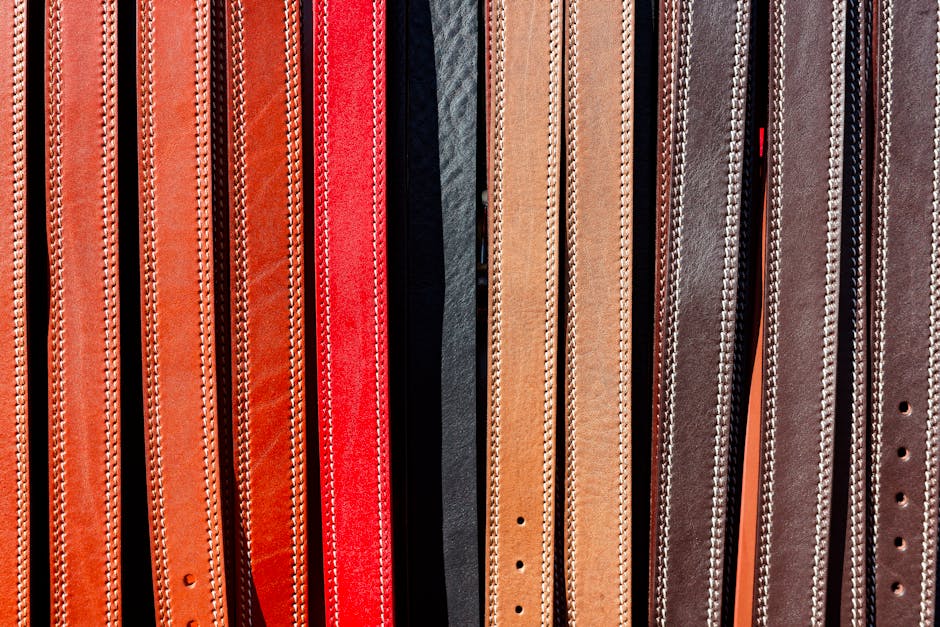
A well-curated belt collection doesn’t need to be extensive. Instead, it should be strategic, focusing on quality pieces that serve multiple purposes. Think about the pillars of your wardrobe and select belts that enhance those foundations. The goal is to build a collection that lasts, offers versatile styling options, and consistently elevates your "kcd2" aesthetic, whatever its specific interpretation.
Start with the essentials, then branch out into more specialized options if your style demands it. A bold opinion: every wardrobe needs at least one impeccable, classic leather belt. This isn’t just about utility; it’s about investing in a timeless accessory that defines your commitment to a polished appearance.
The Go-To Everyday Leather Belt
Your first essential should be a high-quality leather belt in a neutral color – typically brown or black. This belt should be between 1.25 to 1.5 inches wide, made from full-grain or top-grain leather, with a simple, understated buckle. Brands like Allen Edmonds for a dressier option or a quality Levi’s belt for a casual one are excellent starting points. This belt will be your workhorse, capable of pairing with jeans, chinos, and even some smart casual trousers. Its durability and versatility make it indispensable. Prioritize construction: look for solid stitching, a sturdy buckle, and a consistent leather finish. This belt will likely be your most worn accessory, so quality is .
The Statement Piece: When to Break Rules
Once you have your foundational belts, consider adding a statement piece. This is where you can experiment with bolder colors, unique textures (like woven leather or suede), or distinctive buckles (e.g., a logo buckle from Tory Burch or a unique artisan design). A statement belt is meant to draw attention, adding a focal point to an otherwise simple outfit. It might be a wider canvas belt from L.L. Bean in a vibrant color for a summer look, or a subtly patterned belt for a specific "kcd2" sub-genre. The key is intentionality. Don’t just buy it; know exactly why you’re incorporating it and how it enhances your overall ensemble. Use these belts sparingly, allowing them to truly make an impact rather than becoming an everyday item.
The single most important takeaway is this: A well-chosen belt is an investment in your personal presentation, seamlessly blending function with sophisticated style.