

Three miles in, I was already miserable. The cotton sweatpants I’d grabbed from a mall basics rack — $28, felt like a steal — had soaked through at the thighs, the waistband was folding over itself, and every stride felt like dragging wet laundry. I finished the run, threw them in a corner, and spent the next two hours reading everything I could find about joggers built for actual running.
That was four years and roughly a dozen tested pairs ago. The short version: most joggers sold as “athletic” have no business being worn on a real run. A smaller group are genuinely excellent. Knowing the difference saves you from a miserable 45 minutes on the road and a wasted $70.
What Actually Separates a Running Jogger from a Couch Jogger
This is worth understanding before you spend a dollar, because the categories look identical on a rack. Both have an elastic waistband, tapered legs, and a drawstring. The differences live in construction details that only show up when you’re moving at pace.
Fabric Weight Is the First Filter
Running fabric is measured in grams per square meter (gsm). Casual joggers typically sit between 280–400gsm. That works fine for standing around or a slow walk, but at any actual running pace, heavy fabric becomes a problem. It holds heat, absorbs sweat instead of wicking it, and adds drag resistance through leg swing.
For running, you want something in the 120–180gsm range. At that weight, the fabric moves with your leg rather than against it. Polyester and nylon blends dominate this range because they’re inherently moisture-wicking — they pull sweat away from the skin and allow it to evaporate. Cotton does neither of those things efficiently. Any jogger with a cotton content above 30% is not a running jogger, regardless of what the label says.
The sweet spot for most runners is a 75–90% polyester or nylon base with 10–25% elastane (spandex). The elastane delivers four-way stretch, which matters the moment your knee drives forward mid-stride. Without it, you’ll feel the fabric pulling across the front of the thigh at faster paces, and it only gets worse as miles accumulate.
The Waistband Problem Most Brands Get Wrong
This single detail separates brands that understand runners from brands that think they do. A wide, flat waistband with internal bonding — where the drawstring is locked flat rather than floating loose inside a tunnel — stays in place across 5 miles. A narrow elastic waistband, or one where the drawstring shifts freely, will roll, fold, and eventually bunch above or below your natural waistline.
The rolling problem sounds minor. After mile two, it isn’t. You’ll tug the waistband down every few minutes while running, which breaks rhythm and is genuinely aggravating. The best running joggers use a wide waistband — at least 3 inches — with internal structure that holds its shape. The Tracksmith Twilight Pant ($128) uses a bonded construction where the drawstring literally cannot migrate. It’s one of the main reasons that price is defensible.
Also worth checking: gusseted crotch construction. A diamond-shaped fabric panel sewn into the crotch seam allows your legs to move independently without the seam pulling tight against the inner thigh. Without it, you get what runners call inner seam bite — friction-based chafing on runs longer than 5 miles. Most casual joggers skip the gusset entirely. Most quality running pants include it as standard.
Five Running Joggers Compared: Specs and Real Verdicts

I have worn all five of these on outdoor runs between 3 and 10 miles. Here’s what the data actually looks like side by side:
| Brand / Model | Price | Fabric | Best For | Verdict |
|---|---|---|---|---|
| Nike Dri-FIT Phenom Elite Jogger | ~$90 | 87% polyester / 13% elastane | Tempo runs, cool-weather training | Best all-rounder. Reflective detail for low-light runs. Waistband stays put. |
| Adidas Own The Run Jogger | ~$70 | 100% recycled polyester, Aeroready | Easy and recovery runs | Looser fit. More casual feel. Less structured waistband than the Nike. |
| Gymshark Speed Jogger | ~$65 | Nylon-elastane blend, 4-way stretch | Faster sessions, treadmill work | Slim fit. Excellent stretch. Sizing runs narrow through the hip. |
| New Balance Accelerate Pant | ~$55 | NB Dry polyester blend | Budget pick, shorter runs | Solid for the price. Waistband not as locked-in as the Nike on long efforts. |
| Tracksmith Twilight Pant | $128 | Meryl Microfiber nylon blend | Long runs, high mileage training | The best running jogger I have worn. Worth every dollar if you run 4+ days a week. |
One practical tip before you buy anything: do the squat test in store or at home before cutting the tags. Put both hands flat against your thighs and drop into a deep squat. If the fabric pulls across the front of the thigh, the waistband shifts, or the seam digs in anywhere, that problem gets worse at mile four. It takes 20 seconds and eliminates the worst performers immediately.
The Budget Pick: New Balance Accelerate Pant (~$55)
If your ceiling is $60, the New Balance Accelerate Pant is the right call. The NB Dry fabric wicks reasonably well, the relaxed fit accommodates different leg shapes without restriction, and the tapered ankle won’t flap at the bottom of your stride. It’s not built for heavy mileage — the waistband will shift on anything past 6 miles — but for 3–4 mile casual runs, it handles the job without drama and holds up through regular washing.
The Premium Pick: Tracksmith Twilight Pant ($128)
If you run more than four days a week and care about your gear, the Tracksmith Twilight Pant is where the conversation ends. The Meryl Microfiber nylon fabric is ultra-lightweight and feels almost like nothing against the skin at mile 8. The bonded waistband stays exactly where you place it for the entire run. The gusseted crotch construction eliminates inner seam friction completely. It costs more than twice the New Balance and earns every dollar of that gap.
The One Spec That Matters More Than the Brand Name
Stay under 200gsm fabric weight for any run over two miles. A $40 lightweight polyester jogger will outperform a $90 cotton-blend jogger on every metric that matters when you’re actually moving. Brand name is secondary. Fabric weight is not.
Which Jogger Wins for Your Specific Run Type
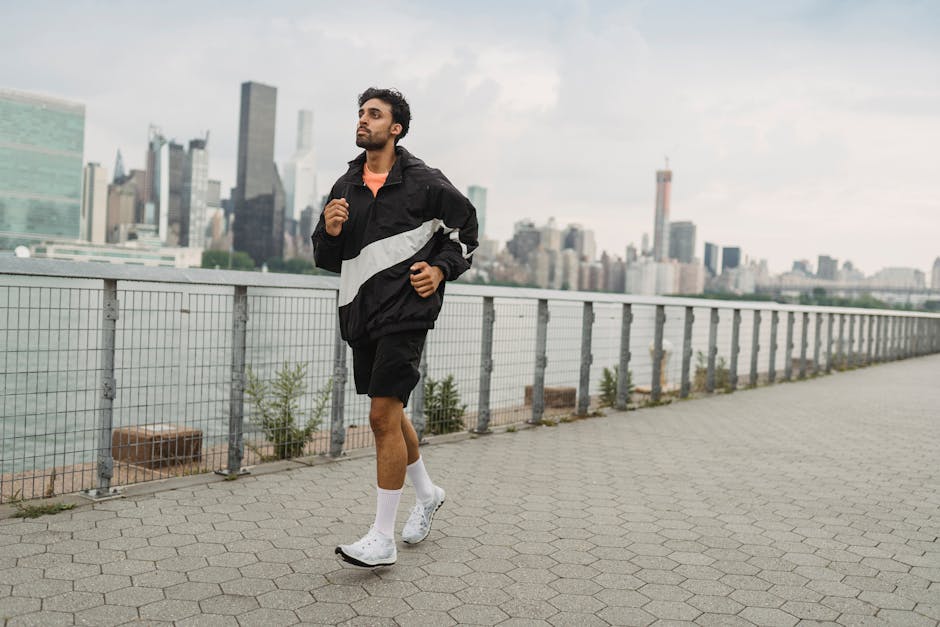
Here’s my honest breakdown by how you actually train, not how brands market to you:
- Easy and recovery runs (under 6 miles, comfortable pace): The Adidas Own The Run is the pick. It’s relaxed, breathes well, and doesn’t feel precious. You don’t need maximum-performance fabric for a slow 5K — save the technical gear for the days it earns its keep.
- Tempo runs and intervals: Nike Dri-FIT Phenom Elite or Gymshark Speed Jogger. You want the closest thing to tights in a jogger format — slim, locked-in, zero fabric movement. The Gymshark’s 4-way nylon stretch is especially good for runners with wider hips or thighs, because it gives at the point of maximum pressure rather than constricting.
- Long runs (8 miles or more): Tracksmith Twilight Pant, no contest. At those distances, waistband stability and how fabric feels against skin after an hour both matter enormously. The Tracksmith is the only jogger on this list that still feels comfortable and non-irritating at mile 10.
- Cold weather (below 45°F / 7°C): Layer a thin base layer under your running jogger and size up one at the waist — not the length — to account for the added bulk. Alternatively, the Adidas Own The Run Wind Pant (~$80) adds a thin wind-blocking outer layer without sacrificing meaningful mobility.
- Treadmill and gym sessions: Any of the above work. At this point it’s preference — fit, feel, what color you want. The Gymshark Speed is the most popular for this use because it photographs well and comes in the widest color range.
When Running Joggers Are the Wrong Tool Entirely
Are joggers suitable for marathon or half-marathon training runs?
For weekly long runs up to about 12–14 miles, yes — specifically if you’re in a technical running jogger like the Tracksmith or Nike Phenom. For race day or peak mileage weeks above 15 miles, most experienced runners switch to tights or dedicated running shorts. The reason is straightforward: fabric against skin at race pace for two-plus hours creates friction. Tights minimize that by staying locked against the skin with no independent movement. Joggers have more room and fabric movement by design, which raises chafing risk significantly at maximum mileage.
What about trail running?
Skip the jogger entirely. Trail running involves brush, mud, technical footing, and often sharp vegetation. Standard running joggers have no abrasion resistance and no protection against thorns or scrub. Trail-specific tights with reinforced panels are built for that environment. A $90 running jogger will snag, pill, and develop small tears within two trail runs. It’s the wrong tool for the terrain, regardless of how technical the fabric is.
What temperature is too warm for running in joggers?
Above 65°F (18°C), most runners find joggers too warm for anything past 4–5 miles. Even lightweight technical fabric traps more heat than shorts. At that temperature range, running shorts are simply the practical choice. Joggers perform best between 35–60°F (2–15°C), where the coverage prevents heat loss without trapping excessive warmth. If you’re sweating hard in the first mile because of ambient temperature, no fabric technology in the jogger is going to fix that.
Fit Details That Change How Joggers Feel at Mile Five

Picking the right dimensions matters as much as picking the right fabric. These are the measurements worth checking before you commit:
- Rise: Mid-rise (around 9–10 inches front rise) sits at the natural waist and doesn’t dig in when your knees drive upward. Low-rise joggers consistently shift down on longer runs. High-rise works well for runners with longer torsos who’ve had chronic waistband-shifting problems.
- Inseam: For running, 28–30 inches hits mid-ankle and gives full coverage without the fabric folding over the shoe collar. Anything longer than 30 inches tends to bunch at the heel, which creates a minor tripping hazard on uneven surfaces and is simply annoying on everything else.
- Ankle opening: Narrow ankle openings — roughly 6–7 inches circumference — reduce fabric flap at the bottom of your stride. Wide ankle openings feel comfortable standing still but flutter at faster paces, which is distracting and creates minor wind resistance over distance.
- Thigh room: You should have approximately 1.5–2 inches of ease at the widest part of your thigh. More than that and the fabric drags through your stride cycle. Less than that and you’ll feel restriction at the top of your knee drive, especially on hills.
If you’re between sizes, size down at the thigh and waist, then check that the inseam still clears your ankle with room. Getting this wrong is the most common reason runners feel like their joggers don’t perform — the fit was off, not the fabric. Most brands now offer at least two silhouettes: a standard and a slim or tapered version. Choose based on your build, not on which looks better on a model with different proportions.
Running joggers have closed the gap on tights faster in the last three years than in the previous decade. A handful of brands — Tracksmith and Nike most consistently — have figured out that runners need technical construction, not just technical marketing. If the category keeps moving in this direction, the jogger-versus-tight debate may stop being relevant entirely within another few years.