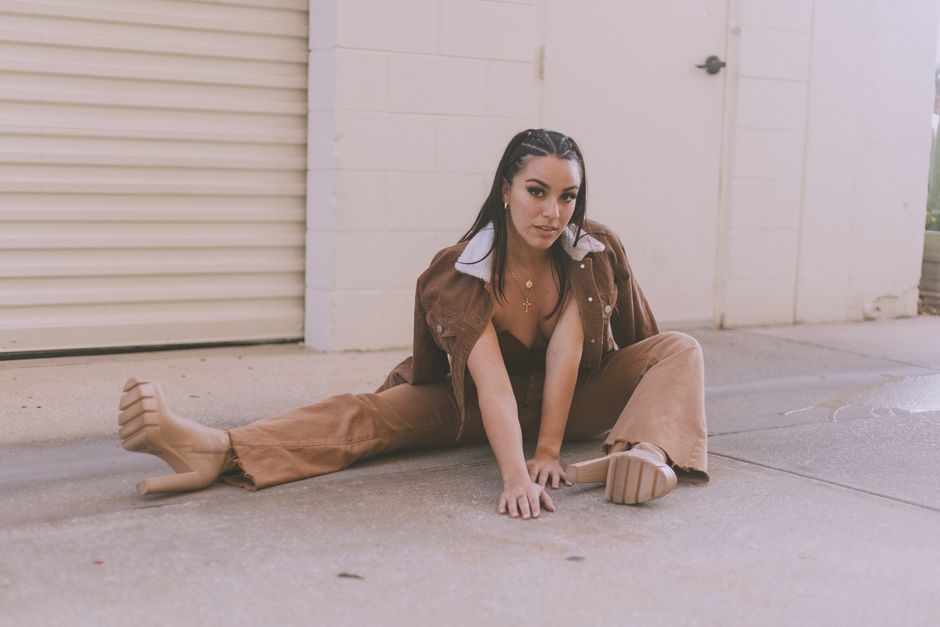

Four tops and three bottoms already create 12 base outfits before you add a jacket, shoes, or accessories. I learned that after standing in front of a full closet with nothing that felt right. My clothes were not too feminine or too masculine; they were simply too specific. Each item worked for one mood, one silhouette, or one setting, so getting dressed became a daily negotiation.
I rebuilt my wardrobe around relaxed proportions, hard-wearing fabrics, and colors that could move across different outfits. The result feels more personal, not less expressive. This is not legal advice—consult a licensed attorney for legal questions; the guidance below is personal fashion advice.
Start with fit, not the men’s or women’s label
The strongest gender-neutral streetwear wardrobe begins with shape. A label can help you find a garment, but it cannot tell you how that garment will sit on your shoulders, hips, waist, or sleeves. Brands grade clothing from different blocks, and two medium sweatshirts can differ by several centimeters in chest width. I stopped sorting clothes by department and started measuring the pieces I already loved.
Use three body measurements to set your baseline
Measure the chest of a favorite T-shirt from armpit to armpit, then double that number. Repeat across the shoulder seam and from the highest shoulder point to the hem. For an oversized streetwear fit, I usually want 10 to 18 centimeters of extra chest room, with a shoulder seam that sits slightly beyond the natural shoulder. More than that can make the sleeve twist and the torso look square.
For trousers, measure the waistband while the garment lies flat, double it, and compare it with your own waist measurement. A relaxed fit should leave room for two fingers inside the waistband when standing. That small test prevents the common mistake of buying wide trousers that still pinch when you sit.
Balance one oversized piece with one controlled piece
Streetwear looks intentional when volume has a boundary. A roomy hoodie works with straight-leg trousers. A wide pair of cargos looks cleaner with a shorter jacket or a T-shirt that ends near the hip. I avoid pairing a very long top with extremely wide bottoms unless the outfit has a strong visual anchor, such as a cropped outer layer, a bright shoe, or a defined bag.
My fit verdict: choose the silhouette first, then shop across every department that offers it. For most bodies, a straight or gently wide lower half and a relaxed but not floor-length top create the most reliable starting point.
Five wardrobe mistakes that made my outfits harder
The problem was not a lack of clothes. It was poor coverage. I owned several versions of the same black T-shirt but had no useful mid-layer, no weather-ready shell, and no trouser that worked with low-profile shoes. These were the mistakes I corrected first.
- Buying the logo before the shape. A recognizable graphic cannot rescue sleeves that stop at the elbow or a hem that bunches at the waist. I now check shoulder width, body length, and fabric weight before caring about the print.
- Assuming neutral means only black, white, and gray. Olive, washed navy, brown, faded red, and stone add contrast without making outfits difficult to combine. Three neutral colors plus one muted accent gave my closet more range.
- Ignoring fabric weight. A 180 GSM cotton tee behaves differently from a 260 GSM tee under a jacket. Lightweight jersey is useful in warm weather; heavier cotton holds a boxier streetwear shape.
- Buying every item oversized. Excess fabric can hide the body line and make shoes look too small. One oversized item per outfit is a safer rule until you understand your proportions.
- Forgetting the practical setting. A beautiful outfit that cannot handle rain, cycling, commuting, or a long day becomes a costume. I kept at least one washable, comfortable option for each regular activity.
- Using trends as the wardrobe structure. Trend pieces are seasoning. The foundation should still work when a particular sneaker shape or cargo pocket stops being popular.
The clearest lesson was simple: every new item needed to solve a real gap. If it only resembled something already hanging in my closet, I left it behind.
Which streetwear pieces earned a place in my rotation?
These are the five products I would use as reference points for a practical gender-neutral wardrobe. Prices are approximate US list prices and can vary by color, retailer, and season. The best choice for most shoppers is the option that fills a missing role rather than the item with the strongest branding.
| Product | Approximate price | Useful specification | My verdict |
|---|---|---|---|
| Uniqlo U Airism Cotton Oversized T-Shirt | $24.90 | Relaxed cut, cotton-blend jersey, breathable construction | Best affordable base layer |
| Dickies 874 Work Pants | $29.99 | High-rise workwear cut, durable twill, straight leg | Best budget trouser for daily wear |
| Carhartt WIP Newel Pant | About $138 | Relaxed tapered fit, heavyweight denim or cotton versions | Best polished alternative to cargos |
| Nike Dunk Low Retro | About $125 | Low-top leather sneaker, rubber cupsole, broad color range | Best familiar low-profile sneaker |
| Stüssy Basic Stock Hoodie | About $130 | Heavy fleece, relaxed body, ribbed cuffs and hem | Best statement-free premium layer |
The Uniqlo U T-shirt is the easiest starting point because its relaxed shape works tucked, untucked, or layered. The Dickies 874 offers more structure than sweatpants and costs little enough to test a new proportion. I prefer the Carhartt WIP Newel Pant when I want streetwear texture without a pocket-heavy look.
The Nike Dunk Low Retro is a sound choice for people who want a familiar sneaker with many styling references, but it is not the most comfortable option for every foot. For long walking days, a running-inspired sneaker with a wider toe box may serve you better. The Stüssy hoodie wins for fabric and shape, although the Dickies and Uniqlo combination delivers more value for a smaller budget.
How do you make gender-neutral outfits feel personal?
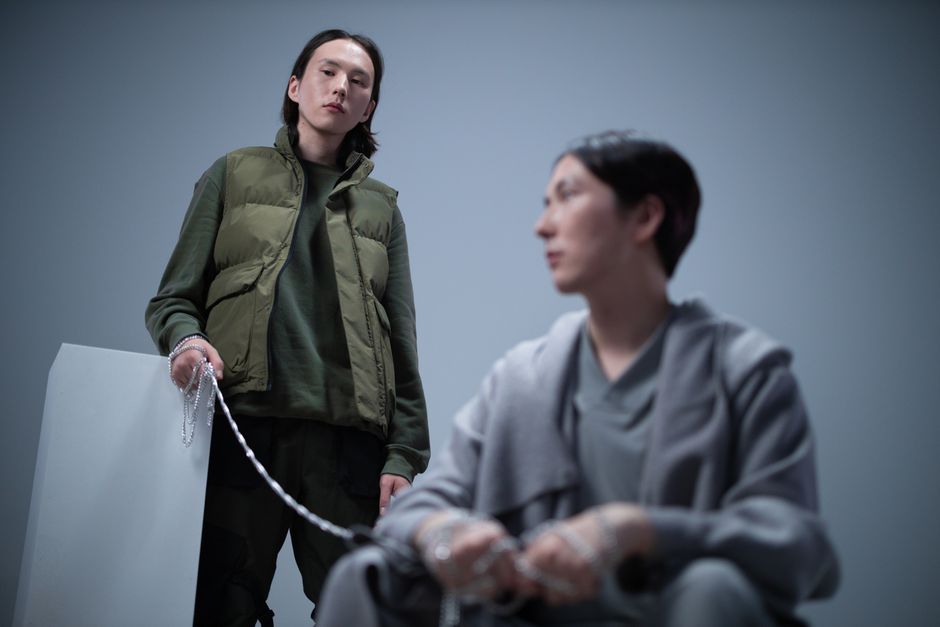
Personal style comes from repeated choices, not from adding more categories to your closet. I used a small set of questions to decide what deserved attention.
Do neutral outfits become boring?
Only when every item has the same texture and proportion. Combine smooth jersey with ripstop, brushed fleece with denim, or canvas with nylon. A washed black tee, olive trousers, and a brown canvas bag can feel more distinctive than a bright outfit built from unrelated pieces. Texture gives a quiet color palette enough movement.
How can someone shop across different size systems?
Keep a note in your phone with your chest, waist, hip, inseam, and preferred garment measurements. Compare those numbers with the brand’s size chart instead of choosing the same letter every time. If a garment uses a unisex chart, pay close attention to sleeve length and shoulder width. A person with a shorter torso may need a smaller size for length even when the chest measurement suggests otherwise.
When should you not buy a unisex or oversized item?
Do not buy it when the shoulder seam cuts into your upper arm, the rise restricts sitting, or the hem hides the footwear that makes the outfit work. Also skip it if the only reason you want it is that the product photographs well on someone with a very different frame. A gender-neutral wardrobe should expand your choices, not force your body into one approved shape.
The practical verdict: use fit notes, fabric contrast, and one personal detail—such as a pin, ring, color accent, or customized hem—to make simple pieces feel like yours.
My final 12-piece formula for a useful streetwear closet
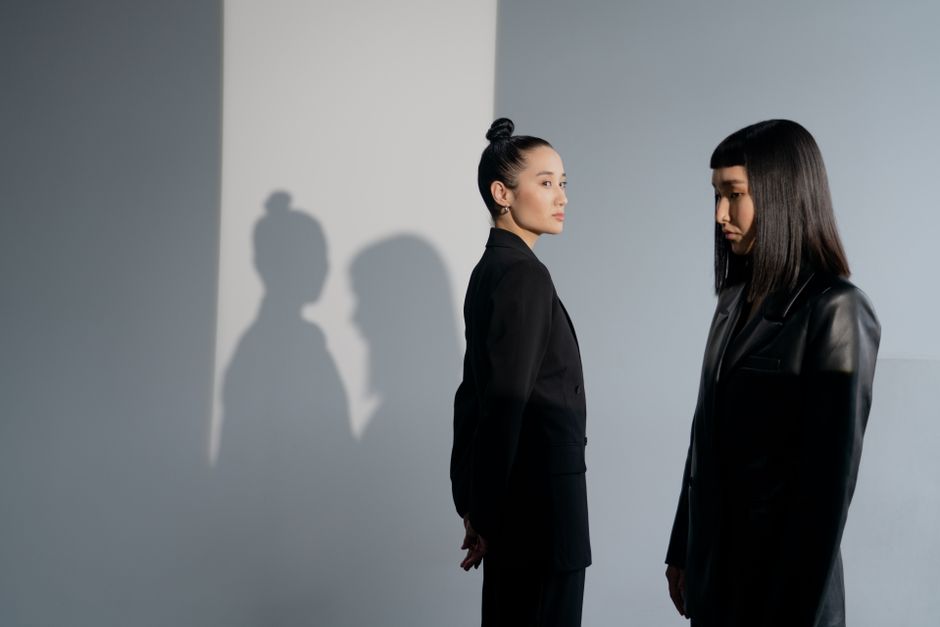
My recommendation is to build around four tops, three bottoms, two outer layers, two pairs of shoes, and one flexible accessory. That formula creates enough combinations for a normal week while leaving room for personality. It also limits duplicate purchases, which was the main reason my first wardrobe felt crowded but incomplete.
The four tops can be two heavyweight T-shirts, one long-sleeve tee, and one hoodie. Choose three bottoms with different jobs: straight denim, work pants, and relaxed cargos or track pants. Add one light shell for rain or wind and one overshirt or bomber for structure. For footwear, use one low-profile sneaker and one pair with extra cushioning or weather resistance.
My own version uses the Uniqlo U Airism Cotton Oversized T-Shirt as a base, Dickies 874 Work Pants for structure, and the Stüssy Basic Stock Hoodie when I want a heavier layer. The Carhartt WIP Newel Pant gives me a tapered option, while Nike Dunk Low Retros handle outfits that need a familiar visual anchor. None of these pieces defines the wardrobe alone; the value comes from how many combinations they support.
- Keep the main palette to three neutrals and one accent.
- Check every new piece against at least three existing outfits.
- Reserve the largest silhouette for one garment at a time.
- Leave room in the budget for tailoring, socks, and weather-ready layers.
- Remove pieces that feel uncomfortable after a two-hour day, regardless of their brand or price.
A gender-neutral streetwear wardrobe works best when it gives you freedom from dress codes without giving up fit, comfort, or a clear point of view.