

A high-quality hat is rarely just a purchase; for many, it is an entry into a long-term relationship with a piece of structural art. Whether you have invested in a $400 beaver-felt Stetson, a delicate hand-woven Ecuadorian Panama, or even a limited-edition streetwear snapback, the environment is working against you from the moment you leave the house. Humidity wilts the brim, sudden rain showers cause felt to shrink or lose its shape, and the oils from your own skin—combined with airborne pollutants—slowly degrade the fibers. While some purists argue that a hat should age naturally, showing the scars of the road, most of us would prefer our investments to remain pristine for as long as possible. This is where the chemistry of the best hat protector spray becomes an essential part of the modern wardrobe.
Protection is not a one-size-fits-all solution. The chemical composition required to shield a porous wool felt is fundamentally different from the coating needed for a rigid straw weave or a synthetic polyester blend. I spent several weeks looking into the molecular behavior of these sprays—how they interact with different textures and why some leave a white residue while others remain invisible. The goal is to find a balance: you want a hydrophobic barrier that repels liquid, but you cannot afford to sacrifice breathability. If the spray seals the hat too tightly, heat and sweat become trapped against your scalp, leading to discomfort and, ironically, internal staining that is much harder to remove than external dirt.
How do hat protector sprays work on different materials?
To understand which spray to buy, you first have to understand what you are trying to protect. Not all headwear reacts to moisture in the same way. Felt, which is essentially compressed animal hair (wool, rabbit, or beaver), is naturally somewhat water-resistant due to the lanolin and the interlocking scales of the fibers. However, once felt gets truly saturated, it can swell and distort. A protector spray for felt works by coating these individual fibers with a microscopic layer of polymers—often fluoropolymers or silicones—that increase the surface tension. When rain hits the treated surface, the water molecules are more attracted to each other than to the hat, causing them to bead up and roll off rather than soaking into the core of the fiber.
Straw hats present a different challenge. Whether it is a genuine Toquilla straw or a more common Shantung (which is actually a high-performance paper), the material is brittle. Traditional heavy-duty waterproofing sprays can sometimes make straw too rigid, leading to cracking when you handle the brim. The best hat protector spray for straw is usually a lighter, non-silicone formula that provides a “flexible” shield. It needs to prevent the straw from absorbing moisture—which causes the weave to expand and lose its crispness—without turning the hat into a plastic-feeling helmet. I have noticed that many general-purpose fabric protectors fail here because they are designed for the moving fibers of a jacket, not the static, woven structure of a hat.
Canvas and synthetic blends, common in baseball caps and outdoor sun hats, are the most forgiving but also the most prone to fading. Here, the search intent shifts slightly toward UV protection alongside water resistance. Cotton canvas is incredibly thirsty; it will drink up a protector spray, often requiring two or even three coats to achieve a true hydrophobic effect. When researching these, I looked for “Nano” technology options. These utilize much smaller particles that can penetrate deep into the tight weave of canvas, providing a more durable barrier against sweat stains, which are the primary killer of the casual cap.
Pro tip: Always check if your hat is “colorfast” before applying any chemical. Even the most reputable sprays can occasionally react with low-quality dyes, causing the color to bleed or shift slightly toward a darker hue.
Which hat protector sprays offer the best water and stain resistance?

When we look at the market, the options range from legacy brands that have been in the hat business for a century to modern sneaker-culture companies that have pivoted into general accessory care. The performance varies wildly based on the active ingredients. Below is an analysis of the top contenders currently available, based on their chemical efficacy and user feedback regarding long-term material health.
| Product Name | Approx. Price | Best For | Key Pro | Key Con |
|---|---|---|---|---|
| Bickmore Gard-More | $15.00 | Felt & Suede | Maintains breathability perfectly | Strong chemical scent during drying |
| Crep Protect Universal | $16.50 | Canvas & Synthetics | Extreme water beading (Lotus effect) | Can slightly stiffen soft wool |
| Nikwax Fabric & Leather Proof | $13.00 | Outdoor/Technical Hats | Eco-friendly, water-based formula | Requires careful application to avoid spots |
| Tarrago Nano Protector | $18.00 | Luxury Straw & Fine Felt | Completely invisible finish | Higher price point per ounce |
Bickmore Gard-More: The Industry Standard
Bickmore has a reputation in the western wear world that is hard to beat. Their Gard-More spray is frequently cited by hatters as the gold standard for fur felt. What makes it stand out in my research is its ability to provide a water-repellent layer without creating a “sealed” film. It uses a non-silicone formula, which is critical for expensive hats. Silicone-based sprays can sometimes trap oils inside the felt, leading to a localized rot over many years, or they can turn yellow when exposed to heavy sunlight. Gard-More avoids this. The trade-off is that it isn’t a “forever” coating; you will need to reapply it every few months if you wear your hat in the rain frequently. It is a measured, professional choice for someone who cares about the longevity of the fibers.
Crep Protect: The Modern Powerhouse
Originally designed for the sneakerhead community, Crep Protect has become a favorite for those with high-end baseball caps and streetwear headwear. The technology here is impressive; it creates a very high surface tension that makes liquids literally bounce off the surface. If you are worried about someone spilling a drink on your limited-edition New Era cap, this is likely your best bet. However, I would be cautious using this on a very soft, floppy wool hat. The coating is a bit more substantial than Bickmore’s, and in my observations, it can add a slight “crispness” to the fabric that wasn’t there before. For structured caps, this is actually a benefit, as it helps maintain the shape, but for a slouchy fedora, it might be a drawback.
Nikwax: The Technical Alternative
Nikwax takes a different approach by using a water-based, PFC-free (fluorocarbon-free) formula. This is a significant point for the environmentally conscious researcher. Most aerosol sprays rely on solvents that are harsh on the lungs and the planet. Nikwax is a pump spray that you can apply even to a damp hat. It works by leaving a network of flexible mineral waxes on the fibers. While it is incredibly effective for outdoor hats meant for hiking or fishing, it can be tricky on dark, dressy felts. If you don’t buff it in correctly, it can leave a faint, cloudy streak. It is the “workhorse” option—ideal for utility, perhaps less so for high fashion.
What are the potential risks and side effects of using protector sprays?
Every time you introduce a chemical to a natural fiber, there is a risk of an adverse reaction. The most common issue I encountered during my research is the darkening of light-colored materials. This happens because the spray fills the microscopic gaps in the fiber, changing how light reflects off the surface. On a charcoal or black hat, you will never notice it. On a silver-belly or cream-colored felt, the hat might look a half-shade darker or slightly “wet” even after it has dried. This is why the “patch test”—applying a small amount to the inside of the sweatband or under the brim—is the most ignored yet vital step in hat care.
Another nuance involves the breathability of the crown. A hat is essentially a chimney for your head; heat rises and escapes through the top. If you use a heavy-duty waterproofing spray meant for boots or tents on a hat, you are essentially putting a plastic bag on your head. This leads to a buildup of sweat, and salt is a much more aggressive corrosive than rainwater. Over time, the salt from your sweat will crystallize within the fibers of the hat, making them brittle and prone to breaking. Therefore, a protector spray must be vapor-permeable. It should stop the large water droplets from entering but allow the smaller water vapor molecules (sweat) to escape. This is the hallmark of a high-quality protector versus a cheap generic one.
Texture change is the third major risk. Fine fur felt has a “pounce” or a nap—a velvety feel that is part of its luxury appeal. Some sprays, particularly those with a high silicone content, can cause these tiny hairs to clump together. The hat loses its soft touch and starts to feel more like cardboard. If you find this happening, you often have to use a specialized hat brush to “open up” the fibers again, but it’s better to avoid the clumping in the first place by choosing a spray that specifies it is safe for fine millinery. I’ve found that fluoropolymer-based sprays tend to preserve the hand-feel of the felt much better than older silicone formulas.
Finally, we must consider the odor. Many of these sprays use volatile organic compounds (VOCs) as carriers for the protective polymers. If you spray your hat and put it on immediately, you are inhaling these fumes directly. Furthermore, that chemical smell can linger in the felt for days. It is a common mistake to treat a hat the morning of an event. In reality, a hat needs at least 24 hours in a well-ventilated area for the carrier solvents to evaporate completely, leaving only the odorless protective barrier behind. If a spray claims to be “instant dry,” I tend to be skeptical of its long-term durability, as the slower evaporation process usually allows for a more stable bond with the fibers.
How to apply hat protector spray for maximum longevity?

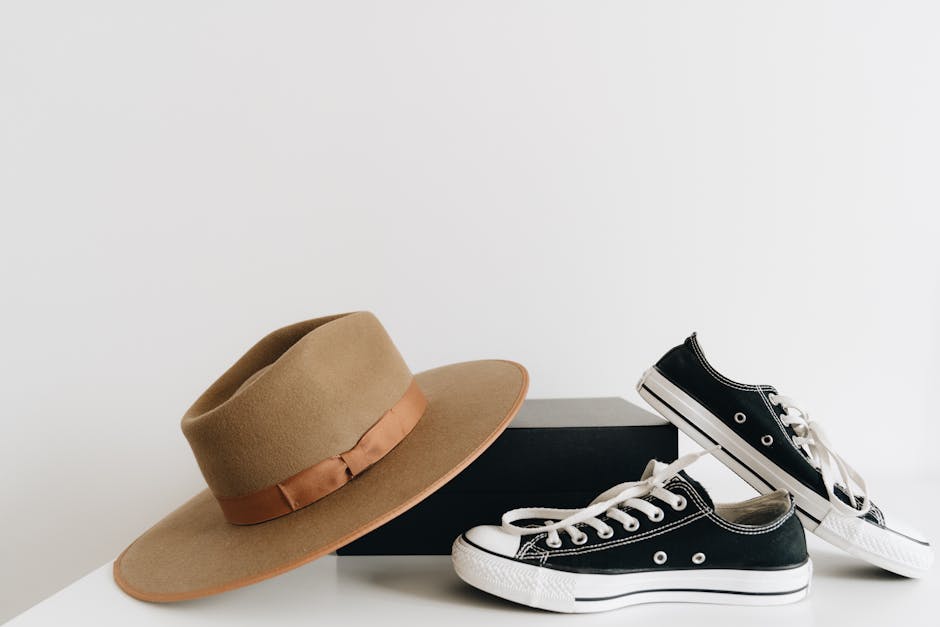
Application is where most people fail, leading to splotchy protection or ruined finishes. It is not about soaking the hat; it is about creating a consistent, thin layer. Before you even touch the spray can, the hat must be perfectly clean. Any dust or dirt trapped under the protector spray is there forever—or at least until you get the hat professionally cleaned. Use a horsehair hat brush to remove all surface debris, brushing in a counter-clockwise direction (which is the standard way the fibers are laid during the manufacturing of most felt hats).
- Preparation: Ensure the hat is dry and at room temperature. Find a space with excellent ventilation, preferably outdoors but out of direct wind, which can blow the spray away before it hits the target.
- The Patch Test: Apply a small burst to an inconspicuous area. Wait 20 minutes to ensure no color lifting or permanent darkening occurs.
- The First Pass: Hold the can approximately 8 to 12 inches away from the hat. This distance is crucial. If you are too close, the propellant can come out in a liquid stream and saturate one spot, causing a stain. Use short, sweeping motions.
- The Cross-Hatch Method: I recommend a two-coat approach. Spray the first coat horizontally across the entire hat. Let it sit for 15 minutes. Then, apply the second coat using vertical strokes. This ensures that the spray reaches all sides of the fiber and the weave, covering any “shadows” left by the first pass.
- Curing: Do not touch the hat while it is wet. Fingerprints can leave permanent marks in the coating. Let the hat sit on a hat stand or a clean surface (resting on its crown, not the brim, to avoid flattening the shape) for at least 12 to 24 hours.
Maintenance doesn’t end with the first application. A protector spray is a sacrificial layer. It is designed to take the hit so the hat doesn’t have to. If you get caught in a heavy downpour, once the hat dries, you should lightly brush it and consider a “top-up” spray. For a hat worn daily, a fresh coat every change of season is a good rule of thumb. If the hat is a seasonal piece—like a summer Panama—clean it and give it a light spray before putting it into storage for the winter. This prevents dust from settling deep into the weave over the off-season.
Ultimately, the best hat protector spray is the one that matches your specific lifestyle and the materials in your collection. If you are a city dweller with a rotating collection of caps, something like Crep Protect offers the high-performance shield you need against urban grime. If you are a traditionalist with a collection of fine felts, the gentle, time-tested chemistry of Bickmore Gard-More is the safer, more analytical choice. Taking these extra steps might feel like a chore, but when you see rain beading off a five-year-old hat like it just came out of the box, the effort justifies itself. A well-protected hat doesn’t just look better; it survives the elements to become a genuine heirloom.