
The average pair of jeans uses 3,781 liters of water to produce. That’s enough for one person to drink for 13 years. And most of that water gets dumped, loaded with toxic dyes, into rivers near factories in developing countries.
Consumers want better. But the denim industry has gotten good at marketing. A “sustainable” label on a $40 pair of jeans means almost nothing. So how do you separate real progress from greenwashing? This guide gives you five concrete checks to apply to any denim brand, plus seven brands that pass all of them.
What Actually Makes Denim “Responsible”?
Responsible denim isn’t one thing. It’s a bundle of decisions across the entire lifecycle of the jeans. Here are the four pillars that matter most.
Water and Chemical Management
Conventional denim dyeing uses indigo, which requires toxic reducing agents like sodium hydrosulfite. Better brands use pre-reduced indigo or plant-based dyes. They also install closed-loop water systems. Levi’s Water
Fiber Sourcing
Cotton is the baseline. Organic cotton uses 91% less water and no synthetic pesticides. But even better: recycled cotton, hemp, or TENCEL™ Lyocell. Outerknown blends organic cotton with hemp in their S.E.A. Jeans ($128), which halves water use versus standard cotton.
Worker Welfare
This is the hardest to verify. Look for Fair Trade Certified™ factories or B Corp certification. Patagonia’s denim is all Fair Trade sewn. That means workers get a premium on top of their wages. Nudie Jeans publishes their entire supply chain, down to the thread supplier.
Circularity
Can the jeans be repaired, resold, or recycled? Mud Jeans leases jeans for €9.95/month. You send them back when you’re done. They recycle the fibers into new denim. That’s circularity in action, not a take-back program that ends in a landfill.
5 Red Flags That Scream Greenwashing
Not all claims are equal. Here are the five most common lies in denim marketing.
- “Eco-friendly” with no certification. If a brand says “sustainable” but doesn’t name a third-party standard (GOTS, Fair Trade, B Corp), assume it’s marketing. Real certifications cost money. Brands that have them show them off.
- “Recycled polyester” blends. Some recycled polyester is fine. But if a brand uses it to avoid paying for organic cotton, that’s a trade-off. Everlane’s jeans use 100% organic cotton. That’s simpler and better.
- Vague water claims. “We saved water” means nothing. How much? Compared to what? Levi’s gives exact percentages. That’s credible.
- No supply chain transparency. If a brand won’t list its factories, it’s hiding something. Nudie Jeans lists every single factory on their website, including subcontractors.
- Cheap price + sustainability claims. Real ethical denim costs more. Organic cotton, fair wages, and closed-loop processing add $20–$40 to the production cost. A $60 pair of “sustainable” jeans is almost certainly lying.
7 Ethical Denim Brands That Pass the Test (2026)
These brands meet at least three of the four pillars above. Some are expensive. Some are mid-range. All are honest about what they do and don’t do.
| Brand | Price Range | Key Certification | Best For |
|---|---|---|---|
| Nudie Jeans | $150–$250 | Fair Trade, Organic Cotton | Repair & longevity |
| Levi’s | $70–$130 | Water| Budget-friendly basics |
|
| Patagonia | $89–$149 | Fair Trade Certified™, B Corp | Outdoor durability |
| Mud Jeans | €9.95/month (lease) | B Corp, Organic Cotton | Circular economy |
| Everlane | $68–$98 | Organic Cotton, Fair Trade | Minimalist wardrobe |
| Reformation | $128–$178 | B Corp, Carbon Neutral | Trendy fits & cuts |
| Outerknown | $128–$168 | B Corp, Organic+Hemp blend | Sustainable innovation |
Nudie Jeans: The Gold Standard for Repair
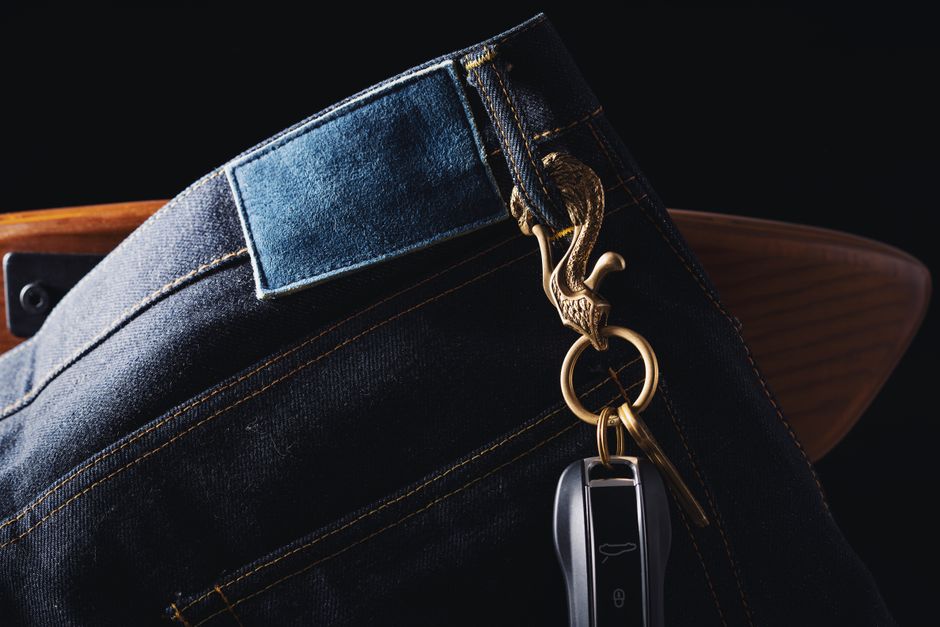
Nudie Jeans doesn’t just sell jeans. They sell a promise to fix them for free, forever. Every pair comes with a repair kit and a how-to video. If you can’t fix it yourself, any Nudie store will do it at no cost.
Their denim is 100% organic cotton, Fair Trade sewn, and they publish a full sustainability report every year. The Gritty Jackson fit ($195) is their bestseller—a straight leg that works for most body types.
One catch: they’re expensive. But if you wear jeans daily, a $195 pair that lasts 10 years costs less per wear than five $60 pairs that fall apart.
Levi’s: The Mass-Market Option That’s Actually Trying
Levi’s gets criticized for being a giant corporation. But their Water
The trade-off: Levi’s uses the Better Cotton Initiative, which is a step up from conventional cotton but not as rigorous as GOTS organic. And their supply chain transparency is improving but not at Nudie’s level. Still, for $70–$130, they’re the most accessible ethical option.
When NOT to Buy Ethical Denim (Yes, Really)
Ethical denim isn’t always the right answer. Here are three situations where you should skip it.
You’re replacing jeans every season. If you buy into fast-fashion cycles, no amount of organic cotton fixes the waste. Buy secondhand instead. Thrift stores have piles of perfectly good Levi’s and Wranglers for $15.
You need a very specific fit. Ethical brands tend to focus on classic cuts—straight, slim, bootcut. If you want ultra-high-waisted, distressed, or extreme skinny, you’ll struggle. Reformation is the exception here, with trend-driven silhouettes.
Your budget is under $60. At that price point, no brand can afford organic cotton and fair wages. Mud Jeans’ lease model costs €9.95/month, which might work. Otherwise, thrift or save up.
How to Make Your Jeans Last 10 Years
Buying ethical denim is step one. Making it last is step two. Here’s the short version.
- Wash less. Denim doesn’t need washing after every wear. Spot clean stains. Freeze jeans to kill bacteria. Wash every 10–15 wears max.
- Cold water, air dry. Hot water fades indigo. Dryers shrink and wear out fibers. Hang dry inside out.
- Repair early. A small hole can be darned. A ripped crotch can be patched. Nudie Jeans sells repair kits for $5. Learn basic darning—it’s 15 minutes of work.
- Rotate pairs. Wearing the same jeans every day accelerates wear. Two pairs worn alternately last three times as long as one pair worn daily.
The denim industry is changing. Brands like Outerknown are experimenting with hemp blends. Mud Jeans is proving leasing can work. Patagonia is pushing Fair Trade certification deeper into the supply chain. The question isn’t whether ethical denim exists anymore. It’s whether enough consumers will demand it to make the whole industry transform.