

Fashion brands have spent years chasing the next viral silhouette. But there’s a bigger shift happening that no single trend can touch: inclusive sizing. The straight-size monopoly is cracking. And it’s not about being nice — it’s about business survival.
The Numbers That Changed the Industry
The average American woman wears a size 16–18. That’s a fact, not a niche. Yet for decades, most brands stopped at size 12 or 14. The disconnect was absurd.
In 2026, the data is impossible to ignore. The plus-size apparel market is worth over $250 billion globally. Brands that extended their size ranges saw revenue jumps of 20–40% within two years. Meanwhile, brands that refused to adapt? They lost market share to direct-to-consumer labels that actually listened.
What the Research Actually Says
A 2026 study from the Journal of Fashion Marketing found that 68% of women who wear sizes 16+ say they leave stores empty-handed because nothing fits. That’s not a preference issue — that’s a design failure. These shoppers have money. They’re willing to spend. But they won’t settle for ill-fitting clothes made from cheap fabric.
The Retail Reality Check
Old Navy, Universal Standard, and Aerie proved that extending size ranges works. Old Navy’s size-inclusive collection now covers 0–30. Aerie’s unretouched campaigns and size range expansion drove a 20% sales increase in one year. These aren’t outliers. They’re the blueprint.
Why Most Brands Get Inclusive Sizing Wrong
Here’s the ugly truth: many brands slap a “size XXL” on a pattern that was drafted for a size 6 and call it inclusive. That’s not inclusive. That’s lazy.
Grading — the process of scaling a pattern up or down — is where the real work happens. A size 20 body is not a scaled-up size 6. Proportions change. The bust-to-waist ratio shifts. The armhole depth needs adjustment. Most brands skip this step to save money. The result? Clothes that look terrible past size 14.
The Three Failure Modes of Sizing
- Vanity sizing: Labeling a size 16 as a size 12 to make customers feel thinner. This destroys size consistency across brands. A size 14 at Zara fits nothing like a size 14 at H&M.
- Grade breaks: Some brands offer sizes 0–14 and 14W–28W, but the 14W is cut completely differently from the 14. The customer ends up trapped between systems.
- Fabric limitations: Stretchy fabrics hide poor fit. Structured garments reveal every drafting error. Brands that only offer inclusive sizing in jersey knits are avoiding the hard work.
When to Skip a Brand That Claims to Be Inclusive
Not all inclusive sizing is created equal. Here’s a quick litmus test.
| Red Flag | What It Means | What to Do |
|---|---|---|
| Only offers inclusive sizing online, not in stores | They don’t want “those customers” in their physical space | Shop elsewhere |
| Size chart shows huge gaps (e.g., jumps from 14 to 18) | They skipped half the grading work | Check reviews from people near your size |
| Plus sizes cost 20% more than straight sizes | They’re charging a “fat tax” for extra fabric | Find a brand with equal pricing |
| Models are all size 0–4, even in plus ads | They don’t actually believe in the product | Look at customer photos, not campaign images |
How to Shop for Your Actual Body Shape
Forget the number on the tag. It’s meaningless across brands. Instead, measure yourself and use the brand’s specific size chart. Every time.
Take Three Measurements
- Bust: Around the fullest part, straight across the back
- Waist: At your natural waistline (usually above your belly button)
- Hips: Around the widest part, about 7–9 inches below your waist
Then compare those numbers to the brand’s chart. If the bust measurement matches a size 14 but the hip matches a size 18, you need to decide: size up and tailor, or find a brand with better proportions. Brands like Universal Standard and Good American draft their patterns on real bodies with multiple fit models across the size range. Their clothes fit better because they did the work.
The Fabric Rule
Structured fabrics like denim, linen, and cotton twill require precise fit. Stretchy fabrics like jersey, ponte, and spandex blends are more forgiving. If you’re buying online for the first time from a brand you don’t trust, start with stretchy pieces. Once you know their sizing, graduate to structured garments.
The Real Cost of Ignoring Inclusive Sizing
Brands that refuse to extend their size ranges aren’t just losing sales. They’re losing relevance. The next generation of shoppers — Gen Z and younger millennials — actively boycotts brands that exclude. They post fit fails on TikTok. They call out brands for using “plus-size” models who are clearly size 8. They have zero tolerance for performative inclusivity.
Meanwhile, the infrastructure for inclusive manufacturing is better than ever. Pattern-making software can grade sizes accurately in minutes. Manufacturers in the US, Turkey, and Portugal now specialize in extended-size production. The excuse “it’s too expensive” doesn’t hold up anymore.
Brands like Nike and Levi’s have invested heavily in size-inclusive lines. Nike’s plus-size mannequins in stores and extended sizing in its sports bras and leggings showed real commitment. Levi’s has sizes up to 32 in many jeans. These brands didn’t do it out of charity — they did it because the market demanded it.
What Inclusive Sizing Actually Looks Like in 2026
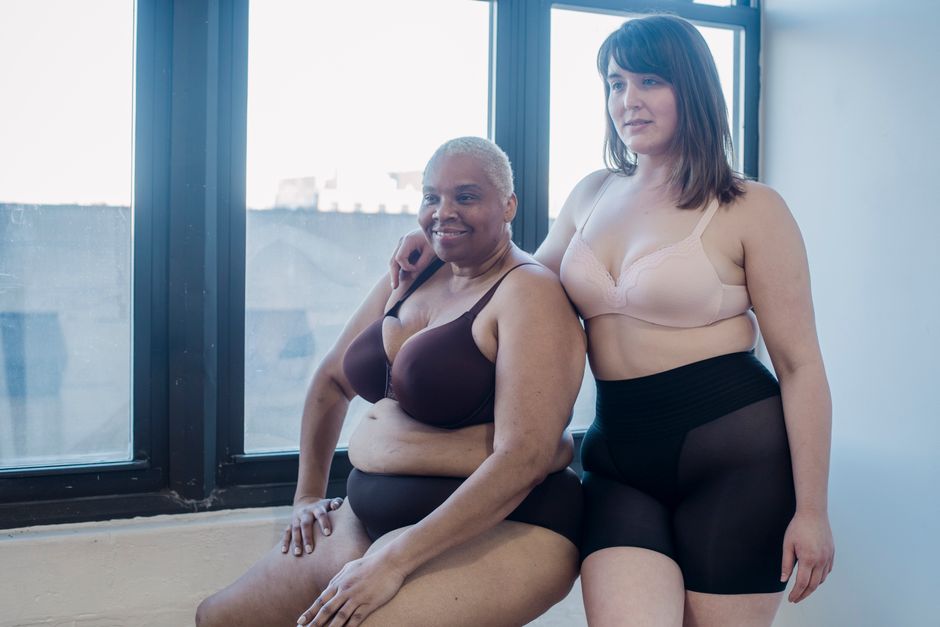
The best brands today offer sizes from 00 to at least 32. They use multiple fit models. They show clothes on real bodies of different shapes, not just different sizes of the same thin frame. They price equally — no upcharge for plus sizes. They offer length options in pants and sleeves.
But even the “good” brands have work to do. Petite plus sizes are still rare. Tall plus sizes are almost nonexistent. Maternity plus sizing is an afterthought. And adaptive clothing — designed for people with disabilities — barely overlaps with inclusive sizing at all. The industry is moving, but slowly.
Your money is your vote. Every dollar spent at a truly size-inclusive brand sends a signal. Every dollar withheld from a brand that excludes does the same. There are no excuses left. The data is clear. The customers are waiting. And the brands that refuse to adapt? They’ll be the ones explaining to their investors why their revenue flatlined.