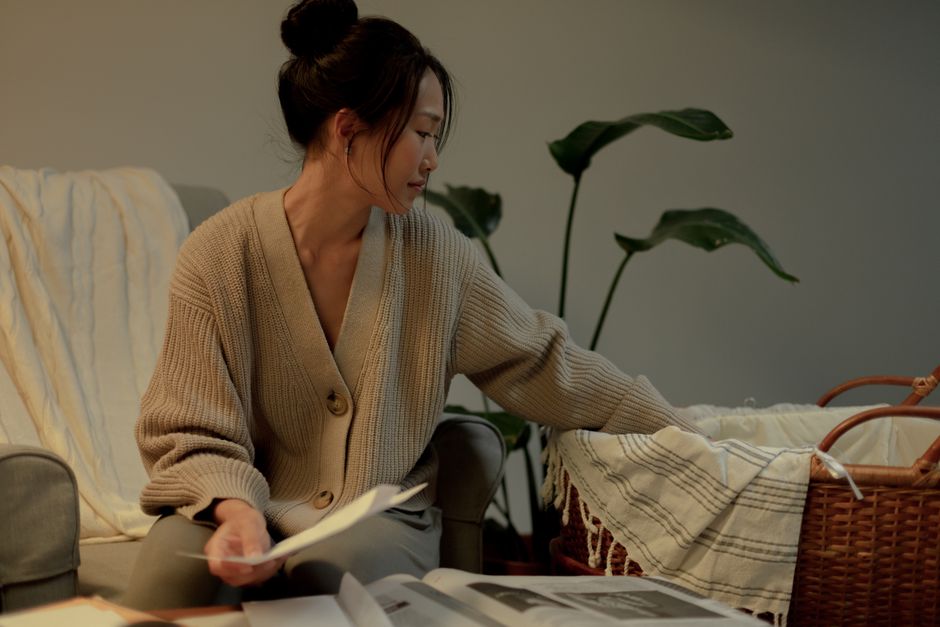

Light knit layering is the best answer to early spring weather. Wear one thin sweater over a shirt in the morning, remove it at lunch, and add a jacket when the wind turns cold. The winning formula is simple: breathable fibers, a close but not tight fit, and enough room for one extra layer.
Why light knits work when spring weather cannot decide
Early spring creates a clothing problem that heavy winter sweaters cannot solve. A morning commute may sit at 42°F, the afternoon may reach 63°F, and a shaded street can still feel cold. A T-shirt alone leaves you exposed. A thick wool jumper traps too much heat. Light knitwear fills the gap by adding controlled warmth without turning your outfit into a portable sauna.
Thin insulation beats one bulky sweater
Warmth comes from trapped air, not from visual thickness. A fine-gauge knit creates small air pockets close to the skin, while a shirt underneath adds another barrier against wind. Two thin layers also give you better control than one heavy layer. Remove the sweater indoors and you still have a complete outfit. Keep it on outside and you gain warmth without the stiff shoulders or excess bulk that make winter jumpers frustrating.
Breathability matters more than softness
Softness gets all the attention, but breathability decides whether a knit works through a full day. Merino wool can move moisture away from the skin and resist odors. Cotton feels fresh and easy in mild weather, but it absorbs moisture and dries slowly. Cashmere feels luxurious but needs more care and offers less protection from abrasion. For ordinary early spring wear, a fine merino or cotton-merino blend is the smartest middle ground.
Choose the layer based on how you move through the day. A person walking ten minutes to work needs wind resistance and easy removal. Someone sitting in a cool office needs gentle warmth and low bulk. The category exists because spring requires adjustment, not because every outfit needs more clothes.
How to choose a knit for changing temperatures

Start with the conditions you face most often, then choose the knit structure and fit. Do not buy based on color alone. A beautiful sweater that overheats you, pills after three wears, or refuses to fit under a jacket is a bad purchase.
- Check the fiber label. Choose merino, cotton, linen blends, or a cotton-merino mix for regular spring use. Avoid acrylic-heavy knits if you run warm because they often hold heat and odor.
- Look at the gauge. Fine-gauge knits sit smoothly under a blazer or trench coat. Medium-gauge knits provide more warmth but need roomier outerwear. A chunky knit is usually a poor choice for a layered commute.
- Measure the garment, not just your body. Compare chest width, sleeve length, and body length with a sweater you already wear. Chest ease of 2 to 4 inches gives a clean base layer fit without pulling across the shoulders.
- Test the neckline. A crew neck works over a collared shirt and under a jacket. A V-neck creates space around the neck and suits a button-down. Mock necks add warmth but can feel restrictive indoors.
- Inspect the recovery. Stretch the ribbed cuff and release it. The cuff should return to shape instead of staying loose. Check the collar for even stitching and the underarm for dense, tidy seams.
Buy the smallest size that lets you move your arms freely and wear your intended base layer underneath. A knit should skim the body, not cling to it. Excess fabric creates folds under jackets, while a tight chest pulls the knit out of shape and speeds up pilling.
Which light knit fabrics and weights make sense?
The best choice depends on temperature range, indoor heating, and how much care you will tolerate. Prices below are typical 2026 retail prices and can shift with sales, but the construction differences remain useful.
Compare the useful options
| Material or product | Typical price | Best temperature range | Strength | Main drawback |
|---|---|---|---|---|
| Uniqlo Extra Fine Merino Crew Neck | $49.90 | 45–65°F | Fine 100% merino knit, low bulk, easy layering | Can pill at high-friction areas |
| Everlane Organic Cotton Crew | $88 | 55–70°F | Breathable, casual, simple care | Holds moisture longer than wool |
| COS Fine-Knit Merino Wool Sweater | About $125 | 42–62°F | Clean shape and polished finish | Higher cost for a minimal design |
| Quince Mongolian Cashmere Crewneck | About $59.90 | 45–65°F | Very soft, light warmth, good value | Needs careful washing and storage |
Pick the fiber that matches your routine
Merino is the best overall choice for early spring because it balances warmth, moisture control, and low weight. Choose cotton when the weather is mild and your day is mostly indoors. Choose cashmere when softness and a polished look matter more than rugged daily use. Linen blends are useful for warmer spring afternoons, but they wrinkle and provide less insulation.
The Uniqlo Extra Fine Merino Crew Neck wins for most buyers because its $49.90 price makes it easy to own two colors and its fine gauge fits under common jackets. The COS Fine-Knit Merino Wool Sweater is the better pick for a sharper office wardrobe. The Everlane Organic Cotton Crew is the right choice for people who dislike wool against the skin. There is no reason to pay cashmere prices for a sweater that will spend most of its life under a backpack strap.
The layering mistakes that make spring outfits uncomfortable

Early spring layering fails when every piece adds heat but none gives you a way to release it; the most common mistake is wearing a thick knit over a heavy shirt under a lined coat, because the outfit feels fine outdoors and unbearable the moment you enter a heated train, shop, or office.
The second mistake is choosing a sweater that fits perfectly over a T-shirt but cannot fit over a button-down, which creates tight armholes, crushed collars, and stretched seams; the correct test is to try the knit over the exact base layer you plan to wear, then raise both arms, sit down, and reach forward before buying.
The third mistake is ignoring friction and care, since shoulder bags, seat belts, rough coat linings, and frequent washing can turn a smooth knit into a pilled one quickly; use a breathable garment bag, fold sweaters instead of hanging them, wash wool in cool water with a wool detergent, and keep a fabric shaver available for small pills rather than throwing away a good layer.
The best light knit buys for early spring
Buy the Uniqlo Extra Fine Merino Crew Neck first. At about $49.90, it solves the main early spring problem with low bulk, useful warmth, and enough color range to support repeated outfits. It is not the softest or most luxurious sweater here, but it is the one most people will actually wear three times a week.
Best for a polished office wardrobe
Choose the COS Fine-Knit Merino Wool Sweater at about $125. Its cleaner shape works under a structured blazer and looks deliberate with wide-leg trousers or a midi skirt. The tradeoff is value: you are paying for the refined cut and finish, not a dramatic increase in warmth. Pick it when appearance matters during meetings and client-facing days.
Best for mild spring afternoons
Choose the Everlane Organic Cotton Crew at $88 when temperatures sit above 55°F and you want a relaxed layer over a tee. Cotton feels familiar, washes more simply than wool, and works well with jeans or cotton pants. Do not buy it for cold, wet commutes. It dries slowly and will feel clammy after a rushed walk.
Best soft layer for low-friction wear
Choose the Quince Mongolian Cashmere Crewneck at about $59.90 if softness is the priority and you can treat the sweater carefully. Wear it for dinners, travel days without a heavy bag, or indoor settings where a thin warm layer matters. Store it folded and wash it gently. For one dependable spring sweater, the Uniqlo merino remains the better choice.
The final recommendation is clear: buy a fine merino crew neck in a neutral color, size it for a shirt underneath, and pair it with a light jacket that can come off easily. For most people, the Uniqlo Extra Fine Merino Crew Neck is the best starting point; choose COS for a sharper office look, Everlane for mild weather, and Quince only when softness outweighs durability.