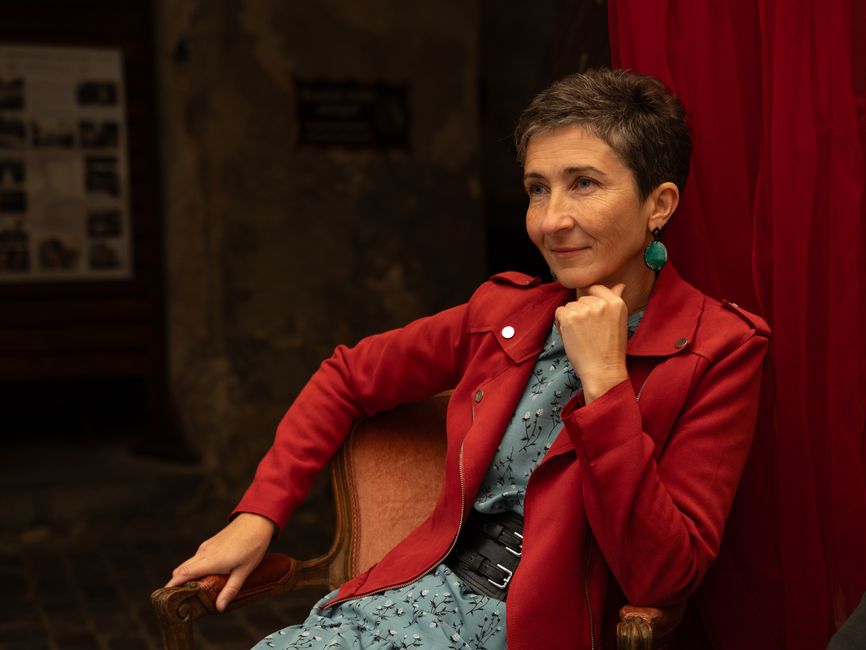

What jacket weight works from 40°F to 60°F?

The right weight depends less on a brand label such as lightweight and more on insulation, shell fabric, wind protection, and what you wear underneath. Use the table as a starting point, then adjust for your walking speed and local wind.
| Outside conditions | Useful jacket type | Best base layer | Main risk |
|---|---|---|---|
| 38–45°F, wind or drizzle | Medium insulated jacket or lined field jacket | Long-sleeve knit or thin wool sweater | Feeling cold when stationary |
| 45–52°F, mixed cloud | Light insulation or dense cotton jacket | T-shirt plus fine cardigan | Overheating indoors |
| 52–60°F, mild and dry | Unlined chore coat, trench, or overshirt | T-shirt or lightweight blouse | Too little wind protection |
| Any temperature with heavy rain | Waterproof shell over a thin layer | Moisture-wicking top | Confusing water resistance with waterproofing |
Choose insulation by activity, not marketing language
If you walk twenty minutes to work, choose a little less insulation than someone who waits outside for a train. Active commuters create heat quickly. A person standing still needs more coverage around the neck, wrists, and lower back. Synthetic fill often handles damp March conditions better than untreated down, while dense cotton or waxed cotton blocks wind well but can feel heavy when wet. The best general choice is a lightly insulated jacket with a smooth lining and enough room for one thin layer.
Why medium weight beats the heaviest option
Heavy jackets create a cost problem as well as a comfort problem. You may pay more for warmth you use for only a few weeks, then leave the coat in a closet. A medium jacket can cover March mornings, cool April evenings, and travel days when indoor heating varies. My verdict: buy the lightest jacket that keeps you comfortable for ten minutes standing still in your usual March conditions. If you are already sweating while waiting for the elevator, the jacket is too warm.
How long should a spring jacket be?
The best March length is usually the hip or upper-thigh area: long enough to cover the waistband and protect the lower back, short enough to sit comfortably and release heat while walking. A cropped jacket looks sharp with high-rise trousers but leaves a gap when you bend or cycle. A knee-length coat gives stronger wind coverage, yet it can feel excessive once the afternoon reaches 60°F. For most wardrobes, a jacket that ends two to four inches below the hip bone is the safest single purchase because it works with jeans, trousers, skirts, and light dresses.
Hip length works for active commutes
Choose a hip-length style if you walk, cycle, drive often, or spend time indoors. The shorter hem gives your legs more freedom and avoids bunching against a chair. Check that the back stays covered when you raise both arms. That simple movement test catches many jackets that look fine while standing but expose the lower back in real life. A drawcord or elastic hem can improve wind protection, but it should not grip so tightly that it traps heat.
Upper-thigh length wins against wind
Choose upper-thigh coverage if you wait at transit stops, live near open water, or dislike cold air around your hips. The extra fabric makes a larger difference than many shoppers expect because it reduces the open gap between jacket and trousers. Do not assume longer always means warmer, though. An unlined long coat with a loose front can feel colder than a shorter jacket with a high collar and better wind resistance. My verdict: pick upper-thigh length for stationary outdoor time and hip length for movement. A long hem is not a substitute for insulation or a closed front.
Three real jackets that show the March trade-offs
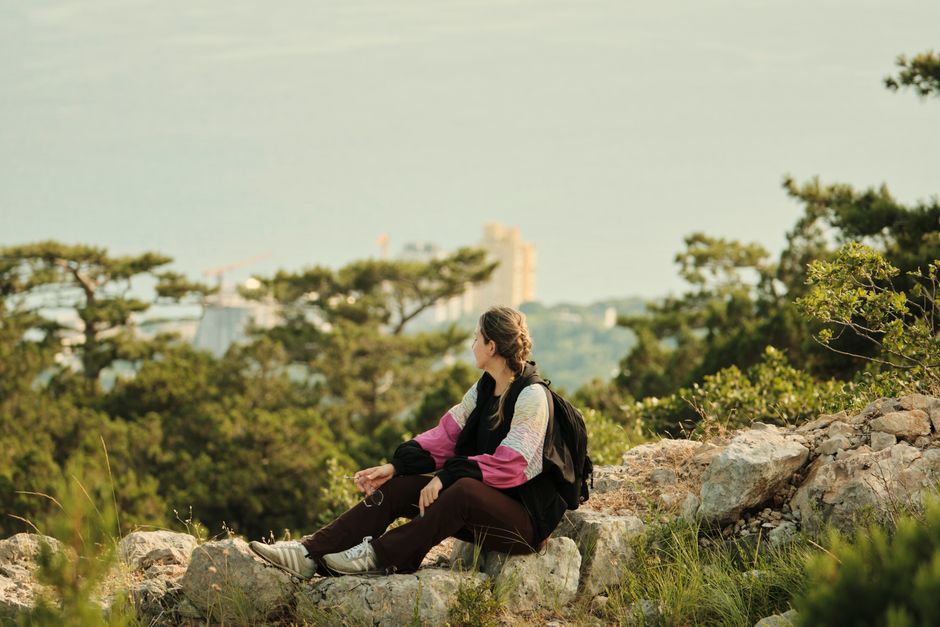
These are useful benchmarks, not universal winners. The prices below are listed reference prices from brand pages and may change with color, size, or seasonal discounts. Their value comes from showing how weight, weather protection, and length change the use case.
| Jacket | Listed price | Useful March detail | Best use |
|---|---|---|---|
| Patagonia Nano Puff Jacket | $239 | 60-g PrimaLoft Gold Eco synthetic insulation; lightweight and water-resistant | Cold, damp commutes and travel |
| Uniqlo Ultra Light Down Jacket | $79.90 | Very light packable insulation; compact profile | Budget layering and dry mornings |
| Barbour Beadnell Waxed Jacket | $398 | Thornproof waxed cotton; structured upper-thigh coverage | Windy casual wear and wet paths |
The clearest value is the Uniqlo option
For shoppers who need a light layer and do not want to spend heavily, the Uniqlo Ultra Light Down Jacket is the most practical benchmark. It is easier to pack than a waxed jacket and costs far less than the Patagonia. The trade-off is weather protection: light down-style insulation does not replace a waterproof shell, and its short cut leaves more of the lower body exposed. My verdict: choose it for dry, changeable March days and layer it under a rain shell when needed.
The strongest wet-weather choices are different
The Patagonia Nano Puff makes more sense for damp commutes because its synthetic insulation keeps working better than untreated down when moisture appears. The Barbour Beadnell offers more structure and longer coverage, but $398 is a serious price for a jacket that needs care and can feel too warm indoors. My verdict: choose the Nano Puff for function and packing, the Beadnell for wind-blocking style and a polished casual wardrobe. Neither is the best choice if you need a cool, unlined jacket for mild 58°F afternoons.
Common March jacket mistakes cost more than expected
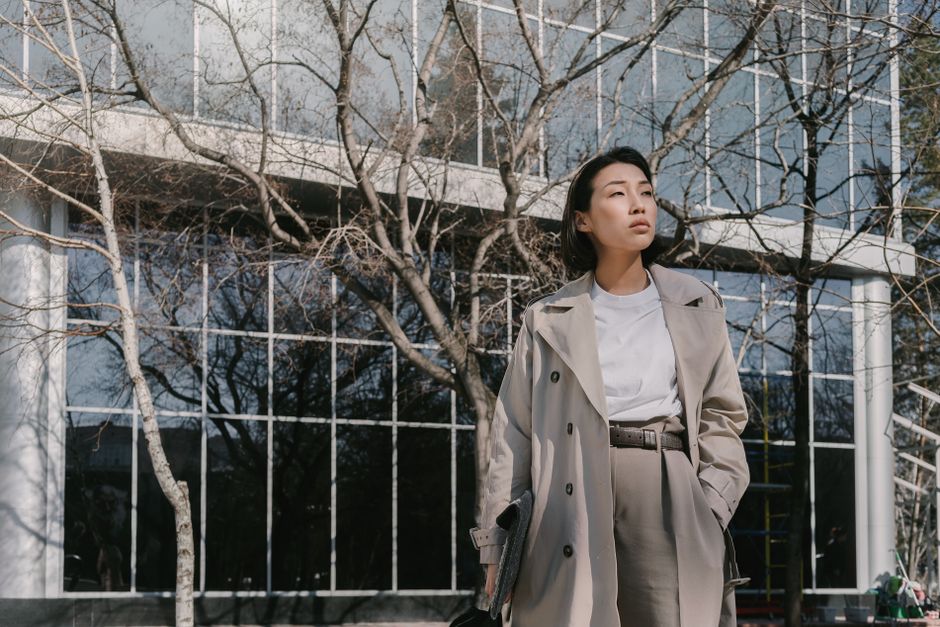
My strongest opinion: do not buy a winter-weight puffer just because March mornings feel cold. That choice often creates a jacket you cannot wear comfortably after 10 a.m. It also pushes you toward unnecessary spending. A better purchase blocks the conditions you actually face, then lets your base layer do the fine adjustment.
Four failure modes to avoid
- Buying by fill label alone. A jacket can contain down or synthetic insulation and still feel cold if the shell leaks wind through the zipper and cuffs.
- Ignoring indoor use. If your office, train, or car is heated, a very warm jacket becomes a burden you carry all day.
- Choosing water resistance for heavy rain. Water-resistant fabric can handle light drizzle, but sustained rain needs a waterproof shell or a reliable outer layer.
- Buying a long jacket with no sitting test. A hem that rides up, pulls across the hips, or catches on a chair will stay in the closet.
When not to buy a new jacket
Do not buy another transitional jacket if your current coat already blocks wind, fits over a sweater, and covers your lower back. Add a thin merino layer, scarf, or packable shell first. If you must use credit, check the total cost: a $239 jacket charged at 24.99%–29.99% APR can create meaningful interest even with a $0 annual fee, depending on your repayment speed. For a wardrobe gap, buy the missing function, not another color of the same jacket.
March jacket questions with clear answers
Is a puffer too warm for March?
A thin puffer is not automatically too warm. A 60-g synthetic jacket can work well around 40–50°F, especially in wind or light rain. A thick winter puffer usually overshoots the need once the afternoon reaches the mid-50s. Choose thin insulation, a front zip, and room to wear only a T-shirt underneath. My verdict: use a light puffer for cold commutes, not as the default for every March day.
Is a trench coat warm enough for early spring?
A trench can work from roughly 50–60°F when worn over a knit layer, but an unlined trench is a weak choice for cold wind. Its length may protect the legs while the thin fabric leaves the torso exposed. Look for a dense shell, a closed collar, and room for a sweater. My verdict: choose a trench for mild, rainy city days; choose insulation for cold mornings below 45°F.
What is the best one-jacket answer?
For most March wardrobes, buy a hip-to-upper-thigh jacket with light synthetic insulation, a wind-resistant shell, a two-way front opening, and enough room for one thin sweater. The Patagonia Nano Puff is the strongest functional reference, while the Uniqlo Ultra Light Down is the budget benchmark and the Barbour Beadnell is the style-led weather option. The clear recommendation is the middle-weight, upper-hip jacket: it handles cold starts, warmer afternoons, and real movement without pretending March is still January.