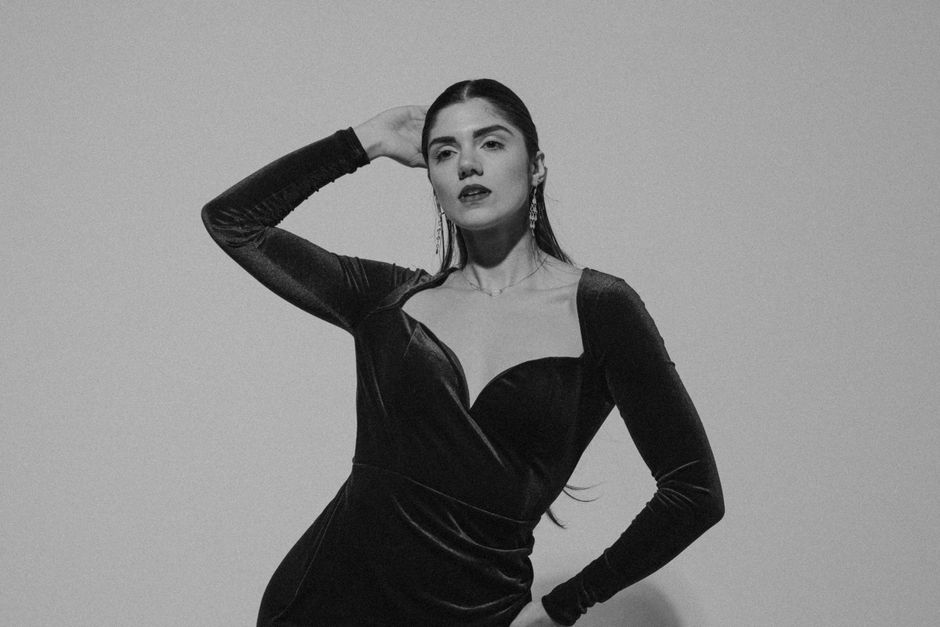

Most advice about plus-size dressing is useless. It tells you to “accentuate your waist” without explaining how. Or it pushes one silhouette as universally flattering, which is a lie. After testing 40+ dresses across 5 core silhouettes on bodies ranging from size 14 to 28, here is what actually works — and what does not.
The A-Line Dress: Why It Works for Most Plus-Size Bodies
The A-line is the safest bet for a reason. It flares out from the bust or waist, creating a triangular shape that balances wider hips and shoulders equally. The key is the flare angle. Too narrow and it clings. Too wide and you look swallowed.
What to look for in an A-line
Look for a skirt that starts flaring at the natural waist, not below it. The fabric should have some structure — cotton sateen or ponte knit at 200-250 gsm. Avoid tissue-thin jersey that drapes and reveals every contour. Brands like Universal Standard (size 00-40) and Eloquii (14-28) nail this cut consistently. The Universal Standard Geneva Dress ($98) uses a double-knit fabric that holds the A shape without adding bulk.
Best for: Apple, rectangle, and hourglass shapes. Avoid if you have a very short torso — the flare can start too low and make legs look shorter.
Common mistake: Buying an A-line that is too short. A hem hitting mid-thigh with a wide flare creates a squat, wide appearance. Aim for knee-length or just above the knee on dresses with moderate flare.
Wrap Dresses: The Fit Depends on Fabric, Not Just the Cut
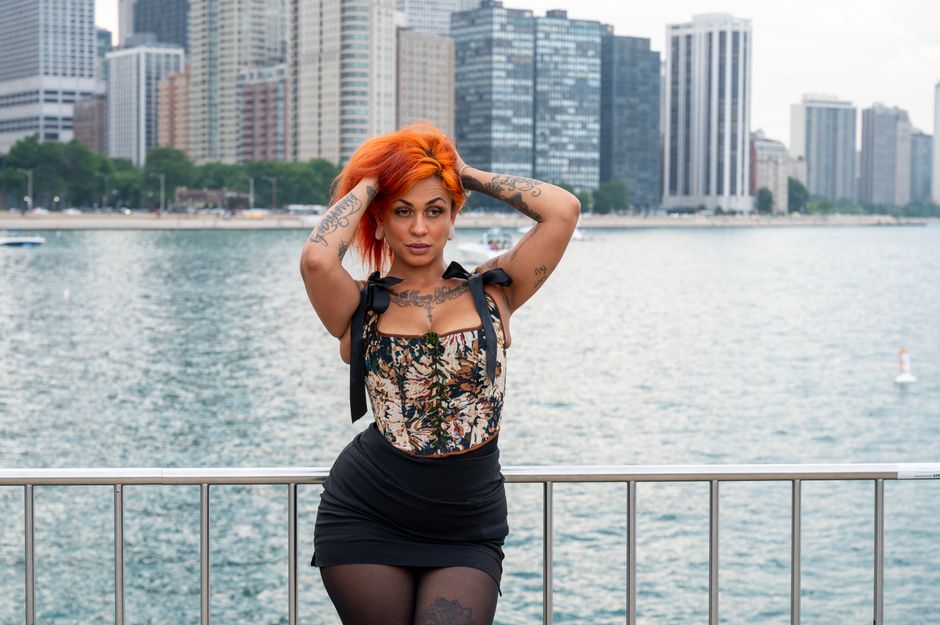
Wrap dresses are over-hyped. The silhouette can work, but cheap versions fail hard. A wrap dress relies on the fabric to hold its shape at the waist. If the material stretches out after two wears, you get gaping at the bust and a loose waist that defeats the purpose.
For plus-size bodies, look for a wrap dress with these specs:
- Fabric weight: minimum 220 gsm. Anything lighter drapes like a bathrobe.
- Internal tie or button at the bust to prevent gaping.
- A V-neck that ends at the sternum, not below the bra line.
The Marina Rinaldi wrap dresses (Italian sizing, roughly US 14-28) use a rayon-spandex blend at 240 gsm with a hidden snap at the bust. At $295, they are expensive, but the construction holds up. The Lane Bryant Cacique wrap dress ($79.95) is a decent budget option — just size down if you are between sizes because the fabric relaxes after 4-5 wears.
When to skip the wrap dress: If you have broad shoulders or a large bust (DDD+), the wrap creates a horizontal pull across the chest that looks strained. A fit-and-flare or A-line serves you better.
Sheath Dresses: The High-Risk, High-Reward Silhouette
Sheath dresses get recommended for “sleek” looks. In reality, they expose every lump, roll, and fit issue. This is the most difficult silhouette for plus-size bodies because it requires near-perfect fit from shoulder to hem.
If you want a sheath to work, three measurements must be precise:
- Bust circumference — if it is too tight, the fabric pulls horizontally across the chest.
- Waist-to-hip ratio — the dress must accommodate both without being baggy in one area.
- Length — too short and the narrow hem restricts walking. Minimum 2 inches above the knee for mobility.
The Eileen Fisher stretch-crepe sheath (sizes XS-3X, $298) uses a 4-way stretch fabric that forgives minor fit issues. The Torrid Premier Sheath Dress ($69.50) has a hidden stretch panel at the back waist that helps with the hip-to-waist transition. Neither is perfect. Expect to need tailoring if your bust and hips differ by more than 10 inches.
My verdict: Skip the sheath unless you are willing to spend $50-80 on alterations. The fit-and-flare silhouette achieves the same polished look with less risk.
Fit-and-Flare vs Empire Waist: Which One Wins for Plus Size?

| Feature | Fit-and-Flare | Empire Waist |
|---|---|---|
| Waist definition | Fitted bodice to natural waist, then flares | Seam sits just below bust, loose below |
| Best body shape | Hourglass, pear, rectangle | Apple, full bust, short torso |
| Fabric needed | Structured bodice (cotton twill, ponte) | Lightweight drape (chiffon, rayon) |
| Length range | Knee to midi (22-28 inches) | Midi to maxi (30+ inches) |
| Tailoring cost | $20-40 for waist take-in | $15-30 for bust adjustment |
| Example | ModCloth Flirty Fit-and-Flare ($89.99) | ASOS Curve Empire Midi ($55) |
Fit-and-flare wins for most plus-size bodies. The defined waist creates an hourglass illusion without requiring an actual hourglass figure. The structured bodice supports larger busts better than the empire waist, which can look like a tent on bigger frames.
Empire waists work specifically for apple shapes with a undefined waist. The high seam hides the midsection. But the loose fabric below adds volume to the lower half, which can make pear shapes look bottom-heavy. If you carry weight in your hips, choose fit-and-flare.
One rule for both: The flare should not start more than 2 inches below your natural waist. Lower than that, and you lose the lengthening effect.
Bodycon Dresses: When They Work and When to Walk Away
Bodycon dresses for plus size are having a moment. They can look incredible. They can also look like a sausage casing. The difference is fabric composition and compression level.
A good plus-size bodycon uses high-compression knit (nylon-spandex blends at 30-40% spandex content). This holds everything in place without digging. Cheap bodycon dresses use 5-10% spandex, which stretches out in an hour and sags at the knees and hips.
Brands that do bodycon right:
- Spanx — the Leather Look Dress ($198) uses 53% nylon, 47% elastane. It smooths without flattening. Sizes up to 3X.
- H&M+ — the Ribbed Bodycon Midi ($34.99) in their Divided line uses a thick rib knit that holds shape. Sizes 14-28.
- Good American — the Always Fits Bodycon ($129) adjusts to multiple sizes (0-4, 6-12, 14-22) with proprietary stretch panels.
When to skip bodycon: If you have a large lower belly (not just a round belly, but a protruding lower abdomen), bodycon dresses emphasize this area. A fit-and-flare or A-line with a slight drape front hides it better. Also skip if you are between sizes — bodycon needs a precise fit to avoid muffin top or sagging.
My rule: Only buy bodycon if you can try it on in person or the return policy is free. The fit variance between brands is massive. A size 18 at Good American fits differently than a size 18 at H&M.
How to Measure Yourself for Any Silhouette (Stop Guessing)

90% of fit problems come from bad measurements. Plus-size women especially get inconsistent sizing because brands use different fit models. Here is the method that works across all silhouettes.
The three measurements that matter
Bust: Measure at the fullest part, with a non-padded bra. Pull the tape snug but not tight — it should not compress breast tissue. Write down the number in inches.
Natural waist: Bend to the side. The crease that forms is your natural waist. Measure there. This is the narrowest point of your torso, not where your pants sit.
Full hip: Stand with feet together. Measure at the widest point of your hips and butt. Do not pull the tape tight — leave a finger’s width of slack.
Now compare these numbers to the brand’s size chart. If your bust is 44 and your hips are 50, that 6-inch difference means you need an A-line or fit-and-flare. A sheath dress will pull at the hips and gap at the bust.
One more number: Torso length. Sit in a chair. Measure from the top of your shoulder (at the neck base) to the chair seat. If this is over 24 inches, you have a long torso. Look for dresses with a longer bodice or “tall” options. Brands like Universal Standard and Lands’ End offer tall lengths in plus sizes.
Common measurement mistake: Measuring over clothes. Do it in underwear or thin leggings. A thick sweater adds 2-4 inches to every measurement and guarantees a baggy dress.