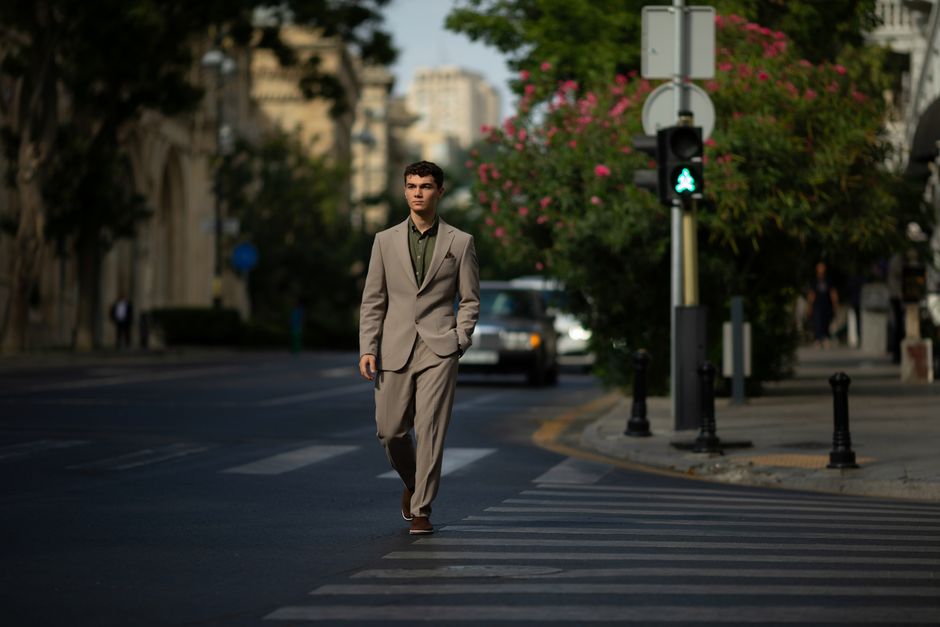

The surprising fact about a polished jacket is that softness comes from measurements, not from fabric alone. A lower shoulder line, a little extra room through the chest, and a clean sleeve can make tailoring feel relaxed while keeping the outfit sharp. That balance is the point of soft tailoring for late winter: enough shape for work, enough ease for a thick knit, and enough restraint to avoid looking like you borrowed an oversized coat.
What makes an unstructured jacket look polished?
The three signals that matter most
An unstructured jacket removes some of the internal padding, canvas, and stiffness found in traditional suiting. It should not remove all signs of design. The best versions still have a clear shoulder seam, a controlled lapel, clean pockets, and a hem that ends at a useful point on the hip or upper thigh. Those details give the eye a reason to read the jacket as tailored.
Look for a shoulder that follows your body instead of extending sharply past it. The chest should close without pulling, but it should also avoid a deep, empty fold below the button. A soft jacket can drape, yet the front should not collapse into a cardigan shape. For late winter, a fabric weight around 300 to 450 grams per square meter works well over a fine-gauge sweater without becoming a full winter coat.
A useful comparison before you buy
| Example | Listed price | Useful detail | Best verdict |
|---|---|---|---|
| COS Relaxed-Fit Minimal Wool Blazer | €175 | 100% RWS wool; 73.5 cm back length in EU 36 | Best for a clean, minimal work wardrobe |
| Banana Republic Relaxed Wool-Blend Blazer | $348 | 53% wool, 43% polyester, 4% elastane; fully lined | Best for stretch and a longer, roomier fit |
| Madewell The Mercer Relaxed Blazer | $248 | Relaxed blazer shape with a softer everyday profile | Best for jeans and office trousers |
| Quince Stretch Crepe Relaxed Double-Breasted Blazer | $84 sale; $248 reference price | Wrinkle-resistant stretch crepe; slightly oversized cut | Best for travel and low-maintenance dressing |
The table shows the real tradeoff. Pure wool gives the richest surface and the most natural drape, but it asks for more care. Stretch blends are easier on crowded commutes and long days. A jacket with a soft shoulder is not automatically better; the construction must still control the front, sleeve, and hem.
For late winter, softness beats sharp suiting
The clear verdict
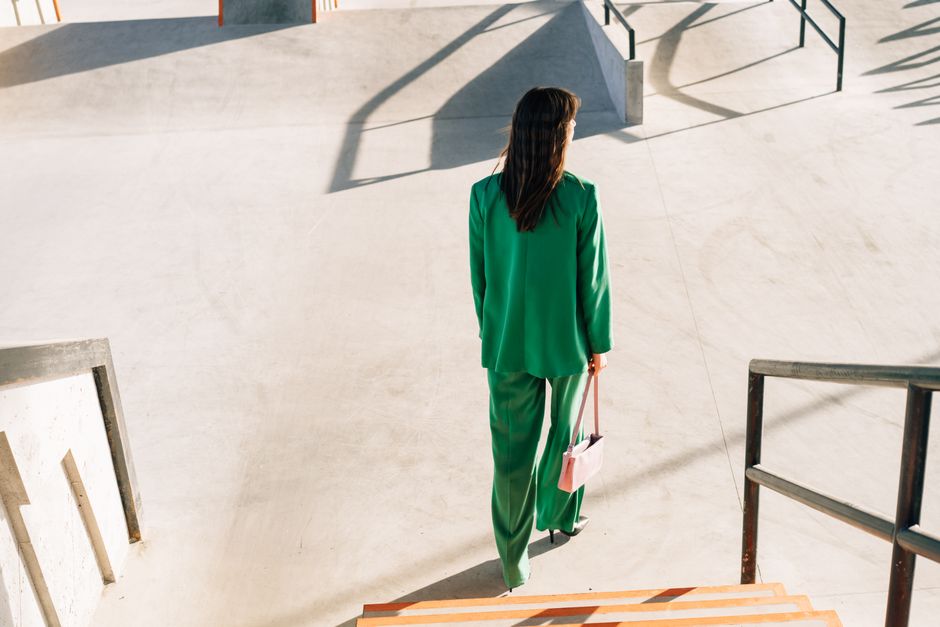
Choose an unstructured jacket over a rigid blazer when you need one layer to work across indoor heat, cold streets, and thick knitwear. The best late-winter jacket should feel closer to a refined overshirt than a boardroom uniform, but it still needs enough shape to frame the face and organize the outfit.
Why the category works
Soft tailoring solves a simple clothing problem: winter layers are bulky, while formal tailoring is often too narrow and stiff to accommodate them. A relaxed cut creates space for a merino sweater or fine cashmere crew neck without forcing the sleeve to ride up. The result looks composed because the jacket adds a strong vertical line, even when the fabric moves with the body. That is why the style works with denim, pleated trousers, midi skirts, and simple knit dresses instead of requiring a complete suit.
How to check the fit when you are wearing winter layers
Start with the shoulder and chest
Try the jacket over the thickest top you expect to wear. Raise both arms, reach forward, and sit down. The shoulder seam should stay near the end of your shoulder rather than sliding halfway down the upper arm. A dropped shoulder can look intentional, but a seam that falls more than about 3 cm past the shoulder point often turns tailoring into shapeless outerwear.
Close one button and look for tension lines. Horizontal pulls from the button toward the side seam mean the chest is too tight. A large vertical fold under the lapel usually means the jacket is too loose or the shoulder is too broad. If the jacket has no buttons, use the overlap at the front as the test: the two sides should meet naturally without constant adjustment.
Then check the sleeve and hem
For a late-winter jacket, the sleeve should finish at the wrist bone or just below it. That leaves roughly 1 to 2 cm of a knit cuff visible without exposing the whole sweater sleeve. A sleeve that covers the hand makes the jacket look like a coat; one that ends above the wrist makes the layer feel too small.
The hem should cover the waistband and sit smoothly over the seat. A length between the high hip and mid-hip usually gives the most flexibility with trousers and jeans. Longer styles can look excellent with a narrow trouser or a straight skirt, but they need a controlled shoulder and a clean side seam. A long, wide jacket with a soft fabric and no visible structure is the fastest route to a robe effect.
Watch for the common failure modes
- Do not size up simply to fit a sweater. Check the shoulder first; extra width through the chest can often be altered, but a dropped shoulder is harder to rescue.
- Do not confuse an unlined jacket with an unstructured jacket. An unlined piece may feel light but still have a strong, formal cut.
- Do not choose a very thin fabric for a cold late-winter commute. It may collapse under a scarf and lose its shape by midday.
- Do not ignore the back. A jacket can look relaxed from the front and still pull across the shoulder blades when you reach for a bag.
The most reliable fit has ease where movement happens and control where the eye looks first: shoulder, lapel, button, and hem.
Five ways to wear soft tailoring without looking underdressed
The practical styling sequence
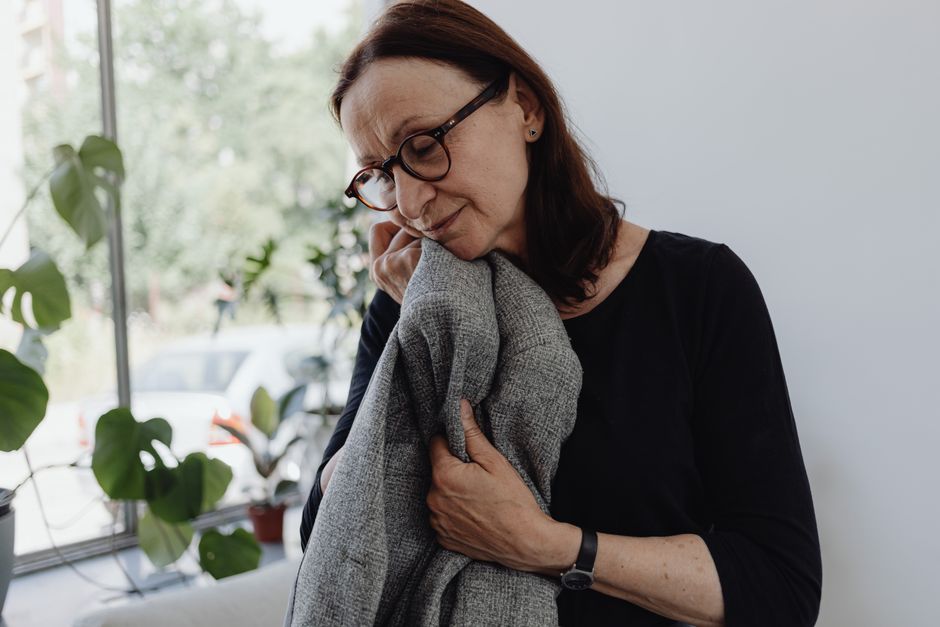
- Start with one crisp anchor. Wear the soft jacket over a smooth knit, a pressed shirt, or a fine-gauge turtleneck. A clean base keeps the relaxed construction intentional.
- Balance volume below. Pair a roomy jacket with straight-leg jeans, tailored trousers, or a skirt that falls cleanly from the hip. Two oversized pieces can work, but they need a strong shoe or visible ankle to prevent the outfit from becoming a single loose block.
- Use one warm texture. Wool, brushed cotton, suede, or ribbed knit adds late-winter depth. Avoid combining a fuzzy sweater, brushed jacket, blanket scarf, and heavy corduroy all at once; the surface becomes noisy.
- Pick the right jacket for the job. The COS Relaxed-Fit Minimal Wool Blazer is the strongest choice for a restrained office wardrobe because its 100% wool construction and clean single-breasted shape keep the outfit focused. The Banana Republic Relaxed Wool-Blend Blazer is better for a fuller chest or layered commute because its relaxed fit and 4% elastane allow more movement.
- Know when to choose a different category. Pick the Quince Stretch Crepe Relaxed Double-Breasted Blazer for frequent travel and wrinkle resistance. Pick the Madewell Mercer Relaxed Blazer for casual denim outfits. Choose a traditional structured blazer instead when you need a sharp suit line, a formal interview look, or a jacket that will hold its shape through a long presentation.
The strongest styling rule
Keep the palette quiet and let the proportion do the work. Charcoal, navy, camel, espresso, and soft black make a relaxed jacket look deliberate, especially when the outfit includes sneakers or flat boots. If the jacket is patterned, keep the rest of the look simple. If the jacket is plain, use a textured knit or a visible belt to give the outfit a focal point.
The goal is not to make soft tailoring look formal. It is to make comfort look edited.
Soft tailoring questions worth answering before you buy
Can an unstructured jacket replace a winter coat?
No. It can replace a blazer or light jacket, but it will not provide the wind protection, insulation, or coverage of a proper coat. In temperatures below about 8°C, layer it under a wool coat or over a thin down vest. The jacket adds polish; the outer coat handles the weather.
Should an unstructured jacket be oversized?
No. Relaxed is the better target. You need enough room for a 2 to 4 mm knit layer without pulling, but the shoulder seam, sleeve, and hem still need a clear endpoint. If the jacket looks good only with the sleeves pushed up, the proportions are probably wrong.
Is wool always the best fabric for late winter?
No. Wool is the best choice for natural drape, warmth, and a rich surface, but a wool blend or stretch crepe may serve better on travel days. Choose pure wool for a quiet, long-term wardrobe piece; choose a synthetic blend when easy care, stretch, and wrinkle resistance matter more. Skip very light linen until temperatures rise unless you want a deliberately transitional look.
Soft tailoring is moving toward lighter construction, better layering space, and fabrics that can handle real schedules. The next useful jacket will not be the stiffest one in the closet; it will be the one that keeps its polish while moving easily through the changing weather of late winter.