
Travel trousers should not be judged while standing beside a suitcase. They need to survive a long seat, a fast platform change, temperature swings and arrival plans without becoming the only thing you can think about.
The outfit worn in transit often has to perform the longest shift of the trip. It begins at home, spends hours folded into a seat, moves through stairs and platforms, handles a warm terminal and a cold street, then appears at a hotel desk or dinner table. Packing a separate look for every stage wastes space. Expecting one uncomfortable trouser to endure the route wastes patience.
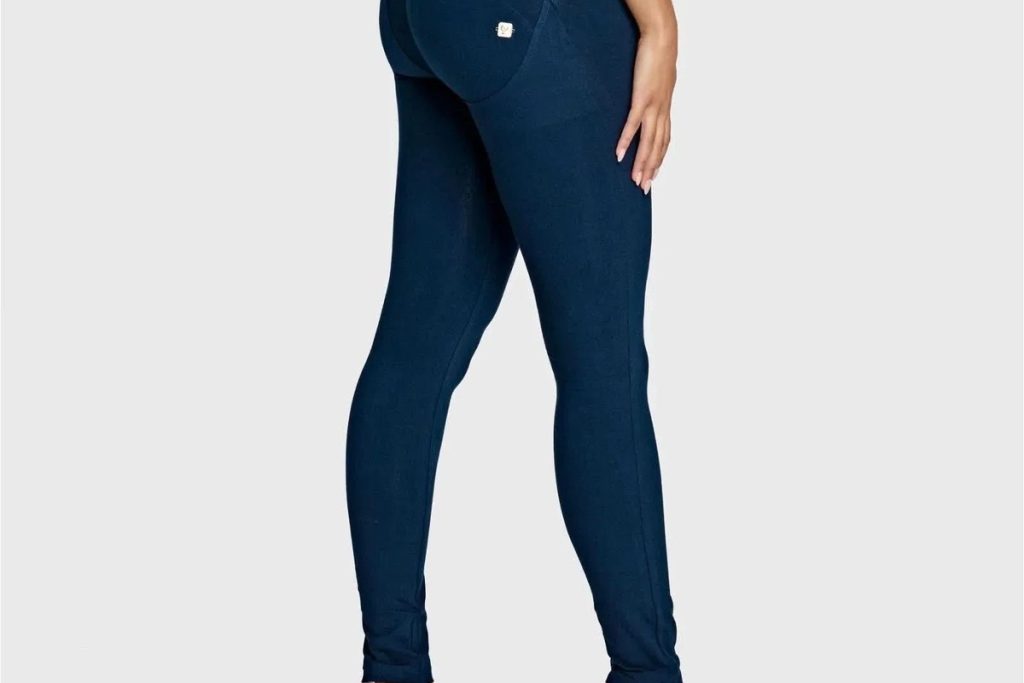
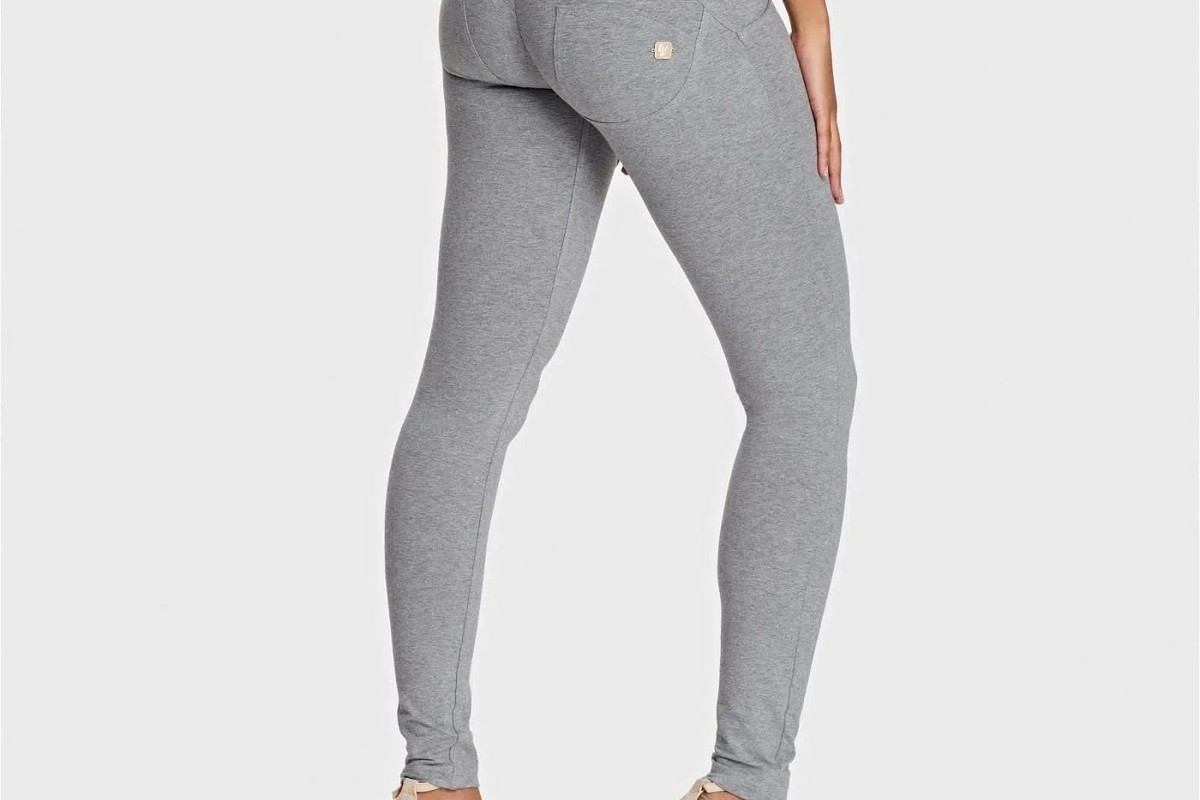
A useful travel trouser earns its place through recovery, movement and adaptability. Freddy's range includes full-length fashion trousers, shorter denim, flares and softer grey options, which create different trade-offs. The test below does not pretend one silhouette suits every journey. It asks the same practical questions of each one.
Run the test before departure. Wear the trousers for a normal half-day, sit in the chair you use for work, walk outside with the planned shoes and carry the actual bag. A garment becomes travel-ready through evidence, not because it was placed next to a passport in a packing photograph.
Stop 1 — the two-hour seat test
Begin with the least glamorous part: sitting. Wear the trousers for two hours at a desk or dining chair. Notice pressure at the waistband, bunching behind the knees, twisting at the side seams and whether pockets create hard points under the body. A soft first impression is not enough; discomfort often appears only after the fabric warms and settles.
Stand without smoothing anything and look at the front, back and knees. Some creasing is normal. The question is whether the trousers recover after a few minutes of walking or hold a sharp seated map for the rest of the day. Dark navy may hide the evidence; melange grey reveals it. Use touch as well as sight when comparing surfaces.
Check the waistband again after eating. Travel rarely follows the controlled routine of a fitting room. If the closure already feels exact before lunch, the margin may be too small for a long day. Comfort is not permission for the trousers to slide; it is enough flexibility for breathing, sitting and ordinary changes in the body.
Stop 2 — the platform and pavement circuit
Walk quickly for fifteen minutes while carrying the main travel bag. Include stairs if possible. The bag changes posture and stride, and a trouser that remains stable during an unburdened mirror walk may begin to slip, twist or restrict. Pay attention to whether you keep pulling at the waistband or lifting the legs before each step.
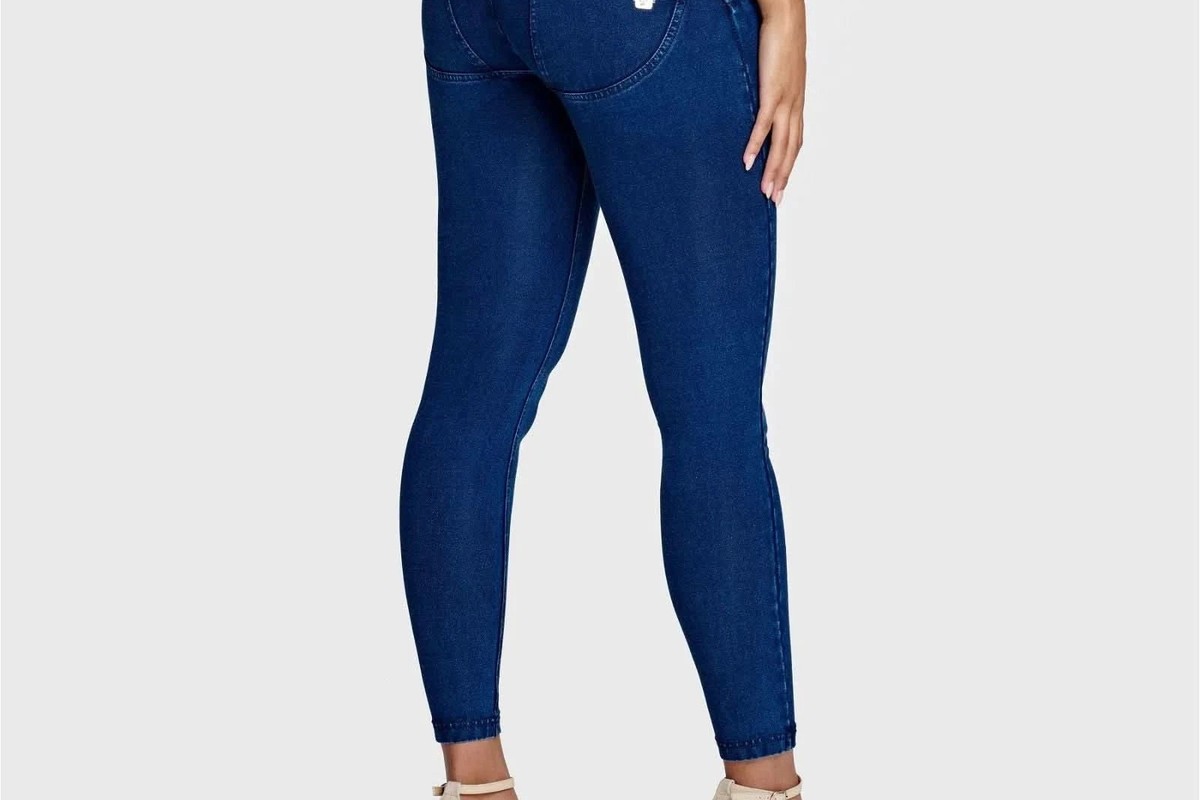
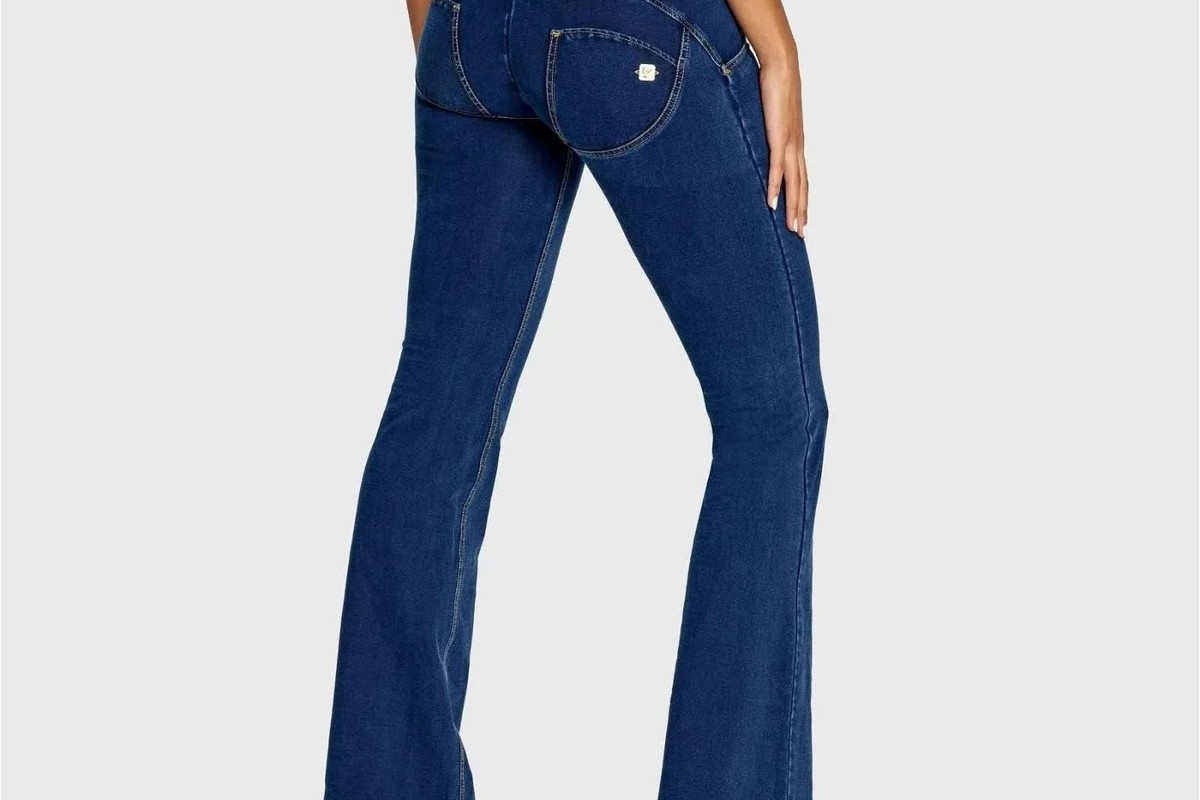
Length becomes operational here. A seven-eighth cut stays away from wet pavement and escalator edges. A full-length straight leg can create a clean line without much management. A flare has more movement and may require a specific shoe height. None is automatically unsuitable, but the route must be honest about weather, luggage and the number of stair changes.
Test the pockets with the objects they will actually carry. A phone can change the hang of a close trouser; a passport can create a visible rectangle; an overloaded rear pocket can affect seated comfort. Decide which items belong in the bag instead of asking the garment to act as storage simply because pockets exist.
Stop 3 — the arrival reset
After the walk, hang the trousers for ten minutes while changing the top or washing your face. This pause simulates the small reset available after check-in. See whether the fabric releases creases and whether the shape returns without steaming. If the garment needs a full pressing to feel presentable, decide whether the hotel and itinerary realistically support that ritual.
Change only the top and shoes. The trousers should move from travel to arrival without requiring a complete styling rebuild. A navy full length can support a knit in transit and a clean shirt later. Short denim can work with trainers and then a compact boot. Grey can soften black layers and prevent the entire travel wardrobe from becoming one dark block.
Do not overpack backup bottoms to compensate for uncertainty. If the trousers pass the test, one spare top and fresh underlayer usually change the outfit more efficiently than another bulky pair. Keep a second bottom only when weather, formal plans or the length of the trip gives it a specific job.
Read the silhouette against the route
Full length offers coverage and a continuous line, useful in cool weather and at a polished arrival. It also brings the hem closer to dirt and rain. Seven-eighth length is practical around wet ground and highlights the shoe, but exposed ankle may be uncomfortable in cold stations. Flare adds shape and can make a simple upper half feel intentional, yet the extra hem width needs more awareness on stairs.
Mid rise and high rise distribute pressure differently through a long seat. The choice should be based on the earlier comfort test, not on a rule about travel dressing. A supportive high waist may feel excellent for one person and restrictive for another. A mid rise may allow easier breathing but require more checking with a short top or heavy bag.
The best silhouette is the one whose disadvantages match problems you are prepared to manage. Carrying an umbrella may make a full-length trouser reasonable. Wearing warm socks may solve the shorter length. Choosing a stable shoe height may support the flare. Travel style improves when trade-offs are planned rather than discovered at the gate.
Pack in sequence, not by imagined occasion
Place the tested trousers at the centre of the plan. Add the transit top, the arrival top, a layer and the two shoe options the route actually needs. Every piece should connect back to the trousers. If a blouse only works with a separate bottom, it is introducing a second wardrobe rather than helping the travel system.
Photograph the transit and arrival combinations before packing. The image confirms proportion and removes decision-making after a delayed journey. It also reveals whether the two outfits are genuinely different or merely the same look with an unnecessary extra item added.
On the return trip, note what happened: pressure after sitting, pocket use, temperature comfort, creasing and which shoe was worn. That short record is more valuable than a generic packing list. It tells you whether this pair deserves another route and what adjustment would make the next one easier.
A travel trouser is proven before the ticket is scanned
The seat, walking circuit and arrival reset turn a vague idea of comfort into evidence. They also make the differences between full length, shorter denim, flare and softer fashion trousers practical rather than decorative. A successful pair reduces the number of backups and remains presentable when the day becomes longer than planned.
Freddy's varied cuts offer useful candidates for that comparison. Choose the silhouette that suits the real route, test it with the real bag and shoes, and pack around what the garment has already proved it can do.