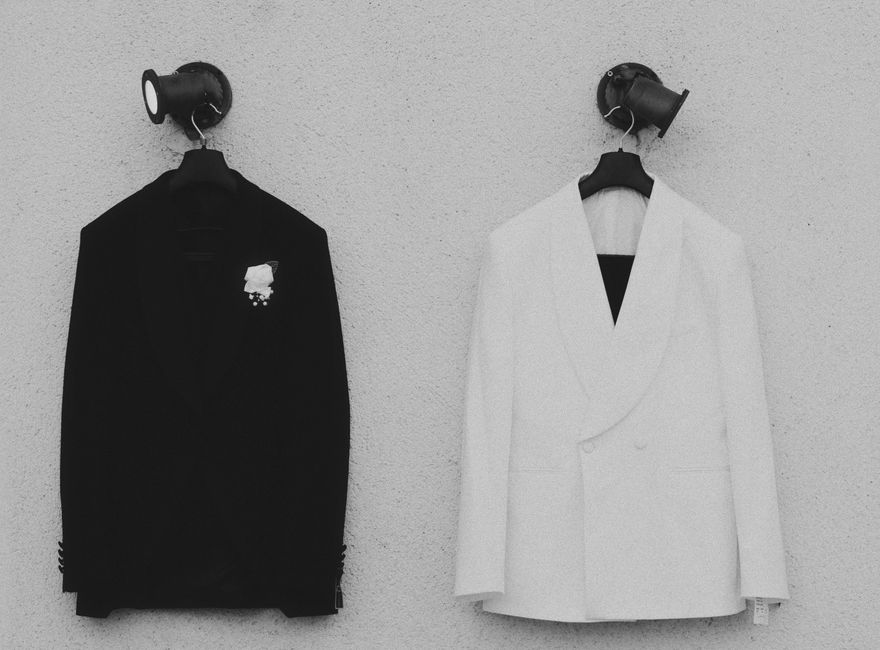

You open the invitation. Gold foil. Heavy card stock. At the bottom, three words: “Black Tie Optional.” Suddenly you have a problem.
What do you actually wear? Not what you wish you could wear. Not what your friend wore last summer. What works for this wedding, this venue, this season — without buying five dresses and returning four.
Most advice online is vague. “Dress for the venue.” “Don’t wear white.” Okay, but what about the rest? This guide cuts through the noise. You will leave with a clear rule set and at least two specific dress options that fit your budget and body.
The Dress Code Decoder: What Those Three Words Actually Mean
Wedding dress codes exist because couples want a cohesive look in photos. They also exist to stop you from showing up in a sundress to a formal ballroom. Here is the real translation.
| Dress Code | What It Means | Hem Length | Fabric Rule |
|---|---|---|---|
| White Tie | Most formal. Evening gown required. Floor-length. No exceptions. | Floor-length | Silk, velvet, satin. No cotton or linen. |
| Black Tie | Formal. Floor-length gown or very dressy cocktail. Think red carpet, not office party. | Floor-length or midi | Luxe fabrics. Chiffon, crepe, tulle. Avoid jersey. |
| Black Tie Optional | Gown is safe. A polished cocktail dress also works. No sundresses. | Tea-length to floor | Structured fabrics. Jacquard, brocade, or heavy silk. |
| Formal / Black Tie Preferred | Same as Black Tie Optional. Err on the side of longer. | Midi or floor | Same as above. |
| Semi-Formal / Cocktail | Knee-length or midi. Dressy but not floor-length. A little fun is fine. | Knee to midi | Crepe, satin, lace. Sequins optional. |
| Casual / Beach / Garden | Day dress. Sundress. Flowy fabrics. No jeans unless specified. | Mini to knee | Cotton, linen, viscose. Keep it light. |
The single biggest mistake is wearing something one level too casual. A knee-length cocktail dress at a black-tie wedding sticks out. A floor-length gown at a garden party looks overdressed. Match the code, not your mood.
If the invitation says nothing, assume semi-formal. That is the safest middle ground.
The Three-Question Filter That Eliminates Bad Choices
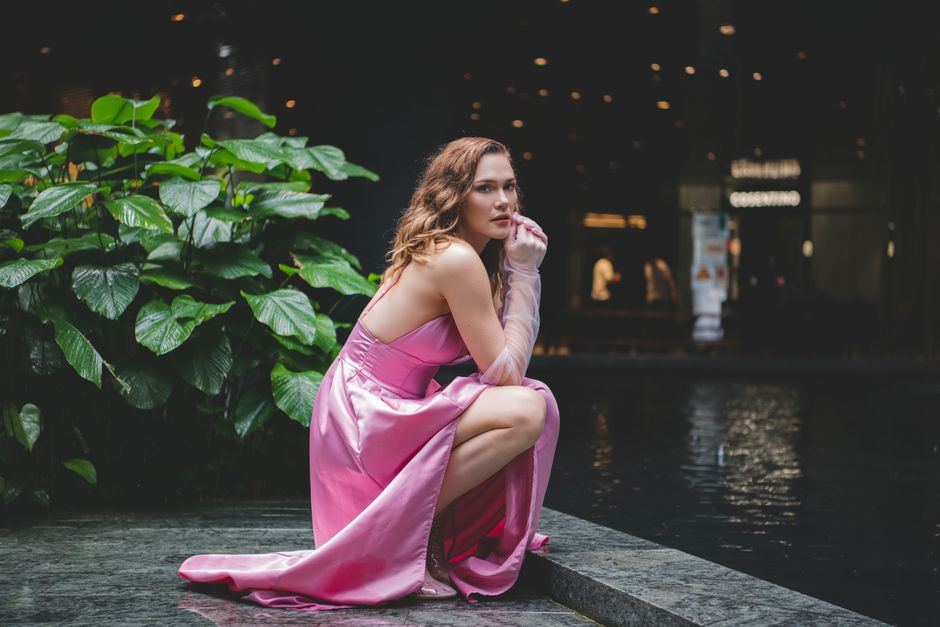
Before you open a single online tab, answer these three questions. They will save you hours of scrolling and at least one return.
1. Where is the ceremony?
A church wedding in January needs sleeves or a wrap. A beach wedding in July needs breathable fabric and a hem that won’t drag in sand. A rooftop bar at sunset needs a dress that photographs well in low light. Venue dictates fabric, length, and layering.
2. What time does it start?
5 PM or later = darker colors, richer fabrics, longer hems. 2 PM = lighter colors, shorter hems, less shine. This is not a hard rule, but it helps. A sequin mini dress at 2 PM looks off. The same dress at 8 PM looks perfect.
3. What will you do in it?
Stand for photos? Dance for three hours? Eat a multi-course dinner? A dress that restricts movement or makes you tug at the straps all night is a bad dress. Test it before the wedding. Sit in it. Bend over in it. If it rides up or digs in, move on.
These three filters eliminate 80% of the options instantly. You are not looking for “a pretty dress.” You are looking for a dress that fits the venue, time, and activity level.
Color Rules That Actually Matter (Beyond “Don’t Wear White”)
Everyone knows not to wear white. But the color traps go deeper.
Off-white, ivory, and champagne are just as risky. If the bride might wear it, skip it. This includes blush, pale pink, and cream. Yes, even if the invitation says “colorful attire.” Brides choose unexpected shades. Do not test this.
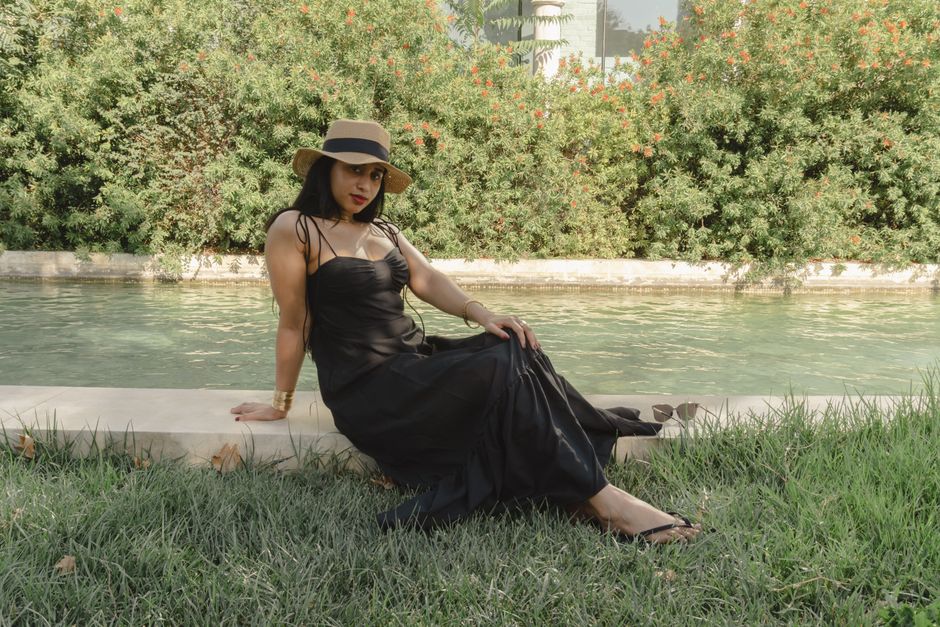
Black is fine now. It was once considered taboo for weddings. That changed around 2015. A black dress at an evening wedding is classic. At a daytime garden wedding, it looks heavy. Add color with shoes or jewelry.
Red is complicated. In some cultures, red is the bride’s color. In Western weddings, a bright red dress can read as attention-seeking. A deep burgundy or wine shade is safer. If you choose red, keep the silhouette modest.
Prints are excellent — but not floral prints that resemble a bridesmaid dress. Large-scale prints or abstract patterns work best. Small ditsy florals can look too casual or accidentally match the wedding party.
If you are unsure, choose a solid jewel tone. Emerald, sapphire, amethyst. They photograph well, work across seasons, and rarely clash with the wedding palette.
Fabric and Fit: Why Most Dresses Look Cheap in Photos
You see a dress online. It looks stunning. You order it. It arrives and the fabric wrinkles in ten minutes. In photos, it looks like a wrinkled napkin.
The problem is almost always fabric.
Cheap polyester jersey drapes poorly. It clings in the wrong places and shows every crease. Lining matters too. A dress with no lining can be see-through in direct sunlight. Hold the dress up to a light before buying. If you can see your hand through it, the dress will flash in photos.
Better fabrics for guest dresses:
- Crepe — drapes well, doesn’t wrinkle badly, works for most body types
- Double-faced satin — heavy enough to hold shape, photographs like silk
- Structured cotton poplin — great for daytime, holds pleats and shape
- Viscose or Tencel blends — breathable, soft, less static than polyester
Fit is the second trap. A dress that fits perfectly off the rack is rare. Budget for alterations. Hemming a midi dress to the right length costs $20–40. Taking in the waist costs $15–25. A tailored $80 dress looks better than an untailored $300 dress.
Look for dresses with adjustable features: tie waist, wrap style, or a back zipper with a hook-and-eye closure. Stretchy fabric without structure can look sloppy. A little structure goes a long way.
Where to Shop: The Short List for Guest Dresses
You do not need to browse 50 stores. These five cover every dress code and budget.
Lulus ($50–$150) — Best for cocktail and semi-formal. Wide size range. Filter by “wedding guest” and you get 200+ options. The Lulus Forever Fond midi dress in emerald green is a consistent winner. Runs true to size. Ships fast.
Reformation ($200–$400) — Best for formal and black tie optional. Sustainable fabrics. The Reformation Cora Dress in black is a go-to for evening weddings. Floor-length, bias-cut, hides nothing — so size up if between sizes.
ASOS ($40–$120) — Best for budget-friendly variety. Their ASOS Design line has dozens of guest-appropriate styles. The ASOS Design premium satin cowl neck midi dress is under $70 and looks expensive. Watch the fabric composition — some are 100% polyester and can feel cheap.
Nordstrom ($100–$500) — Best for trying before buying. Free shipping and returns. The Nordstrom Halogen line has reliable cocktail dresses. The Lace & Beads sleeveless sheath dress is a solid semi-formal pick. Free alterations on full-price items.
Rent the Runway ($30–$100 per rental) — Best for one-time events. You can rent a $600 Amsale gown for $70. Reserve early — popular styles book out weeks in advance. Size up if between sizes. Dry cleaning is included.
One hard rule: Do not buy a dress you cannot return easily. Weddings are unpredictable. You might lose weight, gain weight, or simply hate the dress when it arrives. Free returns are non-negotiable.
Three Mistakes That Ruin a Guest Outfit (And How to Fix Them)
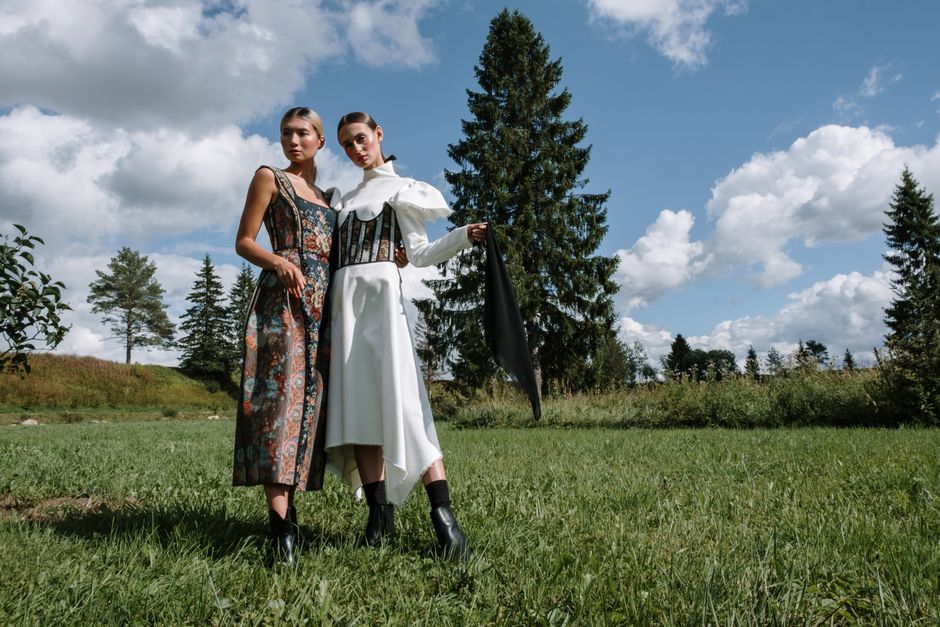
These are the errors I see at every wedding. Avoid them and you will automatically look more polished than half the room.
Mistake 1: Wrong undergarments.
A visible bra strap or panty line ruins the clean line of a dress. Strapless dresses need a strapless bra that fits. Backless dresses need adhesive cups or pasties. Seamless underwear in nude (not white) is essential for fitted dresses. Test the undergarments with the dress before the wedding day.
Mistake 2: Shoes that do not match the terrain.
Stilettos on grass sink. Block heels or wedges work better for outdoor ceremonies. If the reception has a dance floor, bring a backup pair of low heels or flats. Nobody notices your shoes after the first hour. They do notice if you are limping.
Mistake 3: Over-accessorizing.
A statement necklace + chandelier earrings + a bold bracelet + a clutch with hardware = too much. Pick one focal point. If the dress is plain, add a necklace. If the dress has embellishment, skip the necklace and wear small earrings. Clutches should be small and hold only your phone, lipstick, and ID. Leave the giant tote at home.
These three fixes cost nothing. They make the difference between “she looks great” and “she looks like she tried too hard.”
When to Ignore the Dress Code Entirely
Sometimes the dress code is wrong. Not maliciously — but because the couple did not think it through.
Outdoor ceremonies in hot climates with a “black tie” dress code are a mismatch. A floor-length velvet gown at a 95°F vineyard wedding is miserable. In this case, choose a lighter fabric and a shorter hem. A midi dress in silk crepe is respectful without causing heatstroke. The couple will not notice your hem length. They will notice if you are sweating through the vows.
Cultural or religious ceremonies often override Western dress codes. A Hindu wedding might require covered shoulders and knees, even if the invitation says “cocktail.” A Catholic mass might require covered shoulders. Always research the venue and tradition. Bring a wrap or shawl as insurance.
“Creative black tie” is a trap. It sounds fun. In practice, it means the couple wants formal but with personality. Do not interpret this as permission to wear a neon jumpsuit. Stick to the black tie rules but choose a bolder color or an interesting silhouette. Think a deep plum jumpsuit in crepe, not a sequined leotard.
When in doubt, ask the couple or the wedding party. One text message saves you from being the person who wore a ball gown to a barn wedding.
The best wedding guest dresses do not compete with the wedding. They complement it. You are there to celebrate, not to perform. A dress that lets you move, dance, and eat comfortably is the right dress. Everything else is decoration.