
Fashion trends typically cycle through in 18 months or less. The mob wife aesthetic went viral in early 2026 and is still being actively styled heading into winter 2026. That staying power says something about what this look is actually built on — it isn’t trend-chasing. It’s a clear visual language with rules.
The roots go back to Italian-American style of the late 1980s and ’90s: structured fur, heavy gold, leopard print worn without apology, a dark lip that closed negotiations before anyone spoke. Think Carmela Soprano, but also the real women from that world who dressed this way as daily practice. The aesthetic communicates deliberate excess. Every piece looks chosen on purpose. Pulling that off is harder than it sounds.
The Visual Code Behind Mob Wife Dressing
This is not the same as maximalism or dopamine dressing, which lean playful and eclectic. Mob wife style is authoritative. It borrows specific visual codes from a specific cultural moment and repurposes them as contemporary power dressing.
The references are narrow: Versace’s late-’80s animal prints, Italian tailoring that treated fur as a practical fiber rather than an event garment, and a makeup approach that treated the face as part of the outfit — not an afterthought to it.
The four non-negotiable elements
Drop more than one of these and the look shifts into something else entirely:
- Volume at the coat level — floor-length or midi faux fur that adds silhouette. Not a fitted puffer. Not a short jacket. A coat that takes up physical and visual space.
- Gold jewelry in quantity — chunky chains, statement hoops, rings on more than one finger. Visible from six feet away. Not the dainty layering of minimalist trends.
- One animal print piece — leopard is the established default, but snakeskin and zebra both work. One piece. The print punctuates the outfit; it does not dominate it.
- A structured bag in a dark or rich tone — black, burgundy, cognac. This is where the “wife” part of the aesthetic lives: organization inside the drama.
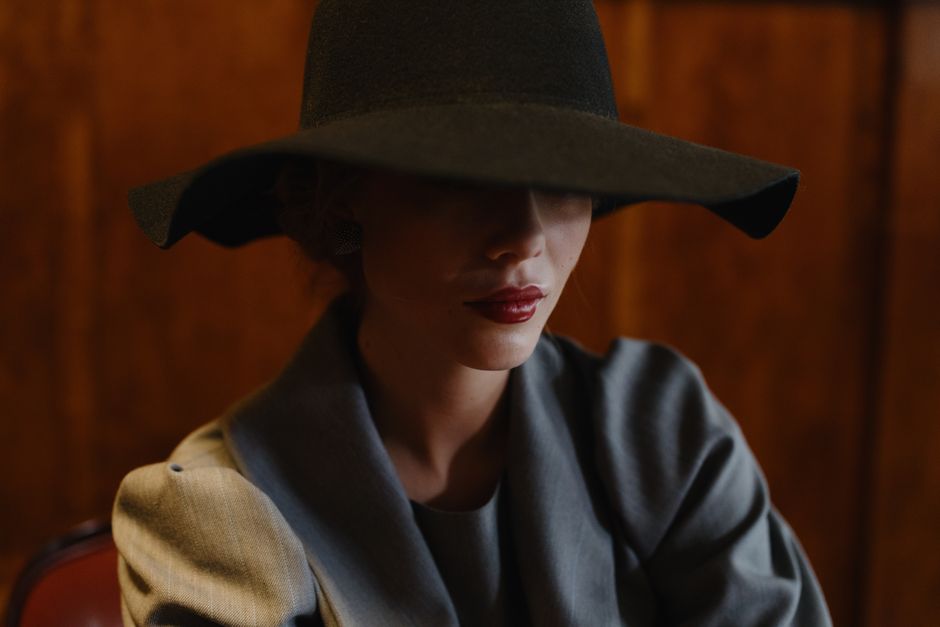
Makeup completes it. A dark lip — oxblood, deep plum, or classic red — defined brows, and full coverage. The bare-skin approach belongs to a different aesthetic entirely.
What this aesthetic is not
It’s not trashy. That’s the most common misread. The look is expensive-appearing by design, even when built on a tight budget. It’s also not retro or costume-y in intent — it’s not about recreating a decade. It takes specific visual codes and uses them to say something current about power and presence.
Five Specific Pieces That Actually Build the Look
Most trend guides describe vibes. These are actual items worth knowing:
- Faux fur coat — The Apparis Marlee Faux Fur Coat ($265) is the most frequently cited entry piece for this aesthetic. Long, dramatic, available in several neutral tones. The Jakke Tammy coat runs around $180 and achieves a near-identical silhouette in caramel and black. Both read expensive in person and on camera. Avoid cropped faux-fur styles — they pull the look toward après-ski, away from power entrance.
- Chunky gold chain — Mejuri’s Bold Chain Necklace ($98) hits the right thickness without tipping into costume territory. Layer two pieces of different lengths. The goal is presence, not subtlety. ASOS carries near-identical versions under $20 if budget is the constraint.
- Leopard print piece — Zara restocks leopard midi skirts seasonally at $49–$65. A blouse or scarf works equally well. One animal print per outfit is the rule. Two is the mistake.
- Oversized dark sunglasses — The Versace VE2150Q frames ($245 full price) are the aesthetic reference point. Mango and ASOS both carry oversized cat-eye styles under $30 that hit the same visual note without the logo markup.
- Structured handbag — The Coach Tabby ($350) is the most accessible genuine leather option in this category. It comes in a chain-strap variation, in burgundy and black, and holds its structure through real use. The Gucci Jackie 1961 ($1,200+) is the obvious aspiration piece, but not a requirement for a coherent look.
Two technique tips that cost nothing: wear your underlayer fitted rather than oversized (the contrast with the dramatic coat is essential), and keep footwear simple — a block-heel boot or pointed-toe flat keeps focus on the upper body where the look actually lives.
Mob Wife vs. Old Money: How They Actually Differ
These two aesthetics get conflated constantly, which creates real styling problems. Old money signals inherited wealth through restraint — quiet logos, neutral palette, clothes that don’t try too hard. Mob wife signals chosen wealth through abundance — visible hardware is welcome, color is intentional, and nothing in the outfit apologizes for existing. They operate on opposite logics.
Mixing elements from both tends to produce a look that reads as uncertain rather than intentional. The comparison below makes the distinctions concrete:
| Element | Mob Wife | Old Money |
|---|---|---|
| Outerwear | Dramatic faux fur, floor-length | Camel wool coat, fitted |
| Jewelry | Chunky gold chains, multiple pieces | Single fine chain or small pearl studs |
| Leopard, snakeskin, zebra | Houndstooth, tartan, or solid only | |
| Handbag | Structured, chain strap, dark tone | Woven leather, understated logo |
| Makeup | Full face, dark or bold lip | Minimal, skin-first approach |
| Silhouette | Fitted under dramatic outerwear | Relaxed, slightly slouchy overall |
| Palette | Black, burgundy, deep red, animal print | Cream, camel, navy, forest green |
The most common cross-aesthetic error: choosing the old money coat — camel, fitted, no drama — and then adding mob wife jewelry on top. The outerwear sets the entire register of the outfit. If you want mob wife, the coat has to commit first.
The One Mistake That Kills This Look
Too many statement pieces at once. The mob wife aesthetic looks maximalist but operates on a strict discipline: one hero piece (almost always the coat), one print element, stacked gold, a dark lip — then basics underneath. Add a second fur layer, a second print, and rhinestone boots, and you’ve crossed from deliberate excess into costume. The restraint is invisible, but without it the whole thing falls apart.
Building the Look at Three Budget Levels
The assumption that this aesthetic is expensive is wrong. It reads expensive. That’s a different thing entirely.
Under $200
Start with what you likely already own: fitted black trousers or a body-con dress, a dark top. One targeted purchase does the rest — H&M’s Studio faux-fur coats run $79–$129 seasonally and hold their shape through a full winter. Stack whatever gold chains you own. MAC’s Diva lipstick ($22) is near-perfect oxblood and has been a reliable pick for this palette for years. That’s a complete, cohesive look without buying five new things.
$200–$500
This is the highest-ROI tier for this aesthetic. The Apparis Marlee Faux Fur ($265) paired with a Mejuri Bold Chain ($98) and a Zara leopard midi skirt ($49) lands at roughly $412 total. Add MAC Diva ($22) and you have a look that holds up in person and photographs well. The budget forces prioritization — which is actually an advantage. The coat does the majority of the visual work, so spending there makes sense.
$500–$1,000
At this level, move toward genuine leather bags and real fabric outerwear. Sandro and ba&sh both produce structured, textured coats in the $300–$500 range that read as genuine luxury without requiring real fur. Pair with the Coach Tabby ($350) and Versace frames ($245) and you’re building pieces that outlast a single season. The Coach Tabby holds resale value well if you eventually want to move it on.
The clear recommendation for most people: the $200–$500 tier. One excellent faux-fur coat, a chain necklace, and a dark lip achieves more for this aesthetic than ten mid-range accessories spread across the right categories. Buy the coat first. Build everything else around it.