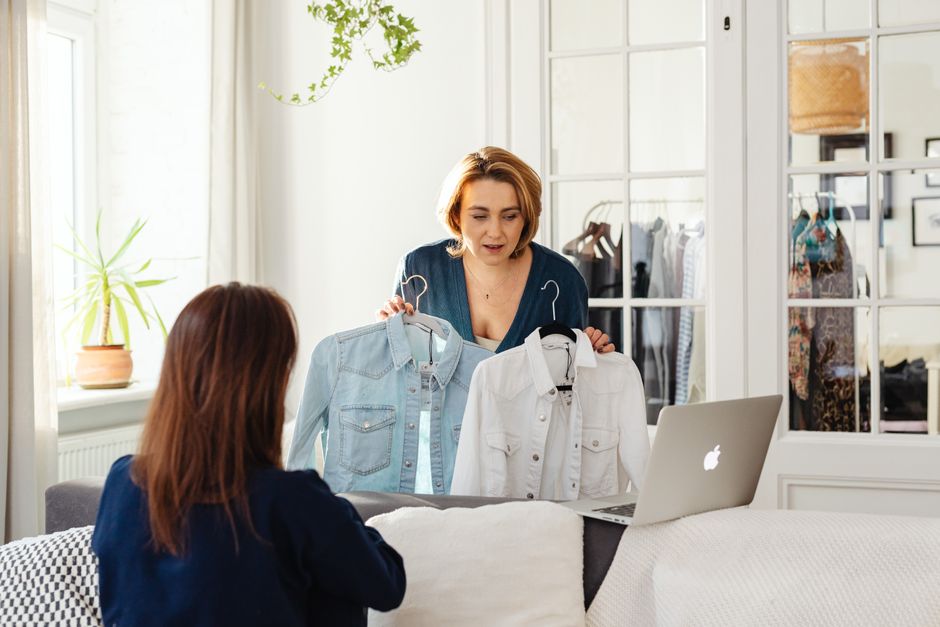

I stopped buying new clothes two years ago. Not for the planet, not for a trend — because I was tired of paying $80 for a shirt that fell apart after six washes. My wardrobe is now 100% secondhand. It took months to get right. Here’s exactly what worked, what didn’t, and the hard truths nobody tells you.
Why I Ditched Fast Fashion for Thrifted Clothes
Fast fashion is a bad deal. A $30 dress from a mall brand uses cheap polyester that pills, fades, and stretches out. Within three wears, it looks tired. You buy another. The cycle repeats.
Secondhand clothes from brands like Levi’s, Patagonia, or Carhartt cost the same or less — $15 to $40 — but last years. A vintage Levi’s 501 from the 90s? That denim is thicker, the stitching tighter, and the fit more consistent than anything made today.
The real reason I switched: value per wear. A thrifted wool blazer I paid $12 for has been worn 60+ times. That’s $0.20 per wear. A new blazer from Zara at $80? Maybe 15 wears before the lining rips. $5.33 per wear. The math is brutal.
Where to Actually Find Quality Secondhand Clothes
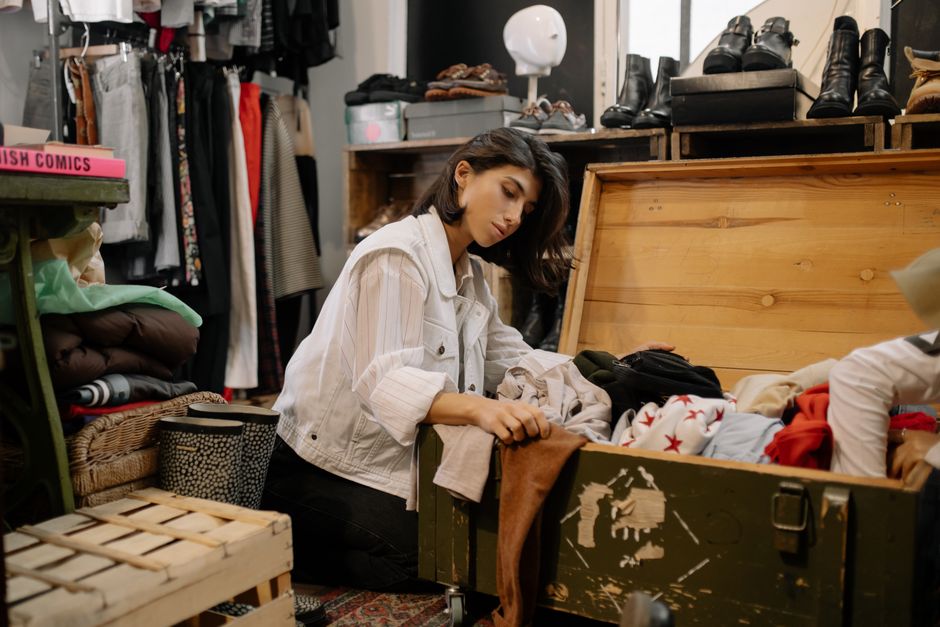
Not all thrift is equal. You need to match the platform to what you want.
ThredUp for Basics and Workwear
ThredUp is the largest online thrift store. Good for: cotton tees, blazers, trousers, cashmere sweaters. Bad for: trendy pieces, rare vintage, or anything you need to try on fast. They have a clean-out bag program where you send your own clothes for credit. I’ve sold 30 items there, made $140. Not great money, but better than a donation bin.
Filters by brand, size, and condition. I search for “Eileen Fisher” linen pants and “Theory” blazers. Both brands hold up. Prices range $8 to $50.
Depop for Streetwear and Vintage
Depop is where the vintage resellers live. Prices are higher — a Carhartt jacket can hit $100. But the curation is better. You find deadstock 90s Nike windbreakers, raw denim, and designer pieces at 70% off retail.
Warning: shipping costs add up. Many sellers charge $8–$12 for shipping. Factor that into your budget. I only buy from sellers with 4.8+ stars and clear measurements.
Vinted for Bargain Hunting
Vinted is the wild west. Prices are lowest — $3 for a Uniqlo shirt, $10 for a Patagonia fleece. Quality control is nonexistent. You’ll receive a shirt with a hole or a smell. But if you message the seller and ask for close-ups of the tags and seams, you avoid most problems.
Vinted’s shipping is usually $3–$5. I’ve bought 20+ items there. My best find: a barely-worn Patagonia Better Sweater for $18. Retail: $139.
| Platform | Best For | Price Range | Shipping Cost | Return Policy |
|---|---|---|---|---|
| ThredUp | Basics, workwear, cashmere | $8–$50 | $4–$7 | 14-day return (store credit only) |
| Depop | Vintage, streetwear, designer | $20–$150 | $8–$12 | Depends on seller (usually no returns) |
| Vinted | Budget finds, everyday brands | $3–$30 | $3–$5 | No returns (buyer protection for damage) |
| Local thrift stores | Furniture, denim, outerwear | $2–$20 | N/A | No returns |
The 3 Biggest Challenges (and How I Solved Them)
Thrifting isn’t all wins. Three problems almost made me quit.
Problem 1: Sizing Is a Nightmare
A vintage size 6 is not the same as a modern size 6. Brands change sizing every decade. A 90s Levi’s 501 in a 32 waist fits like a modern 33. A 2000s Ann Taylor blazer in size 8 fits like a modern 6.
Solution: I only buy from listings that include flat measurements — pit-to-pit, waist, inseam, shoulder width. If the seller doesn’t provide them, I ask. If they ignore, I move on. I also keep a note on my phone with my body measurements for reference.
Problem 2: Stains and Smells
Musty thrift store smell is real. So are mystery stains. I received a beautiful silk blouse that reeked of mothballs. Took three vinegar soaks and two washes to get it out.
Solution: I only buy items that can be washed at home. Dry-clean-only pieces are a risk. For stains, I check the armpits, collar, and cuffs — the three worst spots. If the stain is set-in (yellow or brown), I skip it. For fresh stains, a 30-minute soak in OxiClean + hot water removes 90% of them.
Problem 3: Decision Fatigue
Scrolling through 500 listings to find one good piece is exhausting. I spent three hours on Depop once and bought nothing.
Solution: I set a timer. 20 minutes per session. I use saved searches with brand + size + color (e.g., “Levi’s 501 women’s 28 waist dark wash”). I only look at the first 50 results. If nothing clicks, I close the app. Next week I try again.
How to Build a Cohesive Secondhand Wardrobe (Not a Closet of Random Stuff)
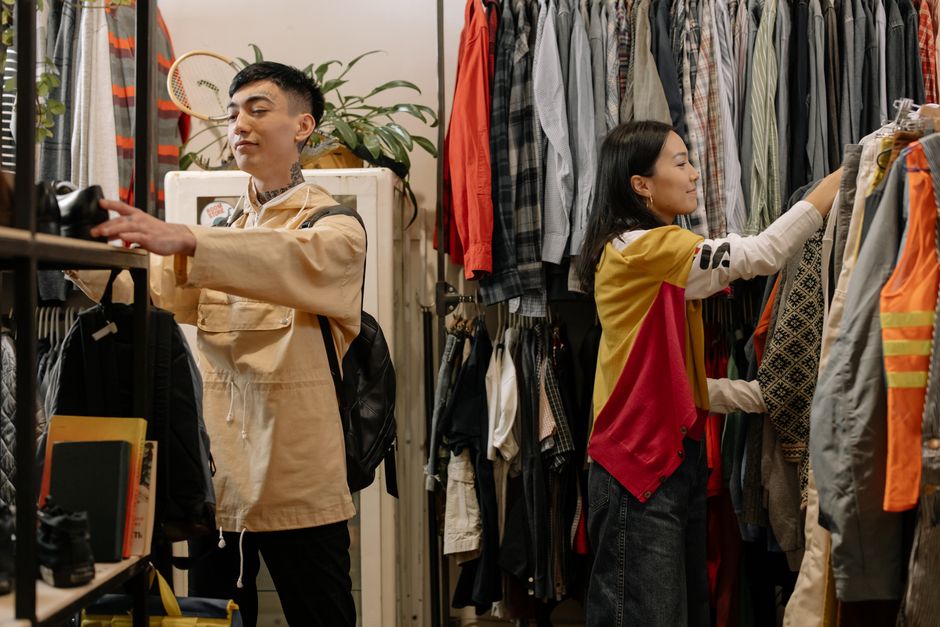
The biggest mistake new thrifters make: buying whatever looks cool alone, without thinking about how it works with the rest of their closet. You end up with a sequin top, a floral skirt, and a parka that don’t match anything.
I use a color palette. My wardrobe is 70% neutrals — black, cream, olive, navy, denim blue. The other 30% is accent colors I actually wear: rust red, mustard, forest green. Every new purchase has to work with at least three existing pieces.
I also focus on silhouette. I know I look good in high-waist wide-leg pants and cropped sweaters. So I only buy tops that hit at the waist and bottoms that sit high. A beautiful vintage dress that hits mid-calf and has a dropped waist? Pass. It doesn’t fit my body or my existing pieces.
My current wardrobe has 42 items (including shoes and outerwear). Everything fits everything. Getting dressed takes under two minutes.
When NOT to Buy Secondhand
Thrifting is not the answer for everything. Three categories I still buy new.
- Underwear and socks. Gross. Always buy new. I spend $12 on a 6-pack of Hanes cotton briefs and replace them every six months.
- White t-shirts. Used white tees are never truly white. They yellow, get dingy, or have deodorant stains that don’t wash out. I buy white tees new from Uniqlo ($15) and replace them every year.
- Running shoes. Used running shoes have compressed foam and lost support. You risk injury. I buy new Asics or New Balance on sale for $60–$80.
Everything else — jeans, blazers, sweaters, coats, dresses, bags, belts, scarves — I buy secondhand. The savings are real. A used Patagonia fleece ($25) performs exactly like a new one ($99).
The Real Financial Impact After 2 Years
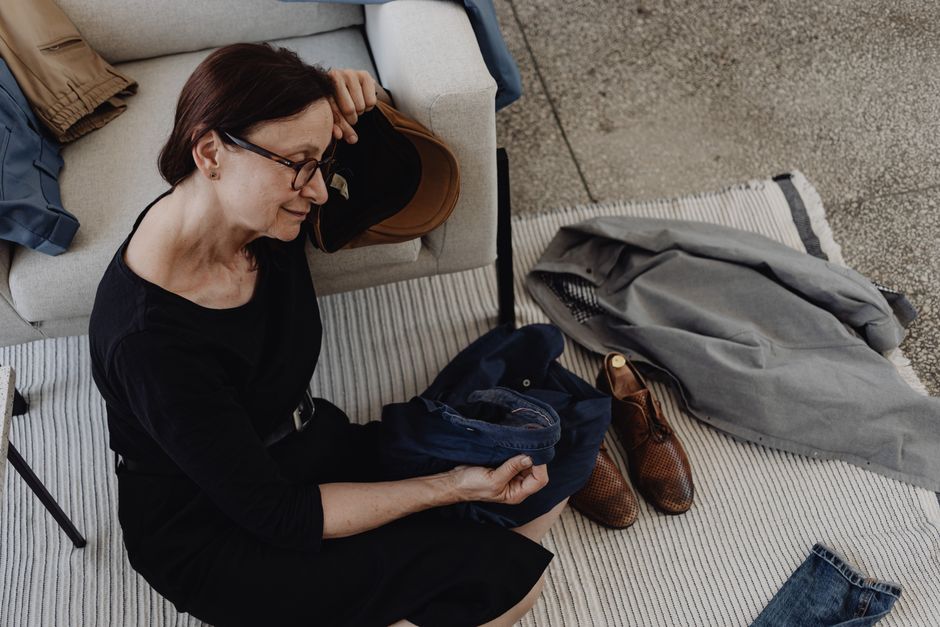
I tracked every clothing purchase for two years. Before going secondhand-only, I spent $1,200 per year on clothes. After switching, I spent $340 per year. That’s a savings of $860 annually.
And the quality is better. My thrifted wardrobe includes a Pendleton wool blazer ($18), a pair of 90s 501s ($22), a Brooks Brothers cashmere sweater ($15), and a vintage Coach leather bag ($35). All of those would cost over $1,500 new.
The only hidden cost: time. It takes about 30 minutes per week to browse and buy. But I replaced my mindless Instagram scrolling with that 30 minutes. Net positive.
One Rule That Changed Everything
Don’t buy it just because it’s cheap. A $5 shirt you never wear is a waste of $5. A $50 shirt you wear 100 times is a bargain.
Secondhand shopping rewards patience and discipline. The best find is the one you actually wear.