
The best spring makeup refresh is simple: use a thin, flexible base, keep coverage where you need it, and add cream blush high on the cheeks. This combination looks fresh in mild weather because it lets real skin show through without leaving the face bare. The right order matters more than owning a large collection.
Why a sheer base suits mild spring weather
Spring weather creates a tricky makeup problem. The air may feel cool in the morning, warm at lunch, and damp by late afternoon. A thick base can look smooth indoors, then separate around the nose or gather beside the mouth once the temperature rises. A sheer base uses less pigment and a lighter film, so it moves with the skin instead of sitting on top of it.
Light coverage solves a texture problem
Skin texture does not vanish when you add more makeup. Heavy layers can make pores, dry patches, and fine lines easier to see because pigment settles into them. Sheer coverage works from a better starting point: even the center of the face, then leave freckles and natural tone visible around the edges. Use concealer only on redness, blemishes, and the inner corners of the eyes. This keeps the total amount of makeup low while still making the face look rested.
Use daylight as your quality test
Check the base beside a window after five minutes of wear. If the finish still looks like skin from arm’s length, the coverage is working. If you can see a clear line at the jaw or a flat mask over the cheeks, remove some with a damp sponge. Mild spring days also call for less powder. Set only the sides of the nose, chin, and center forehead if those areas become shiny.
How to prep skin before a sheer base
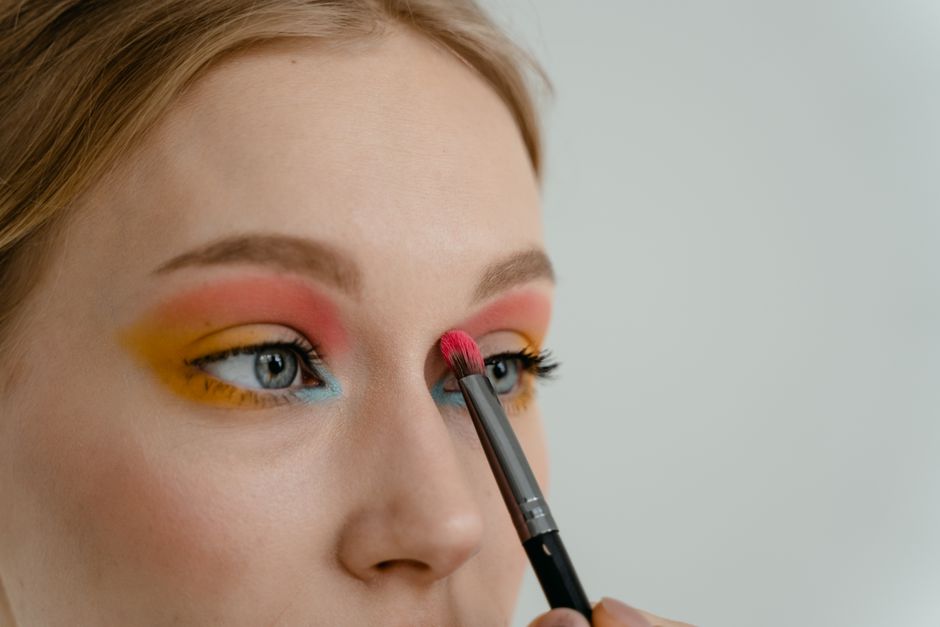
Prep controls how the base wears. The goal is not a ten-step routine. It is a clean, even surface with enough moisture to stop the tint from catching on dry skin.
A five-minute prep sequence
- Cleanse or rinse the face, then pat it dry. Do not scrub before makeup.
- Apply a light moisturizer, using about a pea-sized amount for the whole face.
- Wait two minutes so the moisturizer can settle instead of mixing into the tint.
- Apply broad-spectrum sunscreen as the final skincare step. Use the amount recommended on the label.
- Wait five to ten minutes, then press away excess shine with a tissue.
- Test one small area of base near the cheek before applying it everywhere.
Match the prep to your skin
Dry skin needs a comfortable moisturizer with humectants and emollients. Oily skin needs less product on the forehead and nose, not less moisture across the entire face. Sensitive skin benefits from a short routine with no new exfoliating acid on makeup day. If sunscreen pills under the base, use thinner layers and give each one more time to set. The best spring routine is the one that dries down evenly before color touches the skin.
Which sheer bases are worth choosing?
For most people, Tower 28 SunnyDays is the strongest starting point because it combines mineral SPF 30 with light-medium buildable coverage and a natural finish. Fenty Beauty Eaze Drop wins for humid commutes and combination skin because it is designed to resist sweat, humidity, and transfer.
Sheer base comparison
| Product | Price and size | Finish and coverage | Best use |
|---|---|---|---|
| Tower 28 SunnyDays SPF 30 | $32, 30 mL | Mineral SPF 30, light-medium buildable coverage, natural finish | Sensitive or problem-prone skin |
| Fenty Beauty Eaze Drop | $41, 32 mL | Light-medium coverage, blurred finish, 25 shades | Humidity and visible pores |
Pick Tower 28 for a skin-like finish
Tower 28 SunnyDays is the better choice for dry or sensitive skin when you want one product to even tone and add mineral sun protection. It comes in 17 flexible shades, so shade matching still needs care, especially around olive and deep undertones. SPF in makeup should not replace a full sunscreen layer. Use it as a complexion product with a useful bonus.
Pick Fenty for longer-looking wear
Fenty Eaze Drop costs more, but the 1.08 fl oz bottle gives you 32 mL and a wider 25-shade range. Its QuickBlur complex gives the skin a softened look without full foundation coverage. Choose it for a workday, warm train ride, or combination skin that needs a little more hold. Apply a few drops at a time; adding too much defeats the sheer effect.
How to apply cream blush without lifting the base

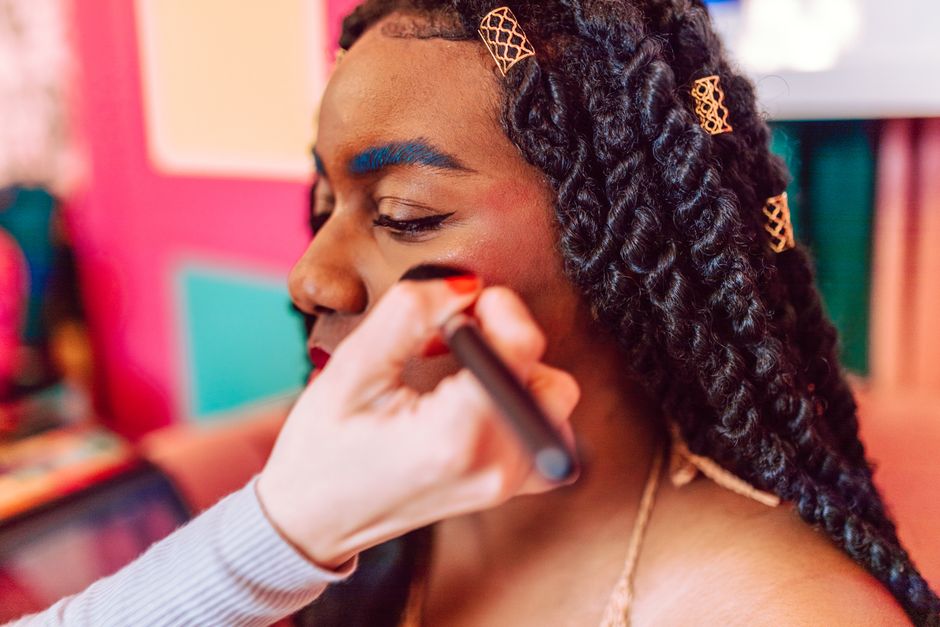
Apply cream blush after concealer and before powder. Pressing is the key motion. Rubbing can move a thin base and leave a bare patch underneath the color.
Place the color for a lifted spring look
Smile lightly, then place the first dot on the upper outer part of the cheek, about two finger widths from the nose. Blend toward the temple, not down toward the jaw. Keep the inner cheek mostly clear. This placement adds color without making the face look flushed across the center. Start with less pigment than you think you need. Cream formulas build quickly.
- Put one small dot on each cheek.
- Tap the edges with clean fingers or a dense synthetic brush.
- Use the leftover color across the bridge of the nose only if you want a sun-touched effect.
- Wait 30 seconds before adding a second layer.
- Set only the areas that crease or become oily.
Choose the right cream blush formula
MERIT Flush Balm is the best beginner option at $30 because its microfine pigments give a sheer, satin flush that is easy to soften. Saie Dew Blush costs $26 and has a 12 mL liquid-cream formula, so it suits anyone who wants a dewier finish and stronger color from a small amount. Milk Makeup Lip + Cheek costs $28 for an 8 g stick and offers up to eight hours of wear, making it the best pick for a long day. For the most natural first attempt, choose MERIT and apply it with fingers.
What usually goes wrong with spring makeup?
The biggest mistakes are easy to fix: too much skincare, too much base, and blush placed too low.
Why does the base separate around the nose?
Usually, the layers underneath are too rich or have not set. Remove excess moisturizer with tissue, wait longer after sunscreen, and apply the tint in a thin ring around the nose rather than starting with a heavy stripe. If the problem continues, choose Fenty Eaze Drop for its more transfer-resistant wear. Do not keep adding powder; that often turns separation into texture.
Why does cream blush look patchy?
Patchiness often comes from dragging a stick directly across unset base. Put the product on the back of your hand first, then tap it on with fingers or a brush. Powder underneath can also stop the cream from gripping evenly. Apply cream blush before powder, and use a second light layer instead of one thick swipe.
When should you skip cream blush?
Skip a dewy cream formula for a very hot outdoor event, a long performance, or skin that becomes oily within an hour. A finely milled powder blush will usually last longer in those conditions. For mild spring days, cream remains the better choice because it gives a softer edge and keeps the face from looking flat.
The simplest spring makeup refresh, compared

A successful spring routine needs three decisions: how much coverage you actually need, where your skin becomes shiny, and how long the color must last. My overall pick is Tower 28 SunnyDays for a natural everyday base and MERIT Flush Balm for the easiest cream blush application.
Best combinations by situation
| Situation | Base | Blush | Why it wins |
|---|---|---|---|
| Dry or sensitive skin | Tower 28 SunnyDays SPF 30 | MERIT Flush Balm | Natural finish with soft, buildable color |
| Humid commute | Fenty Beauty Eaze Drop | Milk Makeup Lip + Cheek | More hold without full coverage |
| Fresh, dewy weekend makeup | Tower 28 SunnyDays SPF 30 | Saie Dew Blush | Sheer complexion with a brighter cheek finish |
Final application order
Moisturizer, sunscreen, sheer base, targeted concealer, cream blush, then a small amount of powder where needed. Keep the rest of the face flexible. That order gives mild spring weather room to change without forcing the makeup to look heavy from the start.