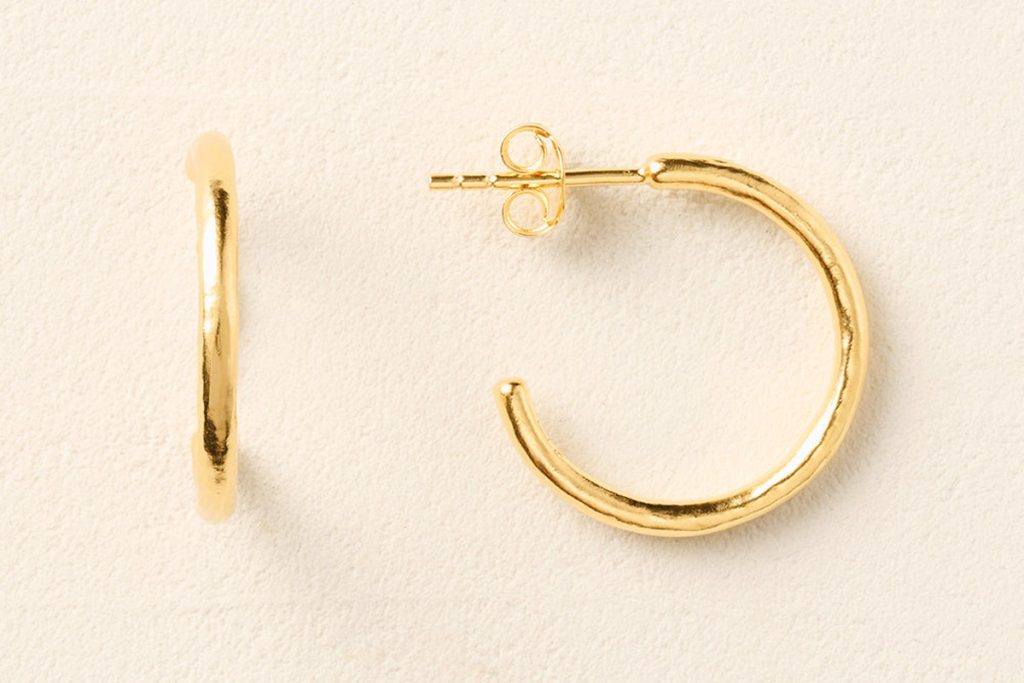

A short trip needs less jewellery than the packing list suggests. Four pieces can cover transit, daytime walking and dinner when each one changes the level of polish without demanding a different wardrobe.
Jewellery is easy to overpack because it occupies almost no visible space in the suitcase. A few extra pairs of earrings, two chains and several rings seem harmless. The problem appears at the destination: pieces tangle, backs go missing, and the small hotel dish becomes a confusing pile. Most of the options never leave the room, yet they still require attention every time the bag is opened.
A three-day city break usually contains three clothing moods rather than three complete wardrobes. There is the travel outfit, the long daytime stretch and one or two moments that ask for more polish. Four jewellery pieces can handle those shifts: a quiet stud, a compact cuff, an expressive earring and a ring. Agapée's current range offers useful examples because the pieces vary in scale without requiring a full matching set.
The packing method matters as much as the selection. Assign every piece a job before it enters the case, photograph the four together, and store them in the same order each night. The routine sounds fussy until the morning you do not have to search a carpet for an earring back before checkout.
Stop one: choose the piece you can forget you are wearing
The quiet stud is the foundation. It should work with headphones, a scarf, a hood and the kind of rushed breakfast where jewellery receives no attention. This is not necessarily the smallest earring you own, but it should have a secure fastening and a shape that does not catch every time a layer is removed.
Wear it during the journey rather than packing it. That removes one loose pair from the case and gives the travel outfit a finished point even when everything else is chosen for comfort. If the trip begins before dawn, put the earrings beside the keys the night before. A packing system succeeds when it reduces decisions at the least glamorous moment.
The stud can also stay in place for the first day. A museum, market and long lunch rarely need a jewellery change. Saving the expressive piece for evening makes it feel more intentional and avoids handling small objects in a public washroom or crowded train.
Stop two: let the cuff do the daytime work
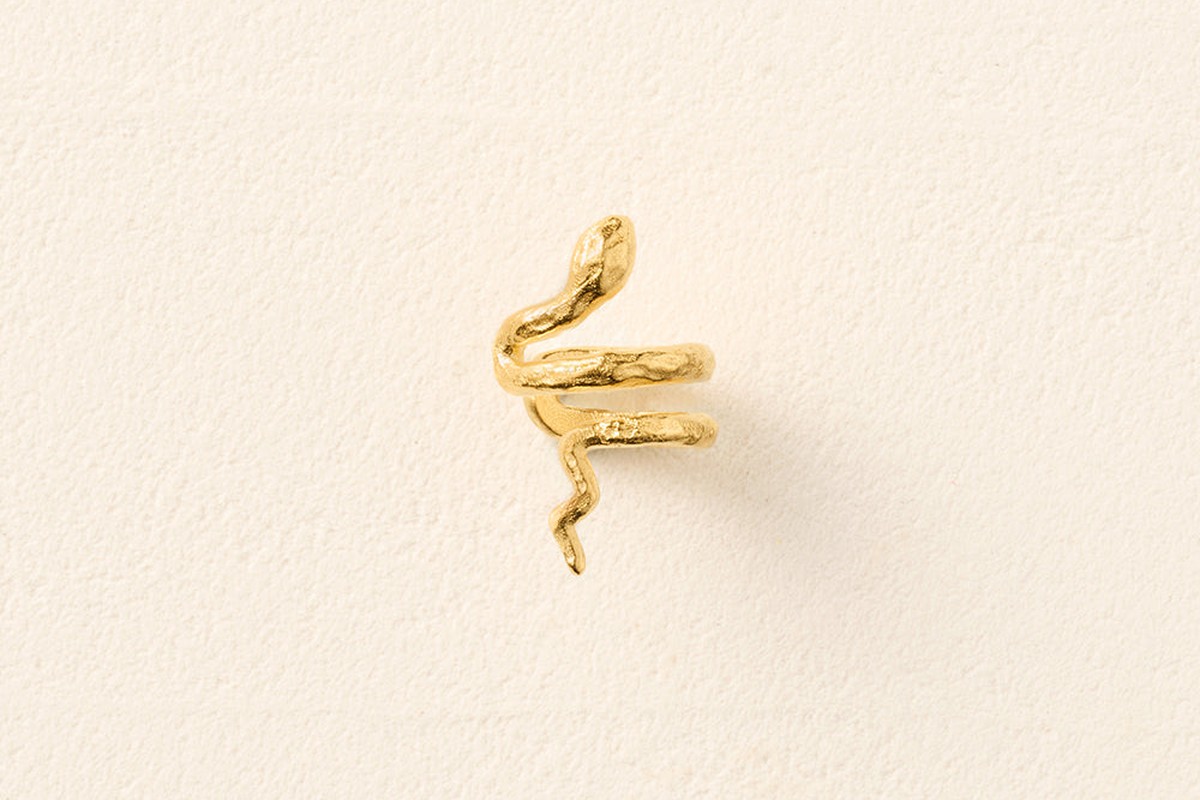
An ear cuff changes the silhouette without adding much weight or taking up case space. It is useful when the daytime outfit is being repeated with a different outer layer. Add it beside the quiet stud and the arrangement gains structure, while the shirt, knit or coat can remain the same.
Test the cuff before travelling. Wear it for several hours, check that it remains secure while walking, and notice whether glasses or sunglasses touch it. A piece that needs constant adjustment at home will become more irritating on a day organised around directions, tickets and changing weather.
Keep the cuff in its own small compartment when it is not being worn. Its compact shape makes it the easiest piece to lose in a large pouch. A tiny resealable sleeve or divided case is more useful than a beautiful soft bag in which every piece can move and meet the others.
Stop three: reserve one earring for the evening shift
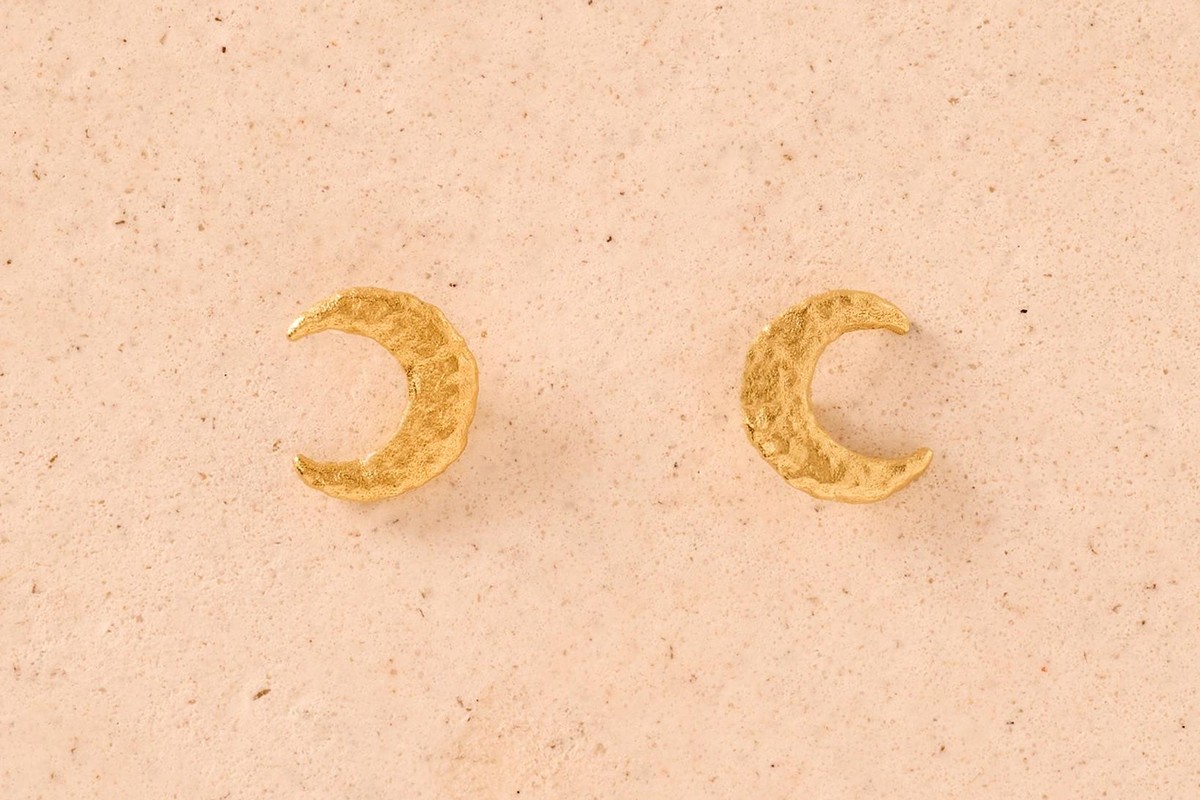
The expressive earring has one clear job: change the mood of the clothes already in the bag. A large sculptural pair can lift a plain knit, open shirt or simple dress without requiring a second evening outfit. This is where scale is helpful. If the shape is visibly different from the daytime stud, the change reads even when the colour palette remains the same.
Protect the pair from compression. Place each earring in a separate section so posts and surfaces do not rub together. Pack them near the centre of the bag rather than in an outside pocket, and avoid balancing heavier objects on the jewellery case. The item may be small, but it is not improved by being treated as empty-space filler.
At the hotel, change the earrings before doing hair or adding a scarf. That sequence keeps styling products away from the surface and prevents fabric from catching during the swap. The daytime studs go straight back into their assigned compartment instead of onto the nearest table.
Stop four: use a ring when the neckline stays the same
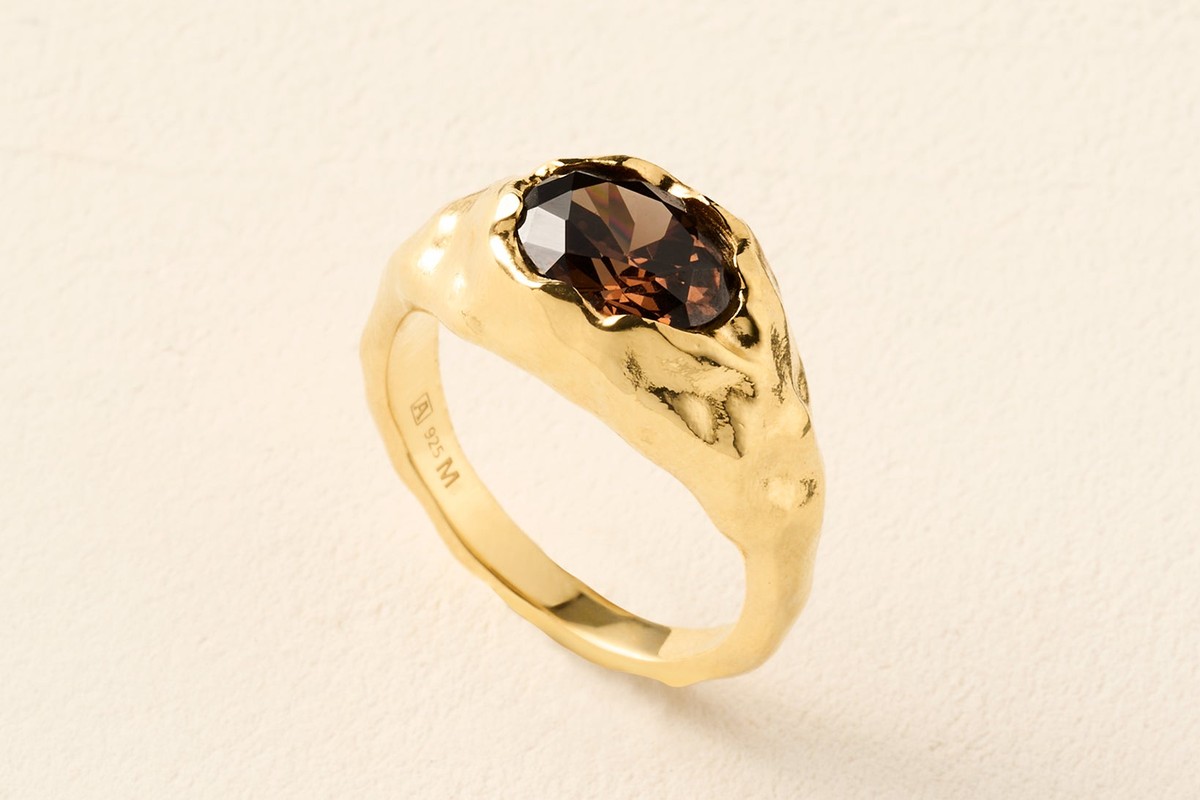
A ring is the fourth piece because it moves attention away from the face. On a short trip, the same top may appear twice: once under a coat and once at dinner. Adding another necklace can make the repetition more obvious if the neckline is unchanged. A ring alters the detail without framing the top in exactly the same way.
Choose a ring that is comfortable through temperature changes and ordinary travel tasks. Hands can feel different after a flight, a salty meal or a long day of walking. If a ring already fits tightly at home, it is not the sensible travel option. The right piece should remain secure without becoming the object you keep checking.
Wear the ring during the evening and return it to the same slot afterward. Avoid dropping it into a coat pocket while washing hands. Pockets feel safe in the moment and become unreliable as soon as the coat is moved, folded or sent through a cloakroom.
Run the hotel-room reset before bed
The reset takes less than a minute. Close the bathroom drain, remove the jewellery over a clear surface, wipe pieces gently if needed, and return each to its compartment. Count to four: studs, cuff, statement pair, ring. The photograph taken before departure provides a quick reference if something seems absent.
Keep the case in one location, ideally inside the zipped section of the main bag. A bedside table is convenient until room service, an early alarm or a pile of clothing changes the scene. The best storage place is not the prettiest; it is the place you will use without thinking every night.
On checkout morning, wear the quiet studs again and pack the remaining three pieces. The system closes in the same order it began. Nothing needs to be re-inventoried while the taxi is waiting, and the expressive pieces arrive home rather than becoming an expensive memory attached to the hotel.
Four pieces create enough change
A compact jewellery case works because the pieces have different roles, not because they form a perfect set. Quiet, structural, expressive and off-neckline details cover the real shifts of a short trip. More options usually add handling rather than better outfits.
Agapée's range makes it easy to compare those scales. Choose the versions that are comfortable on your body, test every fastening before departure, and keep the hotel-room routine as disciplined as the packing list.