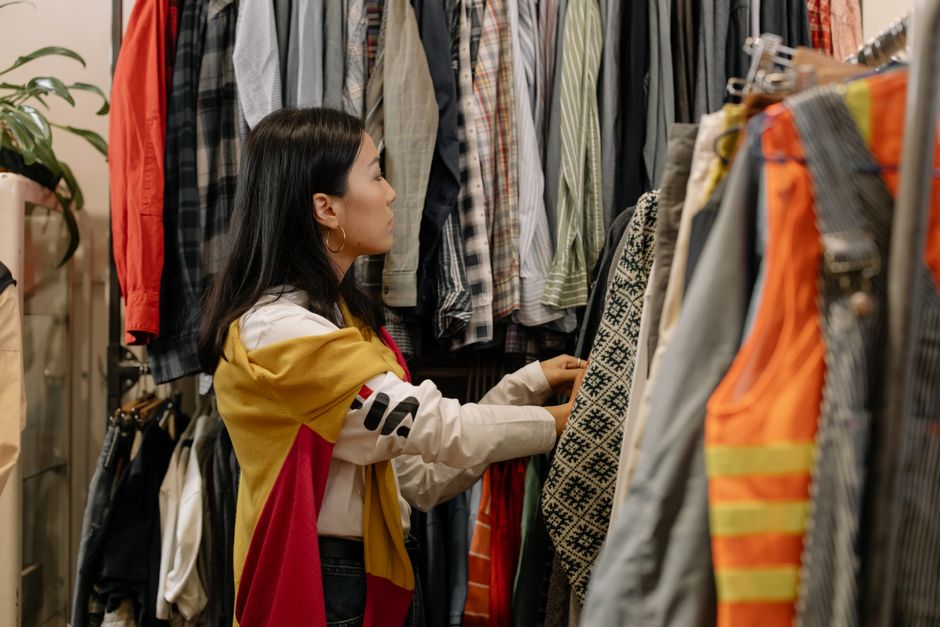

Did Thrifted Streetwear Actually Save Money?
The common idea is simple: secondhand clothes cost less, so a thrifted streetwear wardrobe must be cheap. My month proved that the first half is true and the second half needs a warning. A low sticker price does not help if the item sits unworn, needs repairs, or pushes you to buy three more pieces to make one outfit work.
The prices behind my month
| Item | Typical new price | Thrift or resale range | My verdict |
|---|---|---|---|
| Nike Air Force 1 ’07 | $115 | $35–$60 | Best shoe saving |
| Levi’s 550 jeans | $69 | $20–$35 | Best everyday value |
| Stüssy Stock Logo Hoodie | $130 | $45–$80 | Worth hunting |
| Carhartt WIP Detroit Jacket | $229 | $50–$90 | Best outerwear value |
| adidas Samba OG | $100 | $35–$70 | Check condition closely |
Across these pieces, the resale discount landed between roughly 30 and 75 percent. The Carhartt WIP Detroit Jacket created the biggest value gap, while the Nike Air Force 1 ’07 delivered the clearest cost-per-wear result because I used it four or five days each week.
Where the savings disappeared
I lost money on impulse buys. A faded graphic tee looked great under store lighting, but its neckline stretched after two washes. The $12 purchase became a reminder that thrifted streetwear only saves money when the garment earns repeated wears. My clear verdict: set a monthly budget, inspect every seam, and treat resale prices as a ceiling rather than an excuse to buy more.
Why Fit Mattered More Than the Brand
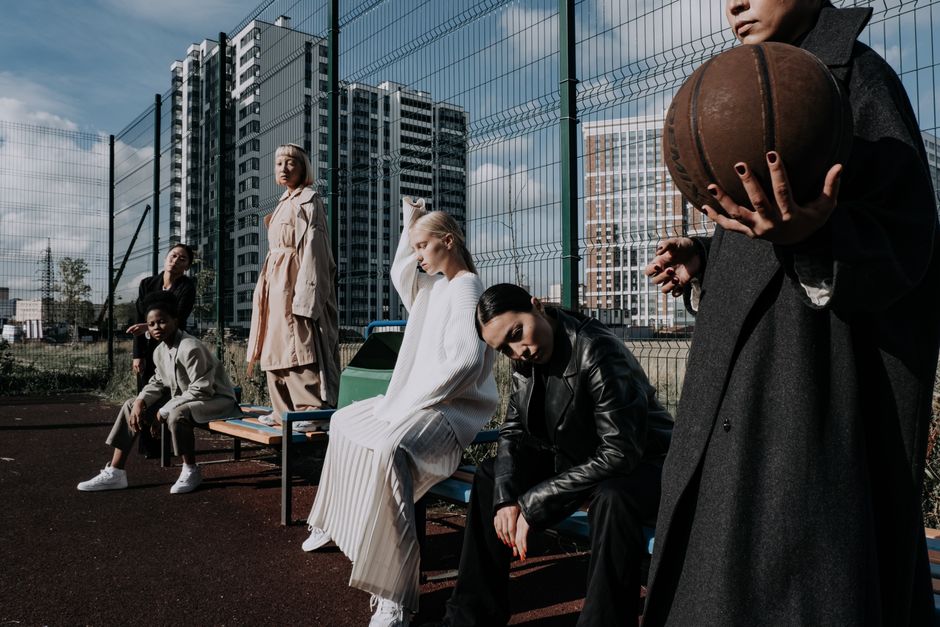
My strongest recommendation is to buy the right shape before the right label. Streetwear depends on proportion: the rise of the trousers, the width of the shoulder, the length of the hem, and the space around the shoe. A famous logo cannot fix a jacket that pulls across your back or jeans that bunch at the ankle.
Measure before leaving the changing room
For trousers, I checked the waistband, front rise, thigh width, and inseam. A useful starting point was a waistband that closed comfortably with one finger of room, a rise that did not cut into my stomach, and an inseam that broke once over the shoe. I also sat down. A pair that looked relaxed while standing often became tight across the thighs when I moved.
Build the silhouette from the shoes upward
I started with the shoe, then chose the trouser shape, then the top layer. Chunky sneakers worked with a wider hem; slimmer shoes needed a cleaner taper. An oversized hoodie looked intentional with straight-leg jeans but sloppy with very wide trousers and a long jacket. The winning rule was one loose element per outfit, sometimes two when the fabrics had clear contrast. For fit, texture, and proportion, the unbranded piece won more often than the famous one.
How I Built Outfits Without Buying More
The month became easier once I stopped treating every thrift find as a complete outfit. I used a small rotation and repeated formulas on purpose.
- Choose one anchor: Start with a jacket, unusual trouser, graphic tee, or bright shoe. The anchor gets the visual attention.
- Add one quiet base: Use a plain white tee, black sweatshirt, washed denim, or simple long-sleeve top. The base should support the anchor instead of competing with it.
- Repeat a color twice: If the jacket has green stitching, echo green in a cap, sock, or small bag. This makes mixed secondhand pieces look connected.
- Keep the footwear honest: Clean shoes can make thrifted clothes look sharper, but heavily worn soles can ruin the balance of an otherwise strong outfit.
- Photograph the result: A quick mirror photo showed problems I missed in the fitting room, especially long hems and crowded layers.
The three-item rule
Most successful looks used three visible decisions: a relaxed bottom, a distinct top layer, and a recognizable shoe. Adding a fourth statement piece usually made the outfit noisy. This rule also reduced shopping pressure because I knew exactly which gap I was trying to fill.
The stop rule
I left the shop when I already owned two ways to wear an item. If I could imagine only one outfit, the piece stayed behind. That single test prevented more bad purchases than any trend report.
Which Thrifted Pieces Held Up Best?
The best buys were not always the most stylish on the rack. They were the pieces that survived movement, washing, and repeated combinations.
Did branded clothing perform better?
Sometimes, but not automatically. The Stüssy Stock Logo Hoodie had dense fabric, even stitching, and ribbing that recovered after washing, so its $58 resale price felt fair. A no-name heavyweight hoodie at $18 could also perform well when the cuffs and shoulder seams looked fresh. My winner for cold-weather streetwear was the Stüssy piece, but only after checking the inside label and fabric weight.
What failed first?
Shoes needed the closest inspection. The adidas Samba OG looked nearly new until I noticed a separating sole near the toe. The Nike Air Force 1 ’07 held up better because its leather upper wiped clean and its sole still had even wear. I skipped cracked faux leather, stretched collars, missing care labels, and jeans with thin inner thighs. Those flaws rarely improve at home.
Was the expensive resale item worth it?
Yes, in one case. The Carhartt WIP Detroit Jacket cost $78, but its sturdy canvas, boxy cut, and roomy sleeves made it the most useful layer of the month. I would buy it again before four cheaper jackets that each solve only one outfit problem.
The Hidden Work Behind a Thrifted Streetwear Wardrobe
Thrifting replaces money with time, judgment, and uncertainty. That trade is easy to ignore when a rack displays a $10 sweatshirt, but the real process includes transport, searching, fitting, cleaning, repairs, and the chance of leaving empty-handed. The month worked because I counted that work as part of the purchase.
Why the search takes longer
New retail organizes clothes by size, collection, and category. Thrift stores mix decades, cuts, fabrics, and conditions on one rail. A medium may fit like a current small, while a vintage large may have a narrow chest and short sleeves. I checked measurements instead of trusting the tag. I also searched the men’s, women’s, outerwear, athletic, and workwear sections because streetwear does not belong to one department.
The best method was a two-pass visit. On the first pass, I looked for color, fabric, and shape without trying anything on. On the second, I tested only pieces that matched a real wardrobe gap. This cut down on emotional purchases and left enough time to inspect seams, stains, odor, zippers, elastic, and pockets.
How to price the time and repairs
A $9 jacket needing $35 in tailoring is not a $9 jacket. A hoodie that must be dry-cleaned before the first wear carries another cost. I used a simple ceiling: expected thrift price plus cleaning or repair had to stay below 70 percent of a comparable new item, unless the garment offered a rare fabric or exceptional fit. I also avoided pieces that needed specialist work, such as damaged waterproof coatings or badly altered shoulders.
This approach exposed the main tradeoff. Thrifted streetwear can reduce textile waste and stretch a clothing budget, but it does not remove consumption. Buying five questionable pieces creates more waste than buying one durable jacket and wearing it often. The best choice was the item that solved a repeated outfit need with the least extra work.
Would I Wear Only Thrifted Streetwear Again?
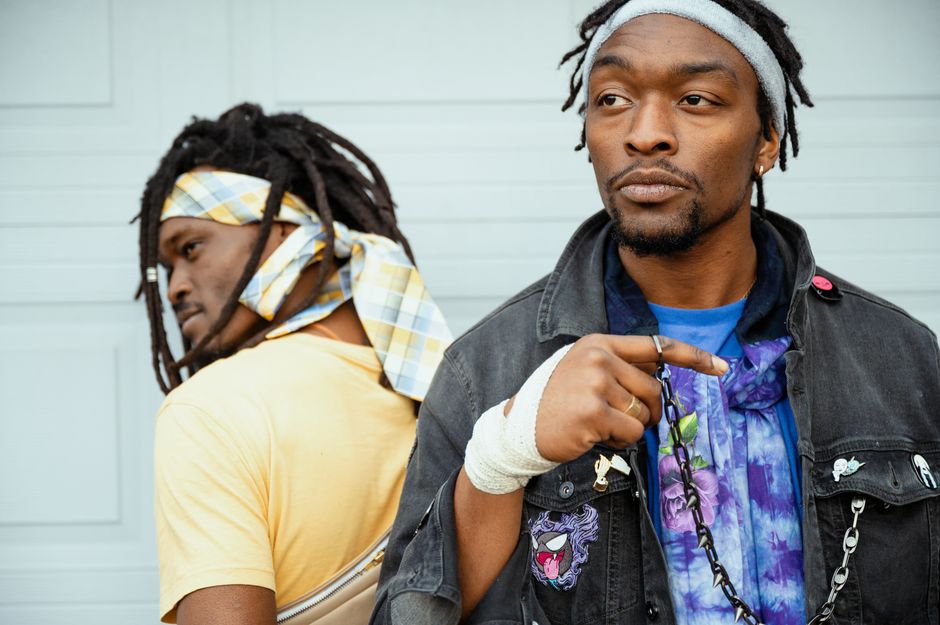
Yes, but I would not repeat the month as a strict shopping challenge. The restriction helped me notice what I actually wore: relaxed jeans, practical jackets, plain tees, and comfortable shoes. It also showed that a wardrobe built around rare finds can become frustrating when the basics wear out or a specific size never appears.
My winners by use case
- Best everyday foundation: Levi’s 550 jeans, because the relaxed leg worked with sneakers, boots, and short jackets.
- Best statement layer: Carhartt WIP Detroit Jacket, because its boxy shape added structure without complicated styling.
- Best logo piece: Stüssy Stock Logo Hoodie, because the branding stayed recognizable without dominating every outfit.
- Best practical sneaker: Nike Air Force 1 ’07, because the leather upper cleaned easily and the resale price stayed reasonable.
- Piece I would skip without a full inspection: adidas Samba OG, because sole separation can hide beneath an attractive upper.
When thrifted streetwear is the wrong choice
Skip the hunt when you need a uniform by a fixed date, require consistent sizing, or need technical performance such as waterproofing, certified protective materials, or guaranteed support. Buy new for those jobs. For style pieces, though, secondhand shopping gave me more personality, lower prices, and better lessons about fit than another quick online order would have offered.
Thrifted streetwear works best when you shop for fit and fabric first, then let the label and the trend come second.